HomeNext Gen IT-InfraMonitoring & ManagementCyber SecurityBCP / DRAutomationDecoded
Next Gen IT-Infra
Cato’s SASE Supports Cybersecurity Skills Development

How Cato’s SASE Supports Cybersecurity Skills Development

🕓 April 8, 2025

How SASE Supports the Security Needs of SMBs

How SASE Supports the Security Needs of SMBs

🕓 February 9, 2025

Attack Surface Reduction with Cato’s SASE

Attack Surface Reduction with Cato’s SASE

🕓 February 10, 2025

SASE for Digital Transformation in UAE

SASE for Digital Transformation in UAE

🕓 February 8, 2025

Monitoring & Management
Understanding Atera’s SLA Management

Understanding Atera’s SLA Management

🕓 February 7, 2025

Cost-Performance Ratio: Finding the Right Balance in IT Management Networks

Cost-Performance Ratio: Finding the Right Balance in IT Management Networks

🕓 June 16, 2025

Customizing Atera with APIs

Customizing Atera with APIs

🕓 March 3, 2025

Power Up Your IT Team’s Strategy with Atera’s Communication Tools

Power Up Your IT Team’s Strategy with Atera’s Communication Tools

🕓 February 8, 2025

Cyber Security
Visual guide showing Cato CMA interface for configuring Internet and WAN firewall rules, enabling threat protection, and monitoring security events in real time for UAE IT teams.

Enforcing Firewall and Threat Protection Policies in Cato

🕓 July 25, 2025

Isometric illustration of professionals managing network performance, bandwidth analytics, and cloud-based optimization around the Cato Networks platform, symbolizing bandwidth control and QoS visibility.

Mastering Bandwidth Control and QoS in Cato Networks

🕓 July 26, 2025

Illustration of the Cato Cloud architecture showing its role in delivering SASE for secure, optimized global connectivity.

Understanding the Cato Cloud and Its Role in SASE

🕓 January 29, 2025

Global network backbone powering Cato SASE solution for secure, high-performance connectivity across regions.

Global Backbone: The Engine Powering Cato’s SASE Solution

🕓 January 30, 2025

BCP / DR
Illustration showing diverse business and IT professionals collaborating with cloud, backup, and security icons, representing Vembu use cases for SMBs, MSPs, and IT teams.

Who Uses Vembu? Real-World Use Cases for SMBs, MSPs & IT Teams

🕓 July 12, 2025

Graphic showcasing Vembu’s all-in-one backup and disaster recovery platform with icons for cloud, data protection, and business continuity for IT teams and SMBs.

What Is Vembu? A Deep Dive Into the All in One Backup & Disaster Recovery Platform

🕓 July 6, 2025

Illustration showing Vembu backup and disaster recovery system with cloud storage, server racks, analytics dashboard, and IT professionals managing data.

The Rising Cost of Data Loss: Why Backup Is No Longer Optional?

🕓 August 14, 2025

3D isometric illustration of cloud backup and data recovery infrastructure with laptop, data center stack, and digital business icons — FSD Tech

RPO & RTO: The Heart of Business Continuity

🕓 August 15, 2025

Automation
Cross-Functional Collaboration with ClickUp

Fostering Cross-Functional Collaboration with ClickUp for Multi-Departmental Projects

🕓 February 11, 2025

ClickUp Project Reporting

Revolutionizing Enterprise Reporting with ClickUp’s Advanced Analytics and Dashboards

🕓 June 16, 2025

ClickUp’s Design Collaboration and Asset Management Tools

Empowering Creative Teams with ClickUp’s Design Collaboration and Asset Management Tools

🕓 February 26, 2025

ClickUp Communication and Collaboration Tools

ClickUp Communication and Collaboration Tools: Empowering Remote Teams

🕓 March 12, 2025

Decoded
Multi-Factor Authentication (MFA)

Multi-Factor Authentication (MFA): All You Need to Know

🕓 December 7, 2025

L3 Switch

What Is an L3 Switch? L2 vs L3 & Why You Need Layer 3?

🕓 December 8, 2025

IPSec

IPSec Explained: Protocols, Modes, IKE & VPN Security

🕓 December 3, 2025

 Datagram Transport Layer Security (DTLS)

What is Datagram Transport Layer Security (DTLS)? How it works?

🕓 December 4, 2025

    Subscribe to our newsletter!

    About Us

    Follow Us

    Copyright © 2024 | Powered by 

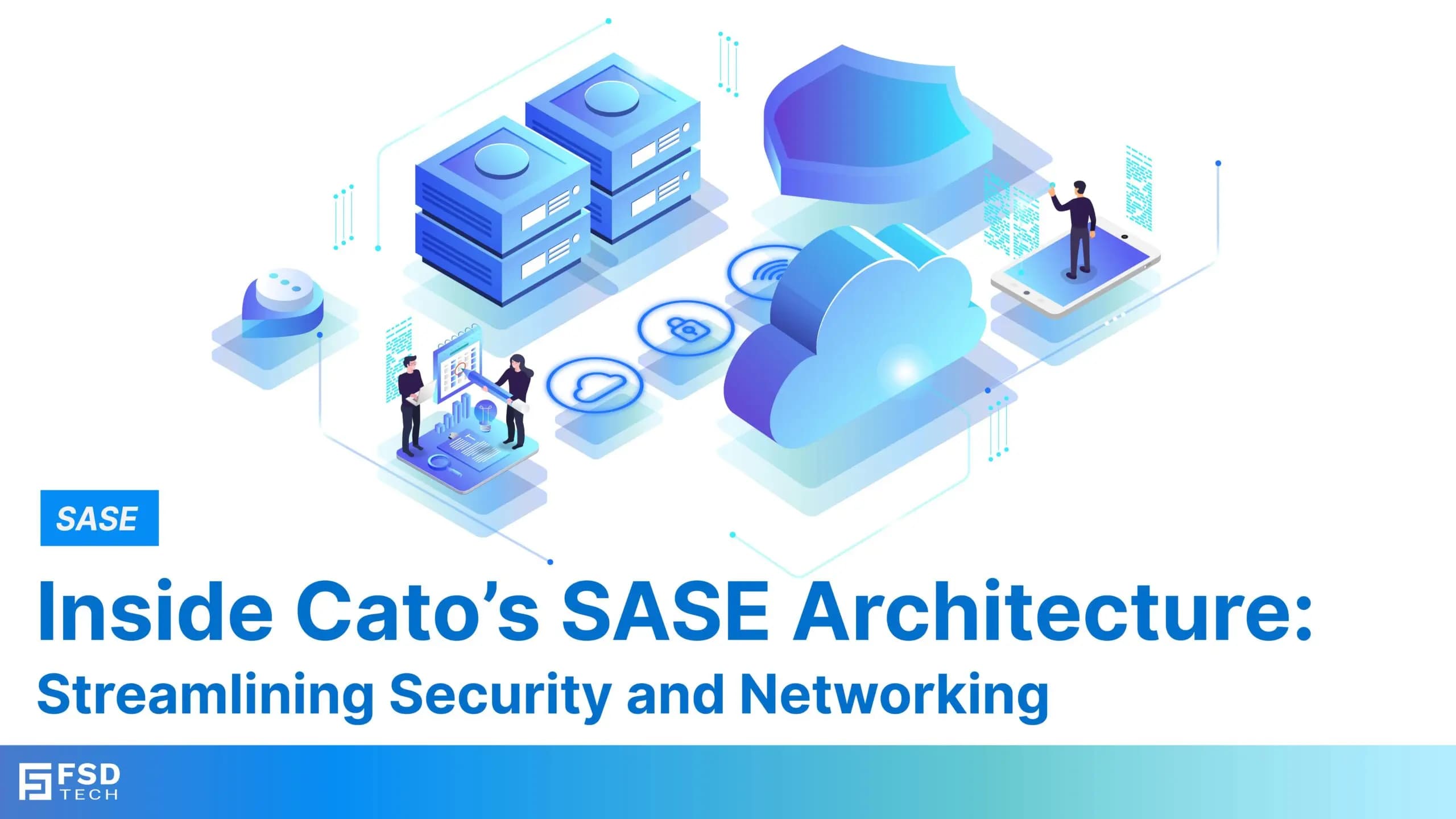
    Cato SASE Architecture

    Inside Cato’s SASE Architecture: A Blueprint for Modern Security

    🕓 January 26, 2025

    Enterprise Data Security and Privacy with ClickUp

    Ensuring Enterprise Data Security and Privacy with ClickUp

    🕓 February 9, 2025

    DDoS protection SASE

    DDoS Protection and Cato’s Defence Mechanisms

    🕓 February 11, 2025

    Table of Contents

    What Is Endpoint Detection & Response (EDR) in Cybersecurity?

    Surbhi Suhane
    December 23, 2025
    Comments
    Endpoint Detection & Response (EDR)

    Endpoint Detection and Response (EDR) is a cybersecurity technology that continuously monitors endpoint devices, such as laptops, desktops, servers, and mobile or IoT devices, to detect, investigate, and respond to malicious or suspicious activity in real time. 


    It goes beyond traditional antivirus by using analytics, behavioral monitoring, and automation to identify both known and unknown threats and contain them before they spread across the network.
     

     Every business uses devices like laptops, desktop computers, servers, and mobile phones. These devices, known as endpoints, are often the easiest targets for cyber attackers. You need a strong defense, especially where your data lives and your team works every day.


    In this section, we will explore what EDR means, why it is essential, and how it protects your valuable digital assets. Are traditional security tools enough for today's threats? Many organizations are finding the answer is no.


    What is Endpoint Detection and Response Meaning?

    The phrase endpoint detection and response meaning is simple. It refers to a security technology that continuously monitors end-user devices (endpoints) to detect and respond to cyber threats, both known and unknown.
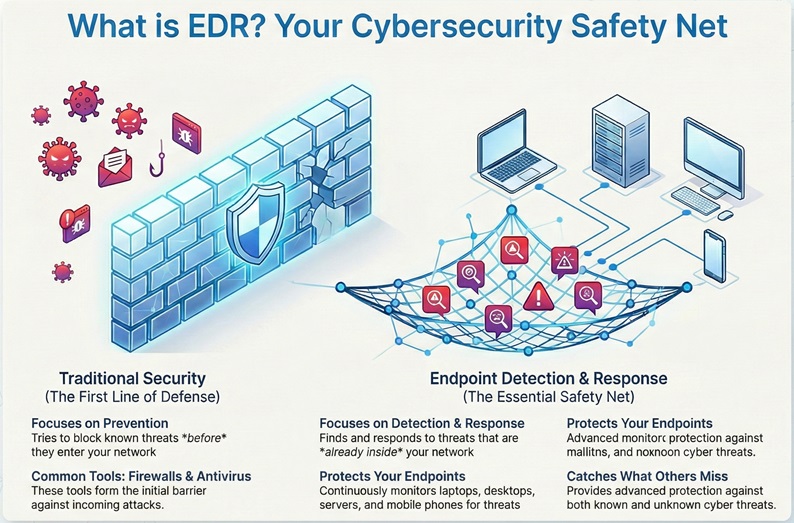
     

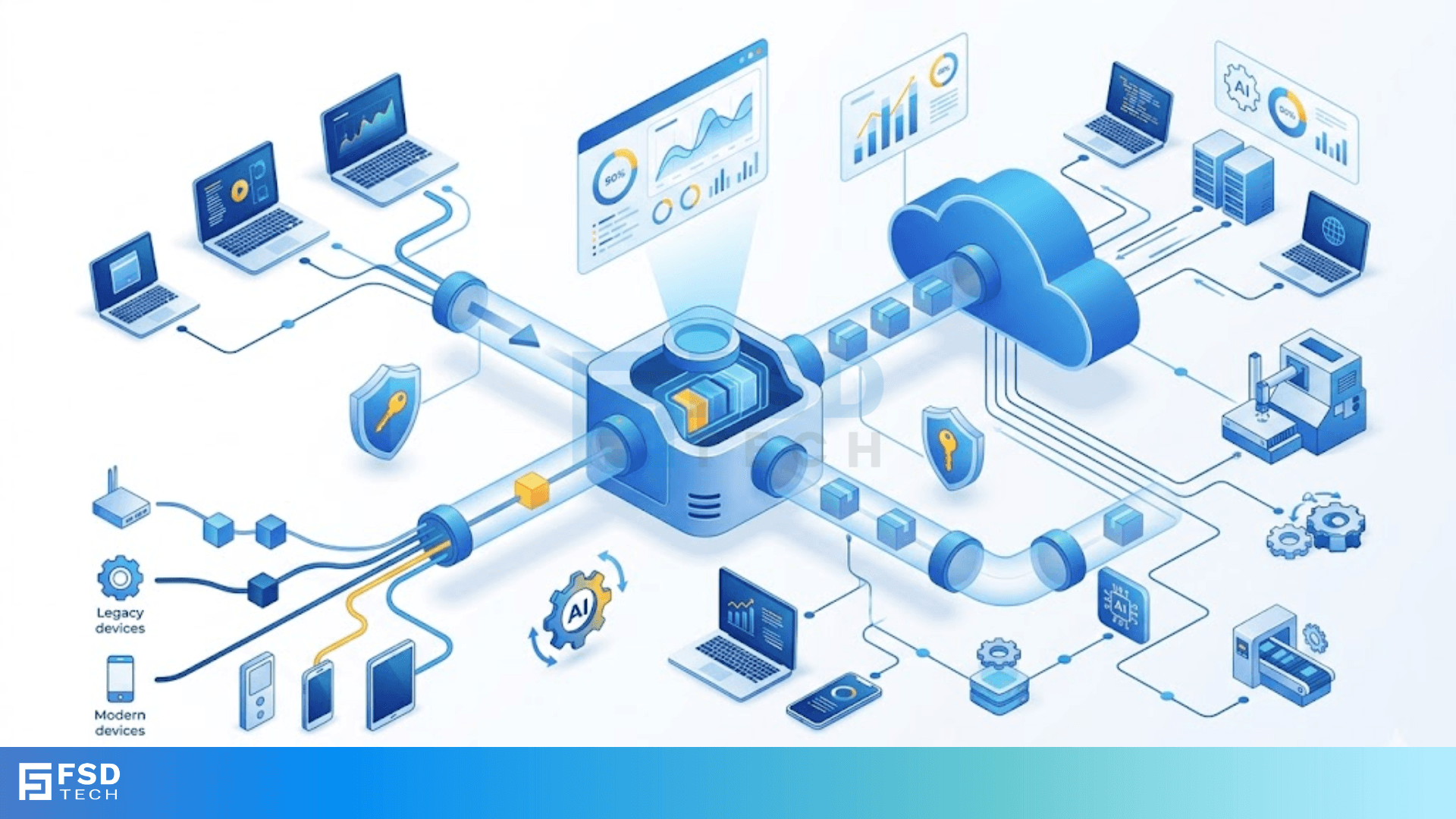
    EDR infographic


    EDR can be understood as an advanced security solution that works after a threat gets past your basic firewall or antivirus program. While traditional security tries to block threats before they enter, EDR systems focus on finding threats that are already inside your network. This means EDR is the essential safety net for your digital world.


    Deploy EDR Protection Now


    How Does Endpoint Detection and Response Work?

    Understanding how does endpoint detection and response work reveals its power. The entire system focuses on collecting and analyzing data from your endpoints.


    1. The EDR Agent Collects Data

    First, you install small pieces of endpoint detection and response software, often called agents, on every device. This agent constantly monitors everything happening on the device.


    • Activities it monitors include process execution, file system changes, network connections, and user login activity.
    • The EDR agent collects this vast amount of activity data, then sends it to a central management system or cloud service.


    2. EDR Analyzes the Information

    The central EDR system receives the raw data. It then uses advanced analytics and machine learning to quickly examine the information. This analysis process looks for any suspicious activity.


    • Behavioral Analysis: This is crucial. The EDR system establishes a baseline of "normal" behavior for your devices. If a program suddenly tries to access a sensitive file it never touches, the system flags that change.
    • Threat Intelligence: EDR technology constantly compares the activity data against global threat intelligence feeds. If it sees a pattern matching a recent attack that hit another company, it alerts your team immediately.


    3. Endpoint Detection and Response Reacts

    When the EDR system detects a potential threat, it automatically or manually executes a response. This action is swift so as to minimize damage.


    • Isolation: The EDR system can isolate the affected device from the rest of your network. This means the threat cannot spread to other computers or servers.
    • Containment: The system can stop malicious processes or delete harmful files.
    • Investigation: It also provides security teams with a clear, detailed picture of the attack's timeline and root cause. This information helps your team understand what happened.


    Also Read: Cyber Threat Intelligence (CTI) in Cybersecurity


    Why You Need an Endpoint Detection and Response Solution?

    With the emergence of increasingly sophisticated attacks, a traditional antivirus program is no longer enough. You need an endpoint detection and response solution that provides continuous, deep monitoring.


     Rise of Fileless and Zero-Day Attacks

    Cybercriminals now use new attack methods. Many threats are fileless, meaning they do not drop a malicious file that an old antivirus can spot. Instead, they use legitimate software tools already on your computer.

    • Why EDR helps: EDR focuses on the behavior—what the program is doing—rather than just the file's signature. This is vital for catching these modern, stealthy threats.
    • Zero-Day Threats: These are brand-new vulnerabilities that developers do not yet know about. Since no signature exists, only EDR’s behavioral analysis can spot the resulting suspicious activity.


    Continuous Visibility and Context

    Endpoint detection and response cybersecurity gives your security team complete visibility. They can see what happened before, during, and after a security event.

    • Full Picture: EDR collects data continuously. This is nothing but a complete audit trail that tells the whole story of an attack.
    • In-Depth Context: Knowing that a file was deleted is one thing. Knowing which user deleted it, what program ran before the deletion, and which server the user connected to right after provides the necessary context.


    EDR vs. Traditional Antivirus (AV)

    While both tools focus on endpoint protection, their approaches and capabilities differ significantly. Let us now discuss the key differences.


    Basis for ComparisonTraditional Antivirus (AV)Endpoint Detection and Response (EDR)
    Primary GoalPrevent known malware infections.Detect and contain unknown, advanced, and persistent threats (APTs).
    Detection MethodSignature-based matching. It looks for known threat "fingerprints."Behavioral analysis, machine learning, and threat intelligence.
    FocusPrevention before a file executes.Detection and response after a threat enters or executes.
    Data CollectionMinimal; often logs only blocked events.Continuous recording and centralized storage of all endpoint activity.
    Response CapabilityQuarantining or deleting a file.Isolation, process termination, full investigation, and threat hunting.
    Level of VisibilityLow; you see what was blocked.High; you see all activity across the entire network.
    Best ForBlocking high-volume, common malware.Combating sophisticated, fileless, and targeted attacks.


    Traditional AV only blocks known threats, leaving you vulnerable. In contrast, EDR is the security layer that assumes a breach will happen and prepares to find and stop it quickly.


    Also Read: What is Next-Gen Antivirus (NGAV)? UAE/GCC Trends & Protection


    Essential Components of EDR Systems

    An effective endpoint detection and response EDR system is made up of several key parts that work together to protect you.


    1. Data Aggregation and Central Storage

    The system collects massive amounts of telemetry data from all your endpoints. This data is nothing but a record of every action on every device.


    • Central Repository: All data streams into a central repository. This ensures that a security analyst can search across the entire organization for signs of an attack.
    • Fast Searching: The repository must be highly performant. This allows your security team to look for suspicious patterns instantly.


    2. Advanced Analytics and Threat Scoring

    This component acts as the brain of the EDR solution. It analyzes the aggregated data.


    • Alert Generation: When activity matches a known bad behavior or deviates significantly from the norm, the system generates an alert.
    • Prioritization: It uses risk scoring to determine which alerts require immediate attention. This is vital so as to prevent your team from suffering alert fatigue.


    3. Automated Response and Containment

    The response component determines the actions the system takes when it detects a threat. These actions are often automated.


    • Threat Containment: For instance, if the EDR solution detects a ransomware attack starting on a laptop, it can automatically cut off that laptop's network connection.
    • Rollback: Some endpoint detection and response software offers the ability to roll back a device to a pre-infection state. This reduces the time needed for recovery.


    4. Threat Hunting and Forensics

    EDR does not just wait for alerts. It provides the tools your security team needs to actively look for threats—a process called threat hunting.


    • Proactive Search: Security analysts use the EDR data to ask specific questions, such as, "Has any user downloaded a .ps1 script from a suspicious IP address this week?"
    • Forensics: When an incident occurs, the EDR system's comprehensive data allows for a full digital forensic investigation. This helps determine the source of the breach.


    Also Read: Spear Phishing: Learn About #1 CEO fraud


    Role of Endpoint Detection and Response Cybersecurity in Security

    EDR plays a vital role in your overall security posture. It helps you shift from a reactive stance to a proactive one.


    Improved Incident Response

    When an attack occurs, time is critical. EDR reduces the time it takes to detect and contain a breach. This, consequently, reduces the potential financial and reputational damage.


    • Better Data: The quality of the data EDR provides allows for faster and more accurate decision-making by your incident response team.
    • Reduced Manual Work: Automated responses and comprehensive data collection reduce the need for security staff to manually investigate every single device.


    Compliance and Auditing

    Many regulatory frameworks, such as GDPR and HIPAA, necessitate continuous monitoring and clear audit trails.


    • Audit Trail: The continuous log of activity generated by EDR systems serves as an essential audit trail. This helps you demonstrate compliance with various regulations.
    • Data Security: By protecting endpoints, EDR ensures that sensitive customer and company data remains secure, which is a core requirement of modern compliance.


    How EDR Differs from Traditional Security Tools

    You might ask, What is the difference between EDR and next-gen antivirus (NGAV)? This is a great question.


    While Next-Generation Antivirus (NGAV) uses machine learning to improve prevention, it is still primarily a prevention tool. It tries to block the malicious file before it runs. EDR, on the other hand, is a detection and response tool. It focuses on the continuous monitoring and analysis of activity after a file may have executed.


    A complete endpoint detection and response solution often includes the functionalities of NGAV. We can say that EDR encompasses or integrates NGAV features to provide a full-spectrum defense.


    Implementing an EDR Solution for Your Business

    When considering an endpoint detection and response solution, you must plan carefully.


    Key Steps for Implementation

    1. Assessment: First, evaluate your current security tools and identify your biggest gaps. What type of attacks worry you most?
    2. Pilot Deployment: Begin with a small pilot program. Install the EDR software on a limited number of devices. This allows you to fine-tune the settings and understand the platform's alerts.
    3. Full Deployment: Once you are comfortable, deploy the EDR agents across all your endpoints.
    4. Integration:Integrate the EDR with your existing security tools, such as your firewall or Security Information and Event Management (SIEM) system. This ensures a unified security view.


    Conclusion

    You understand now that a modern, aggressive cyber defense requires EDR. It is time to stop worrying about what might happen and start using a solution that tells you exactly what is happening. Your business deserves this level of protection. 


    Contact our experts today to explore the right endpoint detection and response cybersecurity solution that fits your specific needs and ensures your business remains secure and operational.
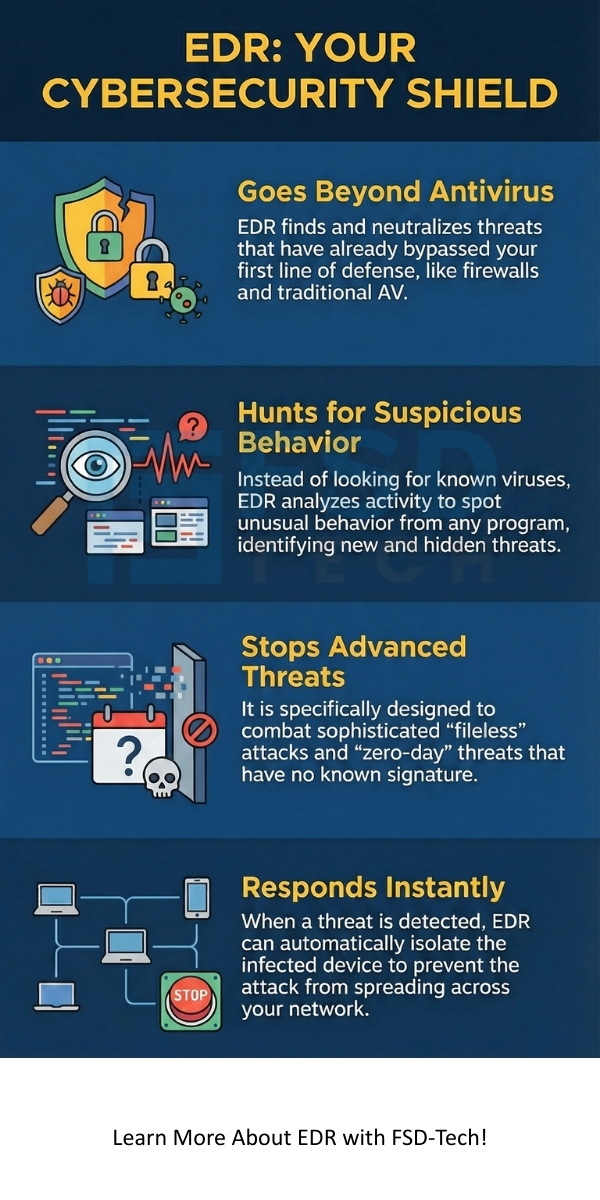
     

    Endpoint Detection and Response


    Key Takeaways

    Endpoint Detection and Response (EDR) is no longer a luxury; it is a fundamental requirement for business security.


    • EDR systems provide continuous visibility into your endpoints, which are your most vulnerable assets.
    • It moves security beyond simple prevention to include rapid detection and effective response.
    • The use of behavioral analytics and threat intelligence makes EDR the most powerful tool against advanced, fileless, and zero-day attacks.
    • By implementing a strong endpoint detection and response solution, you empower your security team to stop threats before they cause lasting damage.


    Frequently Asked Questions (FAQs) About Endpoint Detection and Response

    Q: What is the main benefit of endpoint detection and response?

    The main benefit is the ability to quickly detect and contain sophisticated threats—especially zero-day and fileless attacks—that traditional antivirus software cannot catch. It significantly reduces the time from attack entry to containment.


    Q: Are EDR systems difficult to manage?

    While EDR systems collect a lot of data, modern endpoint detection and response solution tools are designed with user-friendly consoles. Managed EDR services are also available. These services allow external experts to monitor and manage the system for you, which is a great option for businesses with smaller IT teams.


    Q: Does EDR replace my traditional antivirus?

    Typically, yes. Most comprehensive endpoint detection and response software includes or integrates next-generation antivirus capabilities. You often use the EDR solution to cover both the prevention and the detection/response aspects.


    Q: What is Threat Hunting in the context of EDR?

    Threat hunting is the proactive search for unknown threats that are lurking undetected in your network. The rich, centralized data collected by EDR technology enables security teams to manually search for suspicious patterns or anomalies that automated tools may have missed.

    What Is Endpoint Detection & Response (EDR) in Cybersecurity?

    About The Author

    Surbhi Suhane

    Surbhi Suhane is an experienced digital marketing and content specialist with deep expertise in Getting Things Done (GTD) methodology and process automation. Adept at optimizing workflows and leveraging automation tools to enhance productivity and deliver impactful results in content creation and SEO optimization.

    Like This Story?

    Share it with friends!

    Subscribe to our newsletter!

    Atera

    (48)

    Cato Networks

    (111)

    ClickUp

    (63)

    FishOS

    (7)

    Miradore

    (21)

    PointGuard AI

    (9)

    Vembu

    (22)

    Xcitium

    (33)

    ZETA HRMS

    (66)

    Workflow Automation(4)

    Workforce Automation(1)

    AI Project Management(1)

    HR Data Automation(1)

    RMM(1)

    IT Workflow Automation(1)

    GCC compliance(4)

    IT security(2)

    Payroll Integration(2)

    IT support automation(2)

    procurement automation(1)

    lost device management(1)

    IT Management(5)

    IoT Security(2)

    Cato XOps(2)

    IT compliance(4)

    Task Automation(1)

    Workflow Management(1)

    OpenStack automation(1)

    AI-powered cloud ops(1)

    Kubernetes lifecycle management(2)

    SMB Security(8)

    Data Security(1)

    MDR (Managed Detection & Response)(4)

    MSP Automation(2)

    Atera Integrations(2)

    XDR Security(2)

    SMB Cyber Protection(1)

    Ransomware Defense(3)

    HR Tech Solutions(1)

    Zero Trust Network Access(3)

    Zero Trust Security(2)

    Endpoint Management(1)

    SaaS Security(1)

    Payroll Automation(5)

    IT Monitoring(2)

    Xcitium EDR SOC(15)

    Ransomware Protection GCC(1)

    M&A IT Integration(1)

    Network Consolidation UAE(1)

    MSSP for SMBs(1)

    Antivirus vs EDR(1)

    Managed EDR FSD-Tech(1)

    SMB Cybersecurity GCC(1)

    FSD-Tech MSSP(25)

    Ransomware Protection(3)

    Cybersecurity GCC(12)

    Endpoint Security(1)

    Data Breach Costs(1)

    Endpoint Protection(1)

    Managed Security Services(2)

    Xcitium EDR(30)

    SMB Cybersecurity(8)

    Zero Dwell Containment(31)

    Cloud Backup(1)

    Hybrid Backup(1)

    Backup & Recovery(1)

    pointguard ai(4)

    backup myths(1)

    vembu(9)

    disaster recovery myths(1)

    SMB data protection(9)

    Disaster Recovery(4)

    Vembu BDR Suite(19)

    GCCBusiness(1)

    DataProtection(1)

    Secure Access Service Edge(4)

    GCC HR software(14)

    Miradore EMM(15)

    Cato SASE(7)

    Cloud Security(8)

    Talent Development(1)

    AI Cybersecurity(12)

    AI Security(2)

    AI Risk Management(1)

    AI Governance(4)

    AI Compliance(2)

    GCC business security(1)

    GCC network integration(1)

    compliance automation(4)

    GCC cybersecurity(2)

    education security(1)

    App management UAE(1)

    Miradore EMM Premium+(5)

    BYOD security Dubai(8)

    HealthcareSecurity(1)

    MiddleEast(1)

    Team Collaboration(1)

    IT automation(9)

    Zscaler(1)

    SD-WAN(6)

    HR Integration(4)

    Cloud Networking(3)

    device management(9)

    RemoteWork(1)

    ZeroTrust(2)

    VPN(1)

    MPLS(1)

    Project Management(9)

    HR automation(16)

    share your thoughts

    Edge Computing

    What is Edge Computing? How it Differs from Cloud Computing?

    🕓 December 24, 2025

    Vulnerability Assessment

    What is Vulnerability Assessment? Process & Tools

    🕓 December 24, 2025

    Man-in-the-Middle (MITM)

    Man-in-the-Middle (MITM) Attack - Prevention Guide

    🕓 December 23, 2025

    Decoded(35)

    Cyber Security(112)

    BCP / DR(22)

    Zeta HRMS(65)

    SASE(21)

    Automation(63)

    Next Gen IT-Infra(111)

    Monitoring & Management(69)

    ITSM(22)

    HRMS(21)

    Automation(24)