HomeNext Gen IT-InfraMonitoring & ManagementCyber SecurityBCP / DRAutomationDecoded
Next Gen IT-Infra
Cato’s SASE Supports Cybersecurity Skills Development

How Cato’s SASE Supports Cybersecurity Skills Development

🕓 April 8, 2025

How SASE Supports the Security Needs of SMBs

How SASE Supports the Security Needs of SMBs

🕓 February 9, 2025

Attack Surface Reduction with Cato’s SASE

Attack Surface Reduction with Cato’s SASE

🕓 February 10, 2025

SASE for Digital Transformation in UAE

SASE for Digital Transformation in UAE

🕓 February 8, 2025

Monitoring & Management
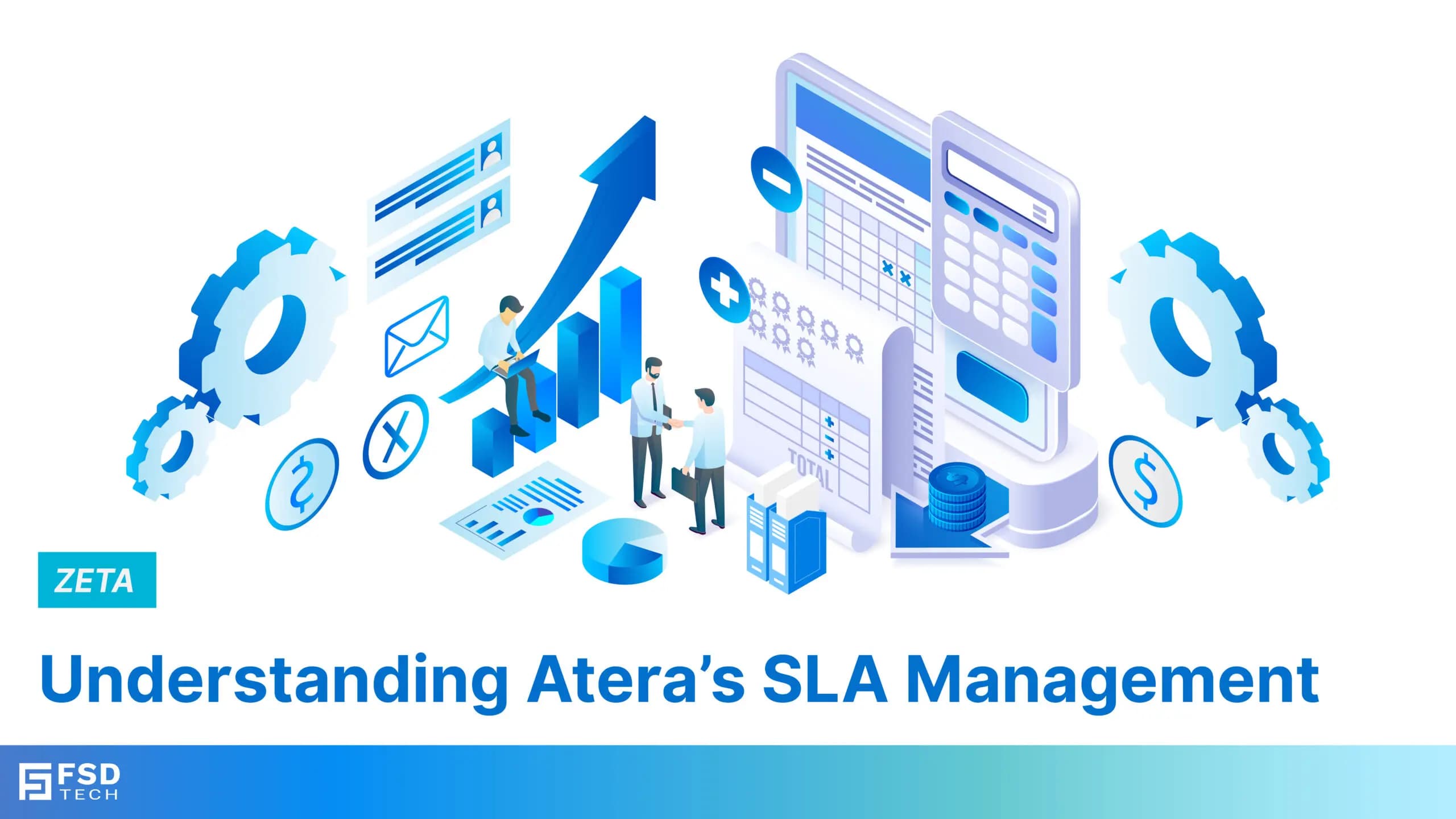
Understanding Atera’s SLA Management

Understanding Atera’s SLA Management

🕓 February 7, 2025

Cost-Performance Ratio: Finding the Right Balance in IT Management Networks

Cost-Performance Ratio: Finding the Right Balance in IT Management Networks

🕓 June 16, 2025

Customizing Atera with APIs

Customizing Atera with APIs

🕓 March 3, 2025

Power Up Your IT Team’s Strategy with Atera’s Communication Tools

Power Up Your IT Team’s Strategy with Atera’s Communication Tools

🕓 February 8, 2025

Cyber Security
Visual guide showing Cato CMA interface for configuring Internet and WAN firewall rules, enabling threat protection, and monitoring security events in real time for UAE IT teams.

Enforcing Firewall and Threat Protection Policies in Cato

🕓 July 25, 2025

Isometric illustration of professionals managing network performance, bandwidth analytics, and cloud-based optimization around the Cato Networks platform, symbolizing bandwidth control and QoS visibility.

Mastering Bandwidth Control and QoS in Cato Networks

🕓 July 26, 2025

Illustration of the Cato Cloud architecture showing its role in delivering SASE for secure, optimized global connectivity.

Understanding the Cato Cloud and Its Role in SASE

🕓 January 29, 2025

Global network backbone powering Cato SASE solution for secure, high-performance connectivity across regions.

Global Backbone: The Engine Powering Cato’s SASE Solution

🕓 January 30, 2025

BCP / DR
Illustration showing diverse business and IT professionals collaborating with cloud, backup, and security icons, representing Vembu use cases for SMBs, MSPs, and IT teams.

Who Uses Vembu? Real-World Use Cases for SMBs, MSPs & IT Teams

🕓 July 12, 2025

Graphic showcasing Vembu’s all-in-one backup and disaster recovery platform with icons for cloud, data protection, and business continuity for IT teams and SMBs.

What Is Vembu? A Deep Dive Into the All in One Backup & Disaster Recovery Platform

🕓 July 6, 2025

Illustration showing Vembu backup and disaster recovery system with cloud storage, server racks, analytics dashboard, and IT professionals managing data.

The Rising Cost of Data Loss: Why Backup Is No Longer Optional?

🕓 August 14, 2025

3D isometric illustration of cloud backup and data recovery infrastructure with laptop, data center stack, and digital business icons — FSD Tech

RPO & RTO: The Heart of Business Continuity

🕓 August 15, 2025

Automation
Cross-Functional Collaboration with ClickUp

Fostering Cross-Functional Collaboration with ClickUp for Multi-Departmental Projects

🕓 February 11, 2025

ClickUp Project Reporting

Revolutionizing Enterprise Reporting with ClickUp’s Advanced Analytics and Dashboards

🕓 June 16, 2025

ClickUp’s Design Collaboration and Asset Management Tools

Empowering Creative Teams with ClickUp’s Design Collaboration and Asset Management Tools

🕓 February 26, 2025

ClickUp Communication and Collaboration Tools

ClickUp Communication and Collaboration Tools: Empowering Remote Teams

🕓 March 12, 2025

Decoded
Multi-Factor Authentication (MFA)

Multi-Factor Authentication (MFA): All You Need to Know

🕓 December 7, 2025

L3 Switch

What Is an L3 Switch? L2 vs L3 & Why You Need Layer 3?

🕓 December 8, 2025

IPSec

IPSec Explained: Protocols, Modes, IKE & VPN Security

🕓 December 3, 2025

 Datagram Transport Layer Security (DTLS)

What is Datagram Transport Layer Security (DTLS)? How it works?

🕓 December 4, 2025

    Subscribe to our newsletter!

    About Us

    Follow Us

    Copyright © 2024 | Powered by 

    Cato SASE Architecture

    Inside Cato’s SASE Architecture: A Blueprint for Modern Security

    🕓 January 26, 2025

    Enterprise Data Security and Privacy with ClickUp

    Ensuring Enterprise Data Security and Privacy with ClickUp

    🕓 February 9, 2025

    DDoS protection SASE

    DDoS Protection and Cato’s Defence Mechanisms

    🕓 February 11, 2025

    Table of Contents

    Understanding Atera’s SLA Management

    Anas Abdu Rauf
    February 7, 2025
    Comments
    Understanding Atera’s SLA Management

    SLA (Service Level Agreement) management plays a vital role in IT service delivery, ensuring both service providers and clients understand and agree upon service standards. This clarity is essential for fostering strong relationships and maintaining accountability.
     

    The Importance of SLA Management

    What is SLA Management?

    • Definition: SLA management involves creating, monitoring, and ensuring compliance with service agreements between a provider and a client.
       
    • Purpose: Establishes measurable service expectations and provides a framework for evaluating service performance.

    Why is SLA Management Important?

    • Builds Trust: A well-defined SLA creates transparency, fostering a better relationship between clients and providers.
       
    • Enhances Performance: Regular monitoring against SLA targets drives improvements in service quality.
       
    • Legal Protection: Protects both parties by clearly defining the terms of service and outlining what happens if the standards are not met.
       
    • Customer Satisfaction: Meeting SLA expectations boosts client satisfactionand confidence, promoting long-term partnerships.

    Overview of Service Level Agreements

    Core Components of an SLA:

    • Service Description: Details the services offered, including scope, quality, and limitations.
       
    • Performance Metrics: Sets the standards for measuring the quality of service, like response time, resolution time, and uptime.
       
    • Roles and Responsibilities: Outlines what is expected from both the service provider and the client.
       
    • Penalties and Remedies: Defines compensation or actions for failing to meet agreed-upon service levels.
       
    • Review and Revision: Provides a mechanism for updating SLA terms to reflect evolving needs.


    Types of SLAs:

    1. Service-Based SLA: A single agreement applicable to all customers using the same service.
       
    2. Customer-Based SLA: Customized agreements tailored for individual clients based on specific needs.
       
    3. Multi-Level SLA:
      • Corporate Level: General SLA applicable to all clients.
      • Customer Level: Adjusted for individual client needs.
      • Service Level: Specific to a particular service or product.
         

    Atera’s SLA Management Features

    Atera provides a range of features designed to simplify SLA management for Managed Service Providers (MSPs). These features ensure that SLAs are efficiently monitored and met, keeping both service providers and their clients satisfied.

    Key Features:

    1. Automation:

    • Automated Alerts: Triggers notifications when SLA thresholds are nearing or when a breach occurs, enabling quick action.
    • Workflow Automation: Automatically escalates issues when response or resolution time is exceeded, ensuring timely intervention.

    2. Real-Time Reporting & Analytics:

    • SLA Performance Reports: Offers insights into SLA compliance rates, providing a detailed breakdown of response and resolution times.
    • Trend Analysis: Helps identify recurring issues, allowing MSPs to proactively address problem areas.

    3. Customization of SLA Terms:

    • SLA Templates: Easily create and adjust templates to fit the specific needs of different clients.
    • Flexible Business Hours: Define SLA terms based on clients’ operating hours and adjust for holidays or after-hours support needs.

    4. Compliance Tracking:

    • Real-Time Monitoring: Tracks each ticket’s status against SLA terms, allowing MSPs to intervene before a breach.
    • Compliance Dashboards: Visualize SLA compliance rates and adjust service strategies as needed.
       

    How Atera Improves SLA Compliance

    Ensuring Consistent Performance:

    • Automated Escalations: Prevents SLA breaches by automatically escalating issues when they exceed response times.
       
    • Customized Notifications: Alerts teams about pending breaches, allowing them to take proactive action.

    Advanced Reporting Capabilities:

    • Detailed SLA Compliance Reports: Breaks down performance metrics, helping MSPs measure their service delivery accurately.
       
    • Data-Driven Decisions: Use analytics to refine SLA terms, ensuring they are realistic and aligned with service capabilities.

    Flexibility in SLA Terms:

    • Adjustable Work Hours: Tailor SLA terms based on client requirements, including after-hours support.
       
    • Region-Specific SLAs: Accommodate clients across different time zones by defining localized service hours.
       

    Atera’s SLA Management in Action

    Scenario 1: Meeting High Availability Requirements

    • Challenge: A client requires 99.9% uptime for critical services.
       
    • Solution: Atera’s real-time monitoring tools track system availability, triggering immediate alerts if uptime drops below SLA thresholds.
       
    • Outcome: Proactive response maintains client satisfaction and ensures compliance with uptime agreements.

    Scenario 2: Customizing SLAs for Different Clients

    • Challenge: MSP serves clients with varied support needs, such as 24/7 support vs. business hours only.
       
    • Solution: Atera’s flexible SLA templates allow easy customization for each client, ensuring that expectations are clear and met.
       
    • Outcome: Increased client satisfaction due to tailored service, leading to stronger client relationships.
       

    Common SLA Management Pitfalls

    Pitfall 1: Unrealistic SLA Terms:

    • Issue: Overpromising service levels can lead to frequent breaches.
       
    • Solution: Atera’s analytics helps MSPs analyze past performance and set realistic SLA terms.

    Pitfall 2: Lack of Regular Reviews:

    • Issue: SLAs that are not reviewed can become outdated and misaligned with client needs.
       
    • Solution: Regularly utilize Atera’s SLA reporting tools to assess and adjust SLA terms.

    Pitfall 3: Poor Communication with Clients:

    • Issue: Misunderstandings about SLA terms can lead to client dissatisfaction.
       
    • Solution: Use Atera’s client portal to keep clients informed about SLA performance and compliance status.
       

    Conclusion: Why Atera’s SLA Management Matters

    Atera’s SLA management features provide MSPs with the tools needed to ensure service delivery meets agreed-upon standards. By automating compliance tracking, offering real-time reporting, and allowing for flexible SLA customization, Atera makes it easier for MSPs to maintain high service standards.

    Key Takeaways:

    • Automation: Saves time and ensures timely compliance.
       
    • Custom Reporting: Offers deep insights into service performance.
       
    • Flexibility: Tailors SLA terms to meet diverse client needs.
       

    SLA management is a cornerstone of successful IT service delivery, and Atera’s tools help make it seamless and effective.


    Looking to improve communication within your IT team? Join us tomorrow for insights!
     

    FAQ’s

    Can Atera support multiple SLA types for different clients?

    Yes, Atera’s flexible SLA templates allow MSPs to tailor SLAs based on client needs, such as 24/7 or region-specific support.


    What types of reports can Atera generate for SLA management?

    Atera provides SLA performance reports and trend analysis, offering detailed breakdowns of response and resolution times. These insights help MSPs make data-driven decisions to enhance service quality.


    Can Atera send automated notifications for potential SLA breaches?

    Yes, Atera triggers automated alerts when an SLA threshold is close to being breached, enabling MSPs to act quickly to maintain compliance.


    How does Atera support customized SLAs for different clients?

    Atera’s flexible templates allow MSPs to set specific terms for each client, including unique business hours and tailored response times.


    Does Atera offer any tools to help analyze SLA performance?

    Atera provides real-time analytics and compliance dashboards that allow MSPs to monitor and adjust their SLA performance metrics based on client needs.


    What reporting options are available for tracking SLA compliance?

    Atera offers detailed SLA compliance reports and trend analysis to help MSPs evaluate performance over time and improve service quality.


    Can Atera’s SLA management adjust for client business holidays?

    Yes, Atera allows for flexible SLA terms that consider client-specific business hours, holidays, and after-hours requirements.


    How can Atera help avoid unrealistic SLA promises?

    Atera’s analytics provide insights into historical performance, allowing MSPs to set achievable SLAs based on past data and service capabilities.


    Understanding Atera’s SLA Management

    About The Author

    Anas Abdu Rauf

    Anas is an Expert in Network and Security Infrastructure, With over seven years of industry experience, holding certifications Including CCIE- Enterprise, PCNSE, Cato SASE Expert, and Atera Certified Master. Anas provides his valuable insights and expertise to readers.

    Like This Story?

    Share it with friends!

    Subscribe to our newsletter!

    Atera

    (48)

    Cato Networks

    (111)

    ClickUp

    (65)

    FishOS

    (7)

    Miradore

    (21)

    PointGuard AI

    (9)

    Vembu

    (22)

    Xcitium

    (33)

    ZETA HRMS

    (67)

    Workflow Automation(5)

    Workforce Automation(1)

    AI Project Management(1)

    HR Data Automation(1)

    RMM(1)

    IT Workflow Automation(1)

    IT security(2)

    GCC compliance(4)

    Payroll Integration(2)

    IT support automation(3)

    procurement automation(1)

    lost device management(1)

    IT Management(5)

    IoT Security(2)

    Cato XOps(2)

    IT compliance(4)

    Task Automation(1)

    Workflow Management(1)

    OpenStack automation(1)

    Kubernetes lifecycle management(2)

    AI-powered cloud ops(1)

    SMB Security(8)

    Data Security(1)

    MDR (Managed Detection & Response)(4)

    Atera Integrations(2)

    MSP Automation(3)

    XDR Security(2)

    SMB Cyber Protection(1)

    Ransomware Defense(3)

    HR Tech Solutions(1)

    Zero Trust Network Access(3)

    Zero Trust Security(2)

    Endpoint Management(1)

    SaaS Security(1)

    Payroll Automation(5)

    IT Monitoring(2)

    Xcitium EDR SOC(15)

    Ransomware Protection GCC(1)

    M&A IT Integration(1)

    Network Consolidation UAE(1)

    MSSP for SMBs(1)

    FSD-Tech MSSP(25)

    SMB Cybersecurity GCC(1)

    Managed EDR FSD-Tech(1)

    Ransomware Protection(3)

    Antivirus vs EDR(1)

    Cybersecurity GCC(12)

    Endpoint Security(1)

    Endpoint Protection(1)

    Data Breach Costs(1)

    Managed Security Services(2)

    SMB Cybersecurity(8)

    Zero Dwell Containment(31)

    Xcitium EDR(30)

    Cloud Backup(1)

    Hybrid Backup(1)

    Backup & Recovery(1)

    pointguard ai(4)

    disaster recovery myths(1)

    backup myths(1)

    vembu(9)

    SMB data protection(9)

    Vembu BDR Suite(19)

    Disaster Recovery(4)

    DataProtection(1)

    GCCBusiness(1)

    Secure Access Service Edge(4)

    GCC HR software(15)

    Miradore EMM(15)

    Cato SASE(7)

    Cloud Security(8)

    Talent Development(1)

    AI Cybersecurity(12)

    AI Risk Management(1)

    AI Governance(4)

    AI Security(2)

    AI Compliance(2)

    GCC business security(1)

    GCC network integration(1)

    compliance automation(4)

    GCC cybersecurity(2)

    education security(1)

    App management UAE(1)

    BYOD security Dubai(8)

    Miradore EMM Premium+(5)

    HealthcareSecurity(1)

    MiddleEast(1)

    Team Collaboration(1)

    IT automation(10)

    Zscaler(1)

    SD-WAN(6)

    HR Integration(4)

    Cloud Networking(3)

    device management(9)

    RemoteWork(1)

    ZeroTrust(2)

    VPN(1)

    MPLS(1)

    Project Management(9)

    HR automation(16)

    share your thoughts

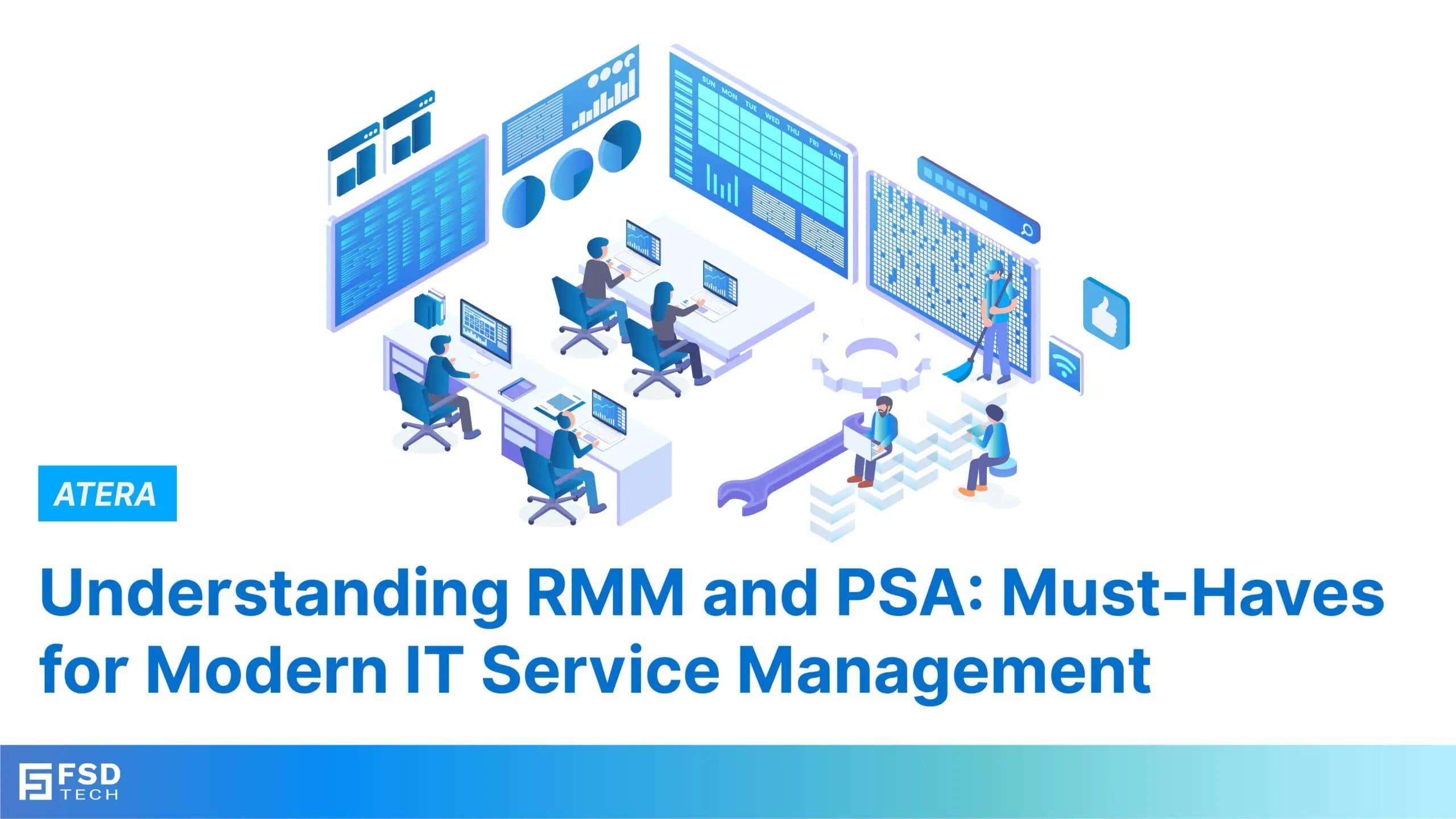
    Understanding RMM and PSA: Must-Haves for Modern IT Service Management

    Understanding RMM and PSA: Must-Haves for Modern IT Service Management

    🕓 January 22, 2025

    Atera Networks: The Ultimate IT Management Solution for Today’s Professionals

    Atera Networks: The Ultimate IT Management Solution for Today’s Professionals

    🕓 January 23, 2025

    Leveraging AI with Atera Networks: Enhancing Efficiency for IT Management

    Leveraging AI with Atera Networks: Enhancing Efficiency for IT Management

    🕓 January 24, 2025

    Decoded(43)

    Cyber Security(112)

    BCP / DR(22)

    Zeta HRMS(66)

    SASE(21)

    Automation(65)

    Next Gen IT-Infra(111)

    Monitoring & Management(69)

    ITSM(22)

    HRMS(21)

    Automation(24)