HomeNext Gen IT-InfraMonitoring & ManagementCyber SecurityBCP / DRAutomationDecoded
Next Gen IT-Infra
Cato’s SASE Supports Cybersecurity Skills Development

How Cato’s SASE Supports Cybersecurity Skills Development

🕓 April 8, 2025

How SASE Supports the Security Needs of SMBs

How SASE Supports the Security Needs of SMBs

🕓 February 9, 2025

Attack Surface Reduction with Cato’s SASE

Attack Surface Reduction with Cato’s SASE

🕓 February 10, 2025

SASE for Digital Transformation in UAE

SASE for Digital Transformation in UAE

🕓 February 8, 2025

Monitoring & Management
Understanding Atera’s SLA Management

Understanding Atera’s SLA Management

🕓 February 7, 2025

Cost-Performance Ratio: Finding the Right Balance in IT Management Networks

Cost-Performance Ratio: Finding the Right Balance in IT Management Networks

🕓 June 16, 2025

Customizing Atera with APIs

Customizing Atera with APIs

🕓 March 3, 2025

Power Up Your IT Team’s Strategy with Atera’s Communication Tools

Power Up Your IT Team’s Strategy with Atera’s Communication Tools

🕓 February 8, 2025

Cyber Security
Visual guide showing Cato CMA interface for configuring Internet and WAN firewall rules, enabling threat protection, and monitoring security events in real time for UAE IT teams.

Enforcing Firewall and Threat Protection Policies in Cato

🕓 July 25, 2025

Isometric illustration of professionals managing network performance, bandwidth analytics, and cloud-based optimization around the Cato Networks platform, symbolizing bandwidth control and QoS visibility.

Mastering Bandwidth Control and QoS in Cato Networks

🕓 July 26, 2025

Illustration of the Cato Cloud architecture showing its role in delivering SASE for secure, optimized global connectivity.

Understanding the Cato Cloud and Its Role in SASE

🕓 January 29, 2025

Global network backbone powering Cato SASE solution for secure, high-performance connectivity across regions.

Global Backbone: The Engine Powering Cato’s SASE Solution

🕓 January 30, 2025

BCP / DR
Illustration showing diverse business and IT professionals collaborating with cloud, backup, and security icons, representing Vembu use cases for SMBs, MSPs, and IT teams.

Who Uses Vembu? Real-World Use Cases for SMBs, MSPs & IT Teams

🕓 July 12, 2025

Graphic showcasing Vembu’s all-in-one backup and disaster recovery platform with icons for cloud, data protection, and business continuity for IT teams and SMBs.

What Is Vembu? A Deep Dive Into the All in One Backup & Disaster Recovery Platform

🕓 July 6, 2025

Illustration showing Vembu backup and disaster recovery system with cloud storage, server racks, analytics dashboard, and IT professionals managing data.

The Rising Cost of Data Loss: Why Backup Is No Longer Optional?

🕓 August 14, 2025

3D isometric illustration of cloud backup and data recovery infrastructure with laptop, data center stack, and digital business icons — FSD Tech

RPO & RTO: The Heart of Business Continuity

🕓 August 15, 2025

Automation
Cross-Functional Collaboration with ClickUp

Fostering Cross-Functional Collaboration with ClickUp for Multi-Departmental Projects

🕓 February 11, 2025

ClickUp Project Reporting

Revolutionizing Enterprise Reporting with ClickUp’s Advanced Analytics and Dashboards

🕓 June 16, 2025

ClickUp’s Design Collaboration and Asset Management Tools

Empowering Creative Teams with ClickUp’s Design Collaboration and Asset Management Tools

🕓 February 26, 2025

ClickUp Communication and Collaboration Tools

ClickUp Communication and Collaboration Tools: Empowering Remote Teams

🕓 March 12, 2025

Decoded
Multi-Factor Authentication (MFA)

Multi-Factor Authentication (MFA): All You Need to Know

🕓 December 7, 2025

L3 Switch

What Is an L3 Switch? L2 vs L3 & Why You Need Layer 3?

🕓 December 8, 2025

IPSec

IPSec Explained: Protocols, Modes, IKE & VPN Security

🕓 December 3, 2025

 Datagram Transport Layer Security (DTLS)

What is Datagram Transport Layer Security (DTLS)? How it works?

🕓 December 4, 2025

    Subscribe to our newsletter!

    About Us

    Follow Us

    Copyright © 2024 | Powered by 

    Cato SASE Architecture

    Inside Cato’s SASE Architecture: A Blueprint for Modern Security

    🕓 January 26, 2025

    Enterprise Data Security and Privacy with ClickUp

    Ensuring Enterprise Data Security and Privacy with ClickUp

    🕓 February 9, 2025

    DDoS protection SASE

    DDoS Protection and Cato’s Defence Mechanisms

    🕓 February 11, 2025

    Table of Contents

    Why Traditional Network Security Fails Against Modern Threats and How Cato SASE Fixes It

    Anas Abdu Rauf
    November 28, 2025
    Comments
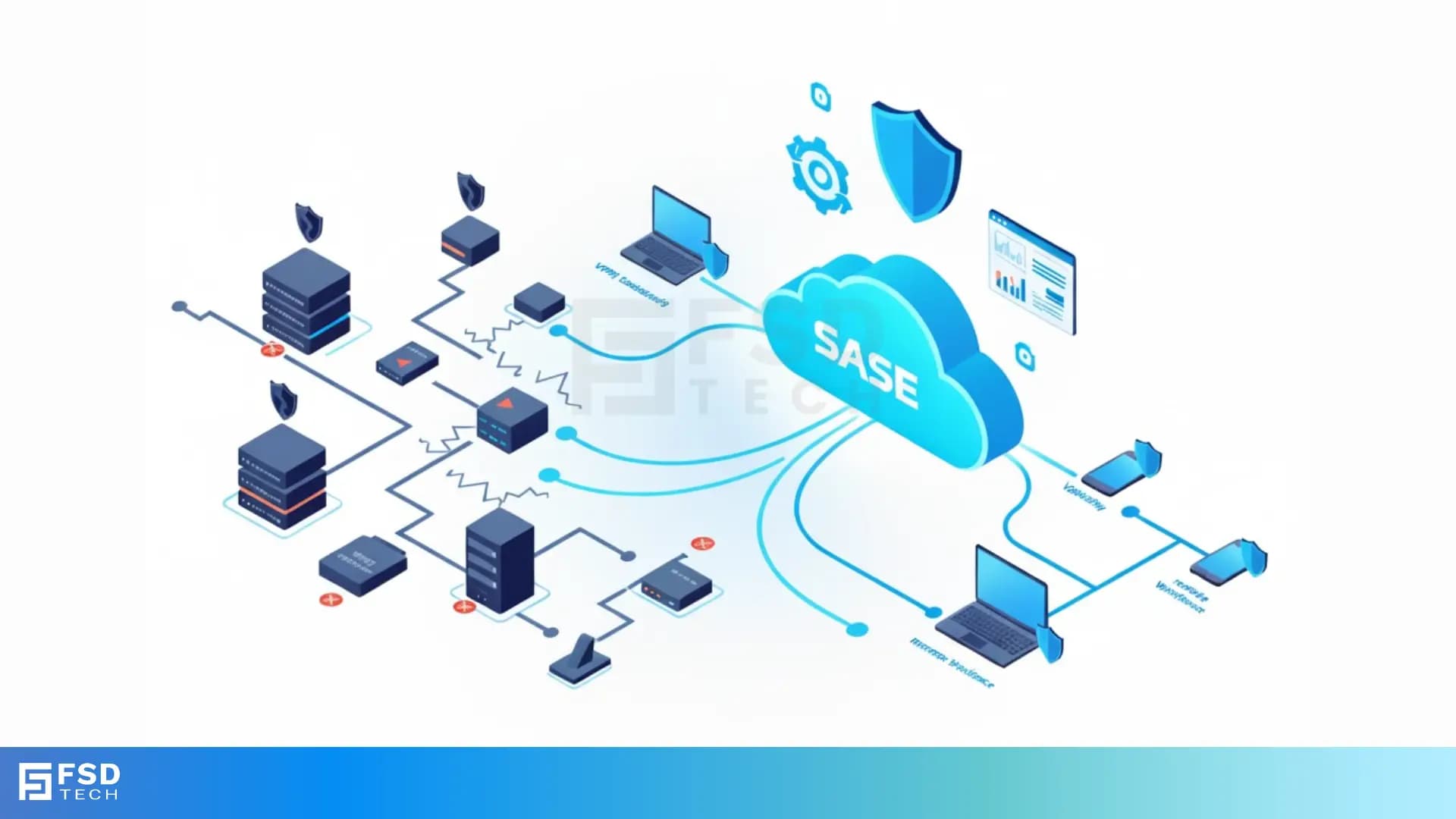
    illustration of Cato SASE cloud architecture showing secure connectivity from servers, laptops, and endpoints into a unified cloud security platform, with FSD Tech branding.

    Key Takeaways

    • Legacy security tools create blind spots:  Siloed firewalls, VPNs, and point solutions lack integration and real-time intelligence, making them ineffective against today’s fast-moving, multi-stage cyber threats.
    • Modern attacks outpace static defenses:  Advanced tactics like fileless malware, credential theft, and API exploitation routinely bypass legacy controls that rely on static rules and signatures.
    • Operational complexity increases risk:  Managing fragmented security tools leads to misconfigurations, inconsistent policies, and slower incident response—problems that attackers exploit.
    • SASE delivers unified, cloud-native protection:  Secure Access Service Edge (SASE) integrates networking and security in a single platform, providing consistent, real-time protection across cloud, on-premises, and remote environments.
    • Cato SASE, enabled by FSD Tech, bridges global and regional needs:  Organizations in the GCC benefit from Cato SASE’s unified architecture and FSD Tech’s local expertise, ensuring compliance, rapid deployment, and future-ready security.
       

    Why Traditional Network Security Falls Short in the Modern Threat Landscape

    The Evolution of Network Threats

    The cyber threat landscape has fundamentally changed. Attackers now use automation, artificial intelligence, and global infrastructure to probe for weaknesses across hybrid environments. Instead of relying solely on brute-force attacks, adversaries employ multi-stage campaigns—leveraging stolen credentials, fileless malware, and sophisticated social engineering—to bypass static defenses. The average time from initial compromise to lateral movement within a network has dropped to just over an hour, with some breaches unfolding in minutes. This rapid pace leaves little room for manual response or investigation.
     

    Limitations of Legacy Firewalls, VPNs, and Point Solutions

    Siloed Defenses and Fragmented Visibility

    Legacy firewalls and VPNs were designed for a world with clear perimeters and predictable traffic patterns. Today, users and data are everywhere: on-premises, in the cloud, and working remotely. Traditional tools operate in isolation, each providing only a narrow view of the threat landscape. This fragmentation creates blind spots, allowing attackers to move laterally, exploit misconfigurations, and evade detection.

    Static Rules in a Dynamic World

    Most legacy security solutions rely on signature-based detection and static access rules. While effective against known threats, these approaches are powerless against zero-day exploits, custom malware, and identity-based attacks. Manual investigation and triage often lead to alert fatigue, missed incidents, and delayed responses—giving adversaries the time they need to inflict damage.

    Operational Complexity and the Risk of Misconfiguration

    Managing a patchwork of point solutions increases operational overhead and the risk of human error. Inconsistent policies, overlapping controls, and integration gaps make it difficult to enforce security uniformly across the organization. Attackers are quick to exploit these weaknesses, often using them as entry points for more advanced attacks.
     

    Real-World Examples of Modern Attacks Bypassing Traditional Defenses

    •  Ransomware Breakout:  In 2023, a global manufacturer suffered a ransomware attack that bypassed its perimeter firewall and VPN. The attackers exploited a zero-day vulnerability, moved laterally across cloud and on-premises environments, and encrypted critical systems—all within 45 minutes. The legacy tools, lacking behavioral analytics and real-time threat intelligence, failed to detect the intrusion until it was too late.
    •  API Exploitation:  A financial services firm experienced a data breach when attackers exploited insecure APIs. Traditional network controls did not monitor API traffic, allowing the attackers to exfiltrate sensitive data undetected.
    •  Credential Theft via Social Engineering:  An employee at a regional bank was targeted with a sophisticated phishing campaign. The email, crafted using AI, bypassed conventional filters. The attacker gained access to internal systems using stolen credentials, highlighting the limitations of signature-based defenses.
       

    Also Read: Understanding Threat Prevention Policies in Cato
     

    The Complexity and Gaps Created by Siloed Security Tools

    Operational Overhead and Visibility Challenges

    Traditional endpoint and network solutions focus on specific segments, missing threats that traverse cloud, SaaS, and remote endpoints. Vulnerability scanners systematically underestimate risk, often missing software supply chain and API vulnerabilities that are now prime targets for attackers. This lack of holistic visibility makes it difficult to detect and respond to threats that move laterally across hybrid environments.

    The Risk of Misconfiguration and Inconsistent Policies

    Managing multiple, uncoordinated security tools increases complexity and the likelihood of misconfiguration. Each tool requires separate management, updates, and policy enforcement, making it difficult to maintain a consistent security posture. This fragmented approach slows incident response and makes it challenging to enforce uniform security policies across the organization.
     

    ChallengeLegacy Security ToolsImpact on Modern Security Posture
    VisibilitySiloed, partialBlind spots, missed lateral movement
    Policy EnforcementInconsistent, manualGaps, misconfigurations
    Threat DetectionSignature-based, reactiveIneffective against new/unknown threats
    Operational ComplexityHigh, fragmentedIncreased overhead, slower response
    AdaptabilityLimitedStruggles with hybrid/cloud environments


    The SASE Revolution: Integrated Security for a Borderless World

    What Is SASE and Why Does It Matter?

    Secure Access Service Edge (SASE) is a transformative approach that converges networking and security functions into a single, cloud-delivered platform. SASE provides consistent protection and visibility everywhere users and data reside—whether on-premises, in the cloud, or working remotely. This unified model is designed for the realities of modern, distributed enterprises.

    Core Principles: Cloud-Native, Zero-Trust, and Real-Time Intelligence

    •  Cloud-Native Delivery:  SASE platforms operate from the cloud, eliminating the need for on-premises hardware and enabling rapid scalability.
    •  Zero-Trust Access:  Every user, device, and application is continuously verified, regardless of location, reducing the risk of lateral movement and insider threats.
    •  Real-Time Threat Intelligence:  Integrated analytics and global threat intelligence enable rapid detection and automated response to emerging threats.

    How SASE Addresses the Gaps of Legacy Security

    SASE eliminates the silos and blind spots of traditional tools by providing unified visibility, policy enforcement, and threat detection across all environments—on-premises, cloud, and remote. Automated workflows and real-time analytics reduce response times from hours to minutes, closing the window of opportunity for attackers. By integrating networking and security, SASE simplifies operations and ensures consistent protection everywhere.


    Cato SASE: The Unified, Future-Ready Platform

    Native Integration vs. Patchwork Solutions

    While some SASE offerings are assembled from disparate products, Cato SASE delivers all core capabilities—SD-WAN, firewall-as-a-service, secure web gateway, zero-trust network access, and more—natively from a single global cloud platform. This unified architecture eliminates integration gaps, reduces operational complexity, and ensures consistent protection everywhere users and data reside.

    Real-World Impact: Faster Detection, Automated Response, and Consistent Protection

    Organizations adopting Cato SASE report:

    •  Dramatically reduced detection and response times  thanks to integrated analytics and automated policy enforcement.
    •  Consistent security policies  across users, devices, and applications, regardless of location or network.
    •  Simplified operations  with a single management interface and reduced reliance on manual processes.

    FSD Tech: Bridging Global Innovation with Local Execution in the GCC

    For organizations in the GCC, adopting global security innovation requires local expertise and support. FSD Tech acts as the regional enabler for Cato SASE, providing:

    •  Local compliance guidance  and support tailored to GCC regulations.
    •  On-the-ground deployment and integration services  to ensure a smooth transition from legacy tools.
    •  Ongoing partnership  to help organizations stay ahead of evolving threats with the latest advancements in cloud-delivered security.
       

    Building a Resilient Security Strategy for the Modern Enterprise

    The shift to SASE is not just a technology upgrade—it’s a strategic evolution. By embracing cloud-native, zero-trust security, organizations can:

    •  Reduce risk from advanced threats that bypass legacy controls.
    •  Simplify operations  and free up resources for strategic initiatives.
    •  Enable secure digital transformation  across hybrid, multi-cloud, and remote environments.
    •  Ensure compliance  with regional regulations, leveraging local expertise from partners like FSD Tech.

    A resilient security strategy recognizes the limitations of legacy tools and proactively adopts integrated, future-ready solutions that align with the realities of modern business.
     

    Stop Modern Attacks Before They Start. Talk to Our Cato SASE Specialists Today.
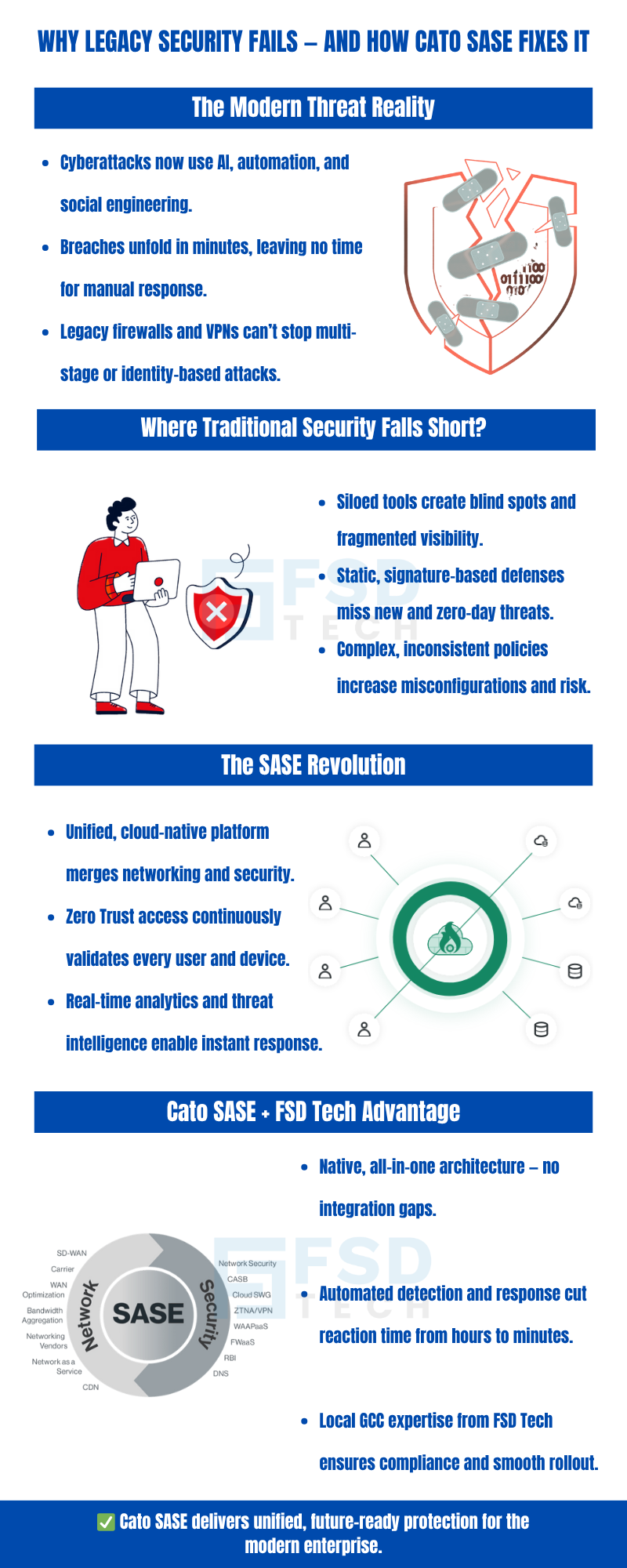
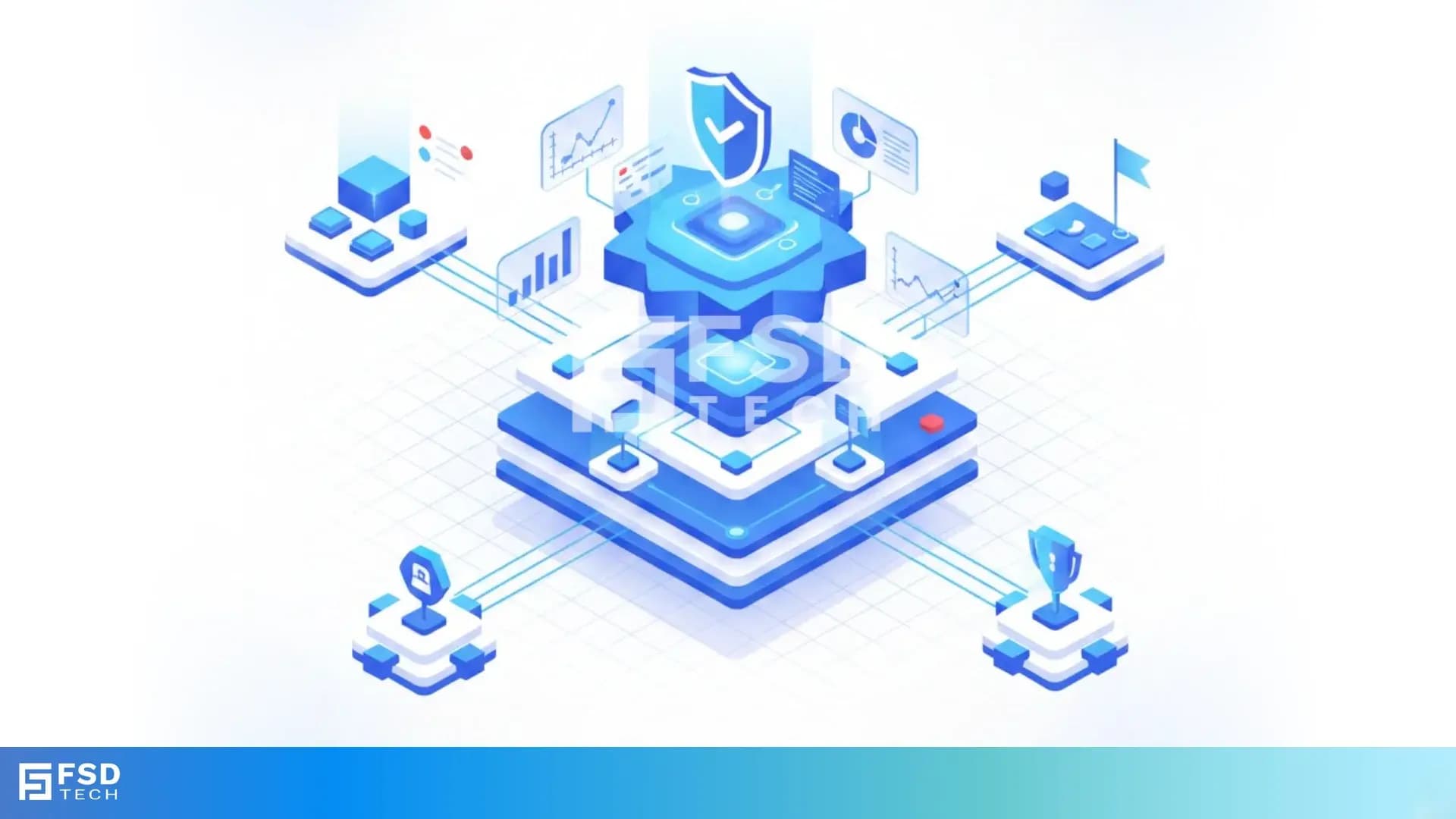
    Infographic explaining why legacy network security fails and how Cato SASE fixes it, highlighting modern threat risks, traditional security limitations, SASE capabilities, and FSD Tech advantages with a unified cloud-native Zero Trust platform


    FAQ

    Why can’t legacy firewalls and VPNs stop modern threats?

    Legacy firewalls and VPNs rely on static rules and known signatures, which makes them ineffective against zero-day exploits, lateral movement, and identity-based attacks. Modern threats often use novel tactics, automation, and social engineering to bypass these controls, exploiting the lack of integration and real-time intelligence in legacy security architectures.


    What makes SASE different from traditional security solutions?

    SASE integrates networking and security in a single cloud-native platform, providing unified visibility, real-time threat intelligence, and zero-trust access everywhere users and data reside. This approach eliminates silos, reduces complexity, and ensures consistent protection across all environments.


    How does Cato SASE ensure faster detection and response?

    Cato SASE’s global cloud platform leverages real-time analytics, automated policy enforcement, and integrated threat intelligence to detect and block threats in minutes—not hours or days. This rapid response capability is essential for countering fast-moving, multi-stage attacks.


    What role does FSD Tech play for organizations in the GCC?

    FSD Tech enables GCC organizations to adopt Cato SASE with local expertise, support, and compliance guidance. By bridging global security innovation with regional requirements, FSD Tech ensures that deployments are tailored to local regulations and operational realities.


    How does Cato SASE address the complexity of managing multiple security tools?

    Cato SASE consolidates core security functions—such as firewall, secure web gateway, and zero-trust network access—into a single platform. This reduces operational overhead, minimizes the risk of misconfiguration, and enables centralized policy management, making security operations more efficient and less error-prone.


    Can Cato SASE support hybrid and multi-cloud environments?

    Yes, Cato SASE is designed to provide unified security and networking across on-premises, cloud, and remote environments. Its cloud-native architecture ensures consistent protection and visibility, regardless of where users or data reside.


    What are the benefits of zero-trust access in a SASE platform?

    Zero-trust access continuously verifies the identity and context of every user, device, and application. This reduces the risk of lateral movement, insider threats, and unauthorized access, providing a robust defense against modern attack techniques.


    How does Cato SASE handle API and supply chain vulnerabilities?

    Cato SASE provides deep visibility and inspection of network traffic, including API calls and supply chain interactions. Its integrated threat intelligence and behavioral analytics help detect and block suspicious activity that traditional tools often miss.


    Is Cato SASE suitable for organizations with remote and distributed workforces?

    Absolutely. Cato SASE’s cloud-delivered model ensures that remote and distributed users receive the same level of protection and policy enforcement as those on-premises. This is especially valuable for organizations with hybrid work models or multiple branch locations.


    How does FSD Tech ensure compliance with GCC regulations?

    FSD Tech brings deep regional expertise, helping organizations align their Cato SASE deployments with local compliance requirements. This includes guidance on data residency, privacy, and regulatory mandates specific to the GCC.


    What operational efficiencies can organizations expect by moving to Cato SASE?

    By consolidating security functions into a single platform, organizations can reduce the number of tools they manage, streamline policy enforcement, and automate routine tasks. This leads to lower operational costs, faster incident response, and a stronger overall security posture.


    How does Cato SASE provide real-time threat intelligence?

    Cato SASE leverages a global network of sensors and integrated analytics to collect and analyze threat data in real time. This intelligence is continuously updated and applied across the platform, enabling proactive detection and blocking of emerging threats.


    What is the deployment process for Cato SASE in the GCC?

    With FSD Tech as the regional enabler, deployment begins with a tailored assessment of the organization’s current environment and requirements. FSD Tech then manages the migration, integration, and ongoing support, ensuring a smooth and compliant transition to Cato SASE.


    Can Cato SASE help organizations respond to ransomware and other advanced threats?

    Yes, Cato SASE’s unified platform, real-time analytics, and automated response capabilities make it highly effective against ransomware and other advanced threats. By closing visibility gaps and reducing response times, Cato SASE helps organizations contain and mitigate attacks before they cause significant damage.


    How does Cato SASE support digital transformation initiatives?

    Cato SASE enables secure, scalable connectivity for cloud adoption, remote work, and digital business models. Its integrated security and networking functions allow organizations to innovate and expand with confidence, knowing that users and data are protected everywhere.


    What ongoing support is available for organizations using Cato SASE in the Middle East?

    Organizations in the Middle East benefit from FSD Tech’s on-the-ground support, local expertise, and ongoing partnership. This ensures that security strategies remain aligned with evolving threats, regulatory changes, and business objectives, maximizing the value of the Cato SASE platform.

    Why Traditional Network Security Fails Against Modern Threats and How Cato SASE Fixes It

    About The Author

    Anas Abdu Rauf

    Anas is an Expert in Network and Security Infrastructure, With over seven years of industry experience, holding certifications Including CCIE- Enterprise, PCNSE, Cato SASE Expert, and Atera Certified Master. Anas provides his valuable insights and expertise to readers.

    Like This Story?

    Share it with friends!

    Subscribe to our newsletter!

    Atera

    (48)

    Cato Networks

    (113)

    ClickUp

    (68)

    FishOS

    (7)

    Miradore

    (21)

    PointGuard AI

    (9)

    Vembu

    (22)

    Xcitium

    (33)

    ZETA HRMS

    (71)

    Workflow Automation(5)

    Workforce Automation(1)

    AI Project Management(1)

    HR Data Automation(1)

    RMM(1)

    IT Workflow Automation(1)

    GCC compliance(4)

    IT security(2)

    Payroll Integration(2)

    IT support automation(3)

    procurement automation(1)

    lost device management(1)

    IT Management(5)

    IoT Security(2)

    Cato XOps(2)

    IT compliance(4)

    Task Automation(1)

    Workflow Management(1)

    Kubernetes lifecycle management(2)

    OpenStack automation(1)

    AI-powered cloud ops(1)

    SMB Security(8)

    Data Security(1)

    MDR (Managed Detection & Response)(4)

    Atera Integrations(2)

    MSP Automation(3)

    XDR Security(2)

    SMB Cyber Protection(1)

    Ransomware Defense(3)

    HR Tech Solutions(1)

    Zero Trust Network Access(3)

    Zero Trust Security(2)

    Endpoint Management(1)

    SaaS Security(1)

    Payroll Automation(5)

    IT Monitoring(2)

    Xcitium EDR SOC(15)

    Ransomware Protection GCC(1)

    M&A IT Integration(1)

    Network Consolidation UAE(1)

    MSSP for SMBs(1)

    FSD-Tech MSSP(25)

    Ransomware Protection(3)

    Antivirus vs EDR(1)

    SMB Cybersecurity GCC(1)

    Managed EDR FSD-Tech(1)

    Cybersecurity GCC(12)

    Endpoint Security(1)

    Data Breach Costs(1)

    Endpoint Protection(1)

    Managed Security Services(2)

    Xcitium EDR(30)

    SMB Cybersecurity(8)

    Zero Dwell Containment(31)

    Cloud Backup(1)

    Hybrid Backup(1)

    Backup & Recovery(1)

    pointguard ai(4)

    backup myths(1)

    vembu(9)

    SMB data protection(9)

    disaster recovery myths(1)

    Vembu BDR Suite(19)

    Disaster Recovery(4)

    DataProtection(1)

    GCCBusiness(1)

    Secure Access Service Edge(4)

    GCC HR software(16)

    Miradore EMM(15)

    Cato SASE(7)

    Cloud Security(8)

    Talent Development(1)

    AI Cybersecurity(12)

    AI Security(2)

    AI Governance(4)

    AI Risk Management(1)

    AI Compliance(2)

    GCC business security(1)

    GCC network integration(1)

    compliance automation(4)

    education security(1)

    GCC cybersecurity(2)

    Miradore EMM Premium+(5)

    BYOD security Dubai(8)

    App management UAE(1)

    HealthcareSecurity(1)

    MiddleEast(1)

    Team Collaboration(1)

    IT automation(10)

    Zscaler(1)

    SD-WAN(6)

    HR Integration(4)

    Cloud Networking(3)

    device management(9)

    RemoteWork(1)

    ZeroTrust(2)

    VPN(1)

    MPLS(1)

    Project Management(9)

    HR automation(16)

    share your thoughts

    Illustration of Zeta HRMS cloud-based HR platform showing integrated payroll automation, biometric attendance, mobile self-service, predictive workforce analytics, and secure compliance-ready HR workflows designed for UAE organizations.

    HR Tech Trends 2025: How Zeta HRMS Leads UAE’s Digital HR Transformation

    🕓 December 27, 2025

    Illustration of Cato SASE DNS security architecture showing centralized DNS inspection, threat intelligence, and real-time protection across users, devices, branches, and cloud workloads, preventing DNS-based attacks through a unified SASE platform.

    Cato SASE and DNS Security: Preventing and Mitigating DNS-Based Attacks

    🕓 December 26, 2025

    Illustration showing the transition from manual spreadsheets and paper-based HR processes to the Zeta HRMS digital platform. Depicts HR teams moving data into a centralized, automated HR system with modules for payroll, attendance, compliance, and employee management, highlighting improved efficiency and collaboration. FSD Tech branding visible at the bottom.

    Cato SASE Implementation Roadmap 2025: A Step-by-Step Guide

    🕓 December 23, 2025

    Decoded(64)

    Cyber Security(112)

    BCP / DR(22)

    Zeta HRMS(70)

    SASE(21)

    Automation(68)

    Next Gen IT-Infra(113)

    Monitoring & Management(69)

    ITSM(22)

    HRMS(21)

    Automation(24)