.webp&w=3840&q=75)
How ClickUp Enables Outcome-Based Project Management (Not Just Task Tracking)
🕓 February 15, 2026
.webp&w=3840&q=75)
Modern enterprises don’t struggle to secure laptops.
They struggle to secure everything else.
Manufacturing controllers, building systems, medical devices, cameras, sensors, and industrial equipment were never designed for endpoint agents or traditional security tools. Yet these IoT and OT devices sit directly on the network, often with long lifecycles and limited visibility.
Cato SASE addresses this challenge with agentless IoT/OT device discovery, giving organizations continuous visibility into devices they cannot install software on—without redesigning the network or deploying additional sensors.
This blog explains how Cato enables IoT/OT discovery, why it matters operationally, and how it becomes the foundation for secure, scalable device control.
IoT and OT devices introduce three structural challenges:
Traditional security models depend on endpoint instrumentation. IoT and OT environments require a network-centric approach.
Cato solves this at the SASE layer.
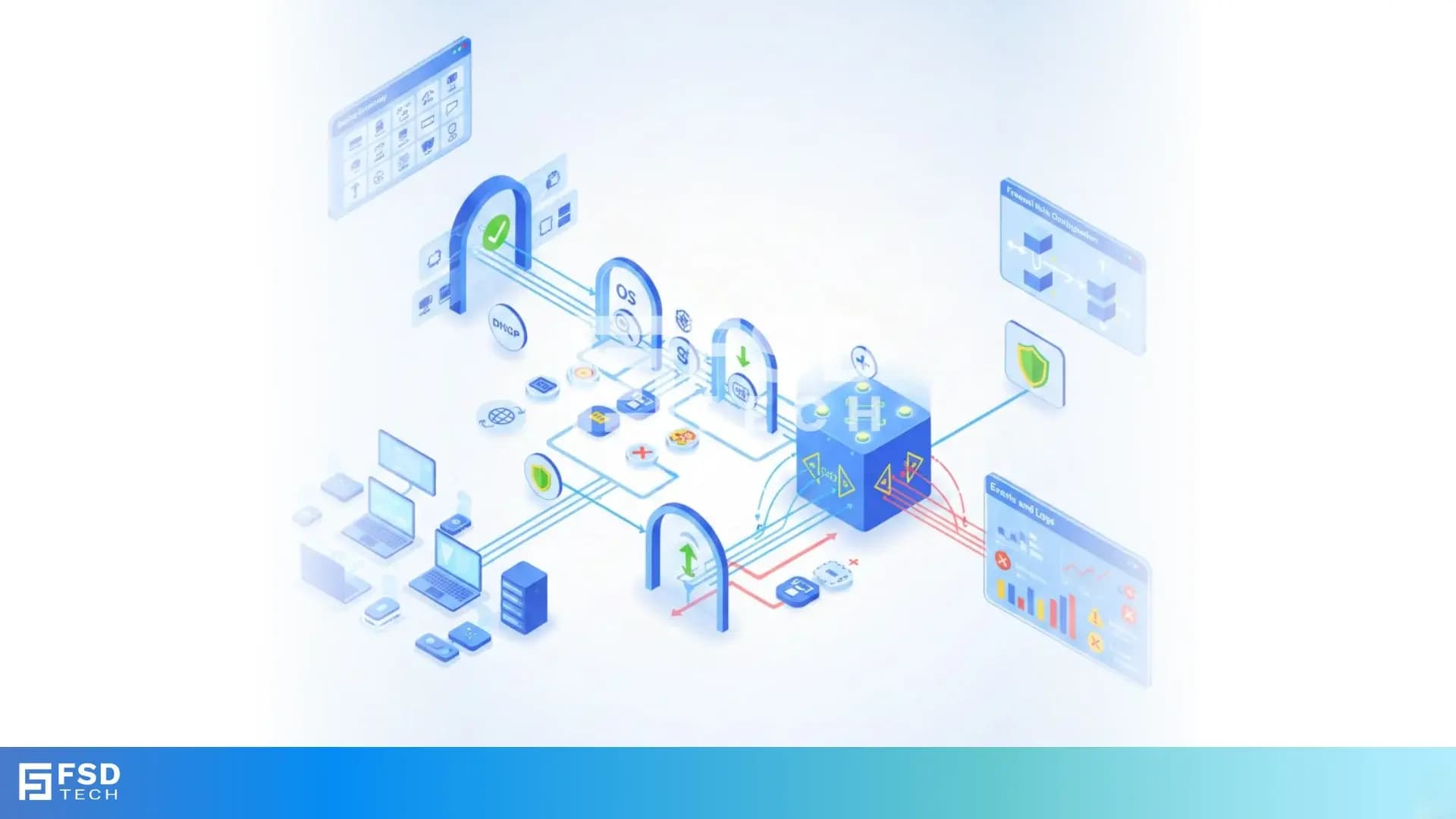
Cato IoT/OT discovery is built on passive network analysis, not endpoint software.
Using traffic that already traverses the network, Cato:
This discovery is continuous, not a one-time scan.
Discovered devices are surfaced inside the Cato Device Inventory, where IT, IoT, and OT assets appear together in a single view.
For each device, Cato provides:
This unified inventory eliminates blind spots and creates a single source of truth for device visibility.
Cato’s approach delivers outcomes that agent-based tools cannot:
No changes to device firmware, configuration, or lifecycle.
No SPAN ports, sensors, or inline appliances required.
Visibility extends across sites, remote locations, and cloud-connected environments.
Devices are identified and updated as they communicate—without scheduled scans.
This makes IoT/OT visibility operationally sustainable, not just technically possible.
Discovery alone is not the goal.
It is the foundation.
Once devices are identified:
Cato deliberately separates discovery from enforcement, allowing organizations to move at their own pace—from awareness to control.
Zero Trust is often associated with users and endpoints.
IoT and OT environments require the same principles—without identities or agents.
Cato enables Zero Trust alignment by:
This extends Zero Trust beyond users to everything that connects.
Security teams gain:
Network teams gain:
This shared visibility reduces friction between teams and simplifies governance.
Cato IoT/OT device discovery enables organizations to:
It turns unmanaged devices into manageable assets—without changing how they operate.
Book a 30-minute Zero Trust architecture consultation

Cato SASE uses passive traffic analysis at the network layer to identify and classify IoT and OT devices, eliminating the need for endpoint agents or additional sensors.
All discovered devices appear in the Cato Device Inventory, providing unified visibility across IT, IoT, and OT environments within the Cato Management Application.
No. Cato SASE performs IoT/OT discovery using existing network traffic, without requiring SPAN ports, inline appliances, or device modifications.
Yes. Cato SASE classifies devices by category, type, and behavior, helping teams differentiate between traditional endpoints and IoT/OT assets.
By making device identity visible at the network level, Cato SASE enables device-aware policies that align IoT and OT environments with Zero Trust principles.
Yes. Cato SASE continuously updates device visibility based on observed traffic, ensuring the inventory reflects active and communicating devices.

Anas is an Expert in Network and Security Infrastructure, With over seven years of industry experience, holding certifications Including CCIE- Enterprise, PCNSE, Cato SASE Expert, and Atera Certified Master. Anas provides his valuable insights and expertise to readers.
Share it with friends!




.webp&w=3840&q=75)


.webp&w=3840&q=75)
share your thoughts