.webp&w=3840&q=75)
How ClickUp Enables Outcome-Based Project Management (Not Just Task Tracking)
🕓 February 15, 2026
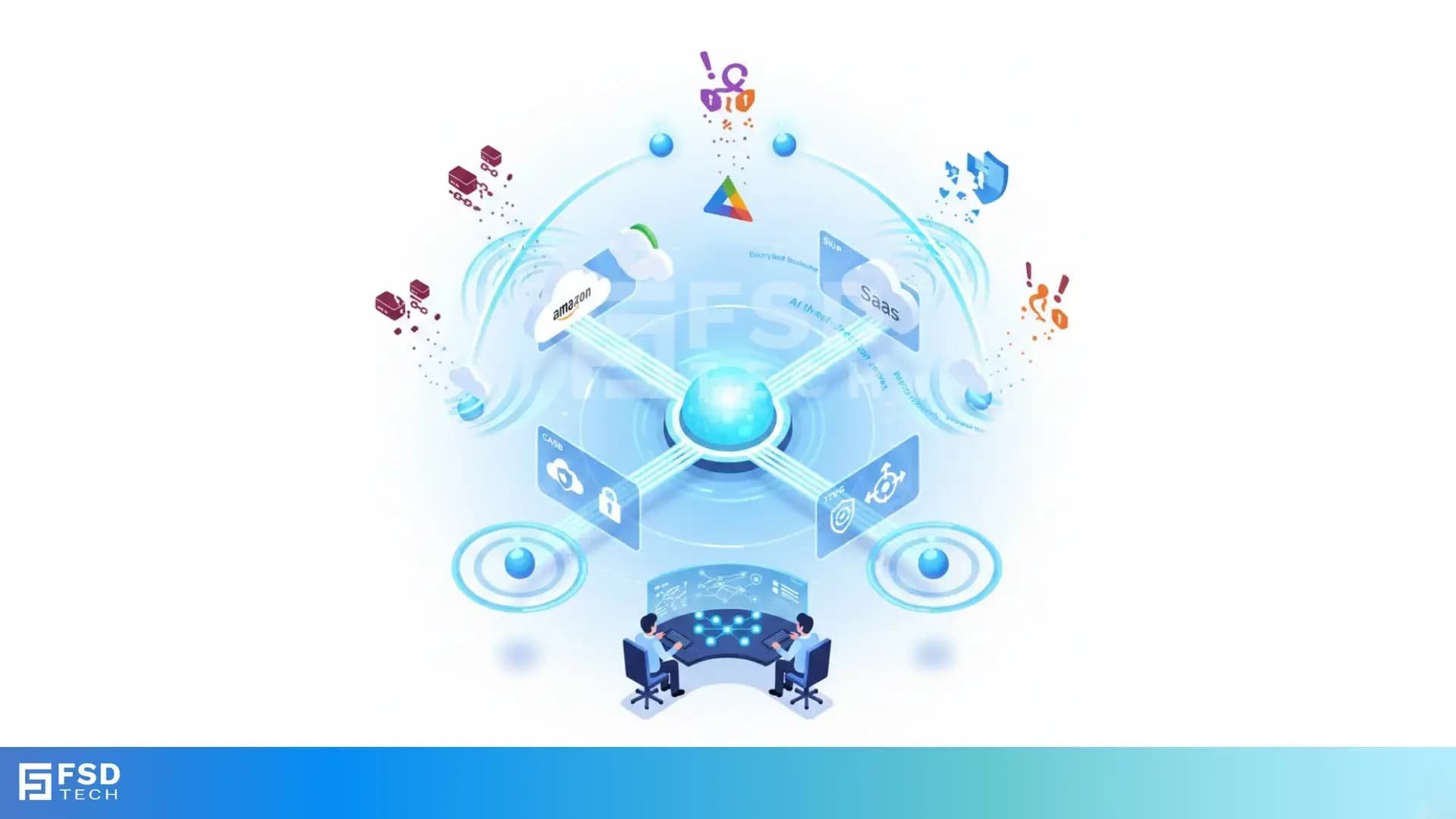
The adoption of multi-cloud strategies—leveraging AWS, Azure, Google Cloud, and a growing array of SaaS platforms—has become standard for organizations seeking agility and resilience. However, this approach introduces significant security complexity. Each cloud provider offers distinct controls, monitoring tools, and compliance frameworks, making it difficult to maintain consistent oversight and policy enforcement.
Traditional security models, often built on a patchwork of on-premises appliances and disparate point solutions, are ill-suited for the dynamic, borderless nature of multi-cloud environments. These legacy approaches struggle to scale, resulting in fragmented visibility, inconsistent policy application, and increased exposure to data loss and identity compromise.
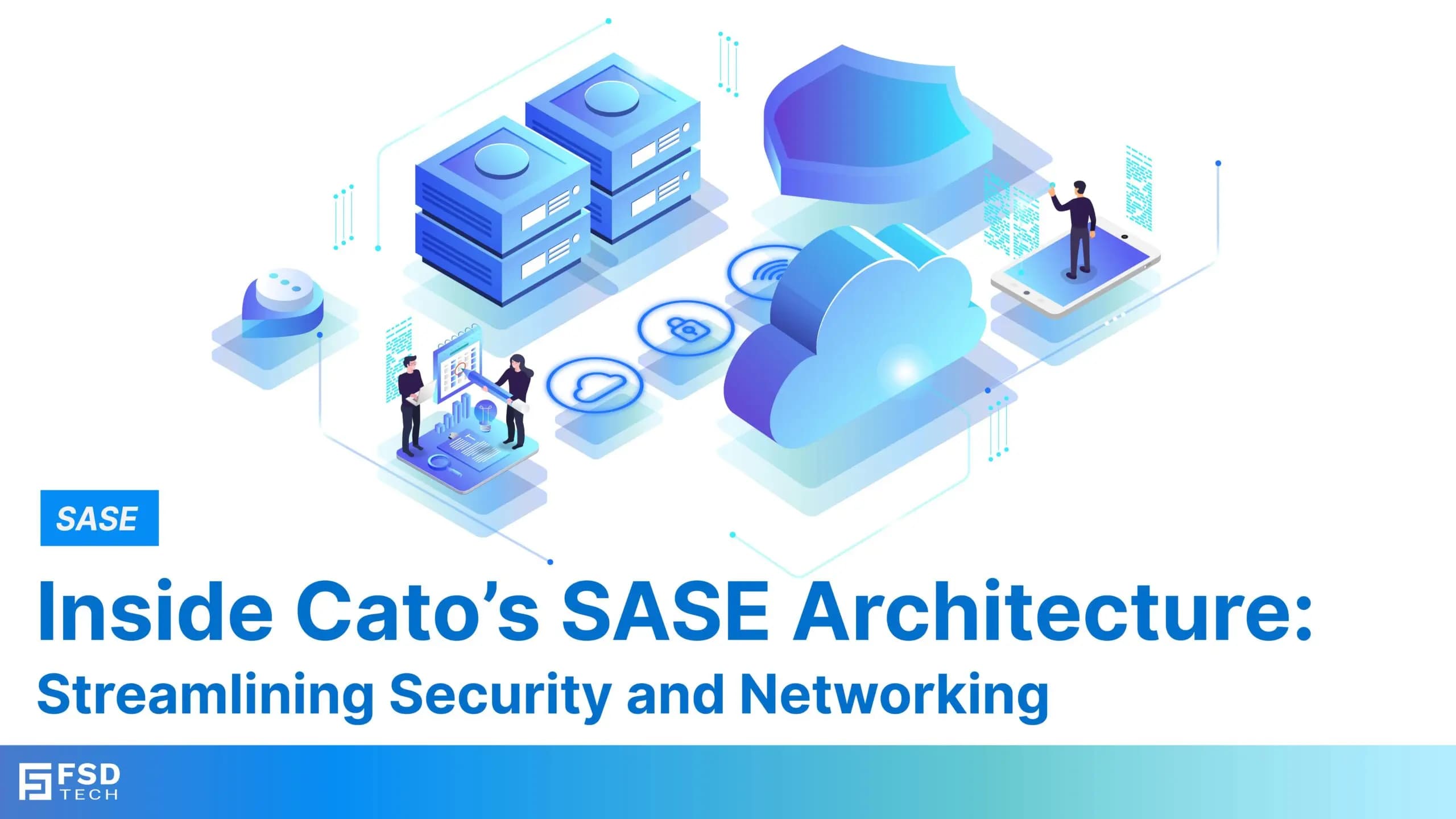
Cato SASE addresses the core challenge of multi-cloud security by providing centralized policy control for all enterprise resources—across public clouds, private data centers, and remote users. Security teams can define and enforce access, data protection, and compliance policies from a single, intuitive interface.
This unified approach not only reduces risk but also accelerates digital transformation by enabling secure, agile adoption of new technologies.
Cato’s integrated Cloud Access Security Broker (CASB) and Data Loss Prevention (DLP) capabilities provide deep, real-time visibility into cloud application usage and sensitive data movement.
Use Case:
A global retailer with development teams in multiple countries faced data leakage via unsanctioned SaaS apps. With Cato’s CASB and DLP, they identified shadow IT, enforced granular controls, and prevented sensitive data from leaving the organization.
Cato SASE incorporates Zero Trust Network Access (ZTNA) to enforce least-privilege access, verifying user identity and device posture before granting application access—regardless of user location.
GCC Example:
A regional bank migrating workloads to AWS and Azure struggled with inconsistent access controls and visibility. Deploying Cato SASE via FSD Tech unified policy enforcement, delivered end-to-end visibility, and ensured compliance with local data sovereignty laws.
Cato SASE connects all enterprise sites, users, and cloud resources through a private, encrypted backbone spanning over 80 global Points of Presence (PoPs). This architecture ensures that data is protected in transit and that performance is optimized globally.
Performance Example:
An oil & gas firm replaced legacy MPLS and VPN appliances with Cato’s encrypted backbone, reducing latency for remote engineers and securing data flows between cloud platforms and field offices.
| Feature | Traditional Security | Cato SASE Backbone |
|---|---|---|
| Infrastructure | On-premises appliances | Cloud-native, global PoPs |
| Scalability | Limited | Highly scalable |
| Security Tools | Multiple, fragmented | Integrated, unified |
| Performance | High latency, variable | Optimized, predictable |
| Management Complexity | High | Centralized, simplified |
Cato’s backbone eliminates the unpredictability and risk of public internet routing, delivering a future-ready platform that evolves with business needs.
Cato SASE leverages artificial intelligence and machine learning (AI/ML) to detect threats and automate response actions in real time.
Centralized logging, reporting, and policy enforcement streamline compliance with global and regional regulations, including GDPR and GCC-specific data residency laws.
FSD Tech is the GCC’s regional enabler for Cato SASE, bridging global innovation with local execution. Their expertise ensures that organizations in the Middle East can confidently adopt and optimize Cato SASE for their unique requirements.
A leading healthcare provider in the GCC partnered with FSD Tech to secure patient data across multiple clouds. With Cato SASE, they achieved unified policy enforcement, real-time monitoring, and compliance with local health data regulations—all with minimal operational overhead.
| Multi-Cloud Risk | Cato SASE Feature(s) Addressing It | Benefit |
|---|---|---|
| Fragmented Visibility | CASB, SWG, Centralized Management | Unified monitoring, single-pane-of-glass |
| Data Loss/Exfiltration | DLP, CASB, Encrypted Backbone | Prevents leaks, secures data in transit |
| Identity Compromise | ZTNA, Identity-Based Policies | Least-privilege, continuous verification |
| Compliance Gaps | Centralized Policy, Reporting, FSD Tech | Simplified, regionally aligned |
| Performance Bottlenecks | Global Private Backbone, SD-WAN | Optimized, reliable connectivity |
| Manual Security Updates | Self-Maintaining Cloud Platform | Always up-to-date, reduced overhead |
Achieve Multi-Cloud Compliance Without Complex it . FSD Tech helps UAE & GCC organizations adopt Cato SASE with full alignment to local data residency, privacy, and audit requirements → Schedule a Compliance-Ready SASE Consultation Now
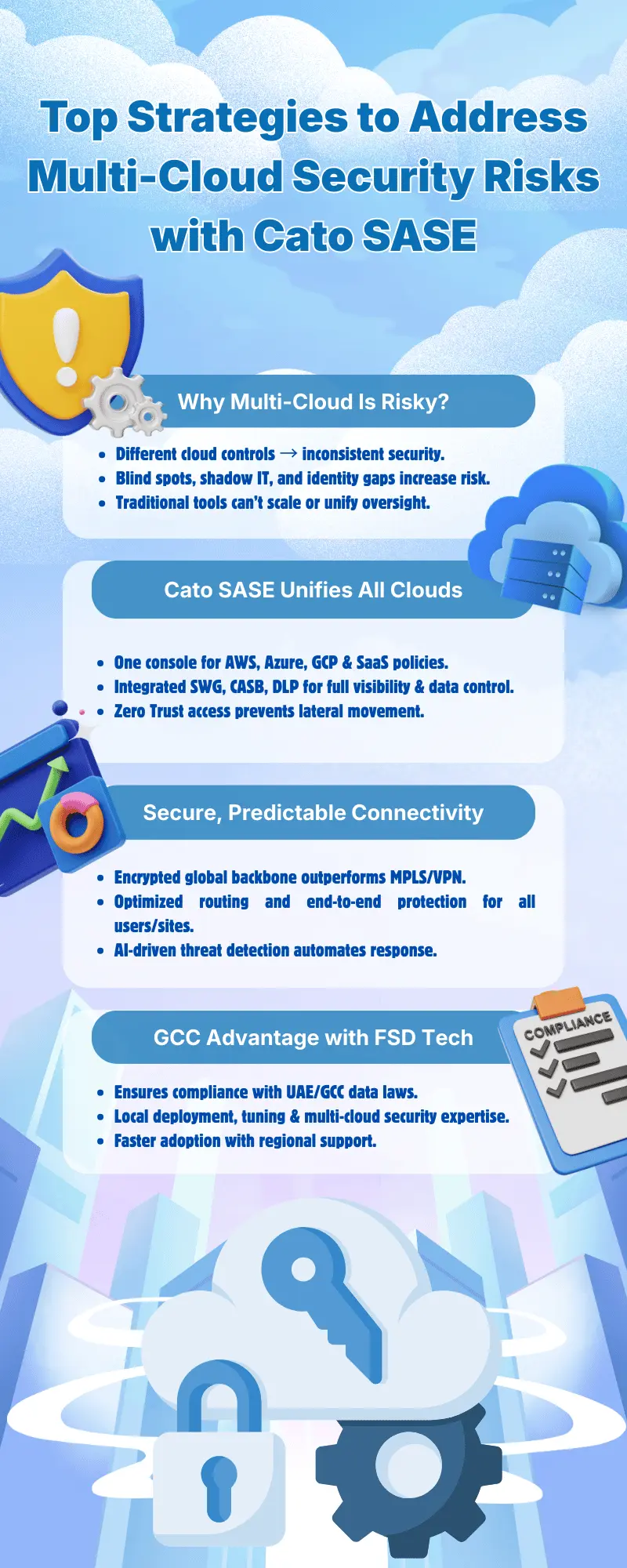
Cato SASE integrates Cloud Access Security Broker (CASB) and Secure Web Gateway (SWG) capabilities to monitor and control all cloud application traffic. This provides a single-pane-of-glass view of user activity, application usage, and data movement across AWS, Azure, Google Cloud, and SaaS platforms. Security teams can quickly identify shadow IT, anomalous behavior, and potential compliance risks from one unified dashboard.
Yes, Cato SASE’s centralized policy control, detailed logging, and automated reporting simplify compliance management for global and regional regulations. FSD Tech’s regional expertise ensures that deployments in the GCC are aligned with local data residency, privacy, and regulatory mandates, supporting organizations in meeting both international and local compliance standards.
Unlike fragmented, appliance-based approaches that require separate tools for each environment, Cato SASE delivers all security functions as a unified, cloud-native service. This reduces management complexity, eliminates coverage gaps, and scales seamlessly as organizations add new cloud platforms or users.
Cato’s private, encrypted backbone interconnects all enterprise sites, users, and cloud resources, ensuring that data in transit is protected from interception and tampering. Unlike public internet routing, which is unpredictable and exposes traffic to potential threats, Cato’s backbone delivers consistent performance and end-to-end security.
Deployment is rapid and streamlined, thanks to zero-touch provisioning and seamless integration with both cloud and on-premises resources. FSD Tech’s local teams in the GCC further accelerate adoption by providing hands-on support and ensuring alignment with regional requirements.
FSD Tech acts as the GCC’s regional enabler for Cato SASE, offering deep expertise in local compliance, rapid deployment, and ongoing optimization. Their involvement ensures that organizations benefit from global best practices while meeting the unique demands of the Middle East regulatory landscape.
Cato’s integrated DLP and CASB capabilities monitor data movement across all cloud platforms and user endpoints. The platform can detect and block unauthorized sharing, transfer, or exfiltration of sensitive data, whether in SaaS, IaaS, or between users, supporting robust multi-cloud data protection.
Yes, Cato SASE’s Zero Trust Network Access (ZTNA) ensures that only authenticated users and compliant devices can access applications, regardless of location. This enables secure, flexible remote work while maintaining strict access controls and continuous verification.
The platform’s CASB functionality provides granular visibility into all cloud application usage, including unsanctioned or shadow IT services. Security teams can monitor, control, and, if necessary, block access to unauthorized apps, reducing risk and supporting compliance.
Cato’s global private backbone delivers optimized, predictable connectivity with lower latency and higher reliability compared to traditional MPLS or VPN solutions. This is particularly valuable for organizations with distributed users, cloud workloads, and latency-sensitive applications.
Cato SASE leverages AI/ML to analyze traffic patterns, detect anomalies, and identify emerging threats in real time. Automated playbooks enable rapid response, reducing the time and effort required for manual investigation and remediation.
Absolutely. Cato SASE is designed to unify security and networking across cloud, on-premises, and remote resources. Centralized policy control and integrated security features ensure consistent protection and visibility, regardless of where workloads reside.
By consolidating all security functions—firewall, SWG, CASB, DLP, ZTNA, and more—into a single cloud-native platform, Cato SASE eliminates the need to manage multiple point solutions. This reduces operational overhead and enables faster, more effective response to threats.
Cato SASE offers comprehensive logging, real-time monitoring, and automated compliance reporting. Security teams can generate detailed audit trails for all access and data movement, supporting both internal governance and external regulatory requirements.
The platform’s cloud-native architecture is self-maintaining, with continuous updates to security features and compliance controls. FSD Tech’s regional support ensures that deployments remain aligned with changing GCC and international regulations, reducing compliance risk.
Yes, Cato SASE supports integration with leading identity providers for single sign-on and multi-factor authentication, as well as with SIEM platforms for advanced analytics and incident response. This enables organizations to leverage existing investments while enhancing overall security posture.

Anas is an Expert in Network and Security Infrastructure, With over seven years of industry experience, holding certifications Including CCIE- Enterprise, PCNSE, Cato SASE Expert, and Atera Certified Master. Anas provides his valuable insights and expertise to readers.
Share it with friends!

.webp&w=3840&q=75)
.webp&w=3840&q=75)
share your thoughts