.webp&w=3840&q=75)
How ClickUp Enables Outcome-Based Project Management (Not Just Task Tracking)
🕓 February 15, 2026
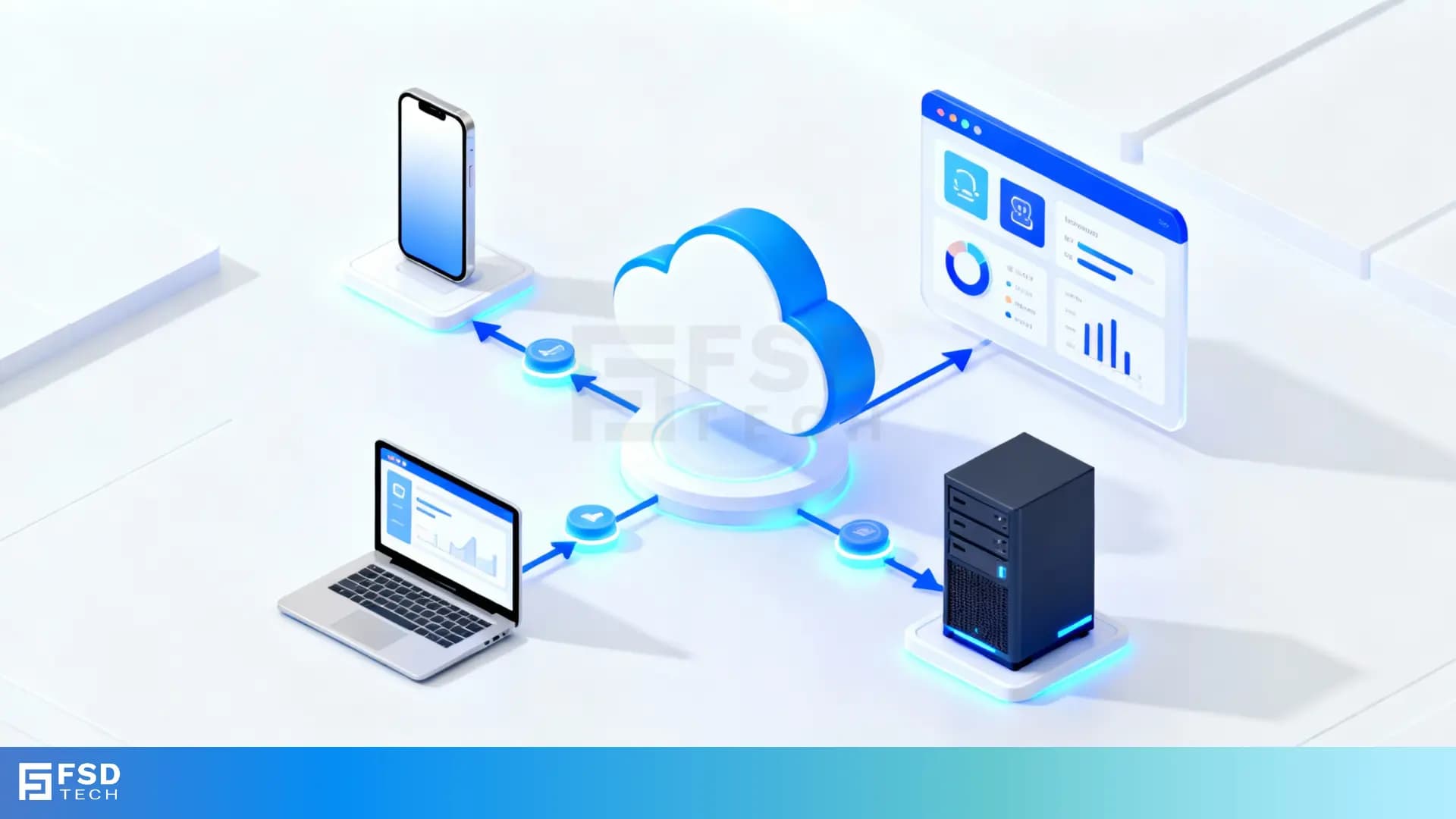
As cloud computing, remote work, and complex digital infrastructures become more common, traditional network security models struggle. This is where SASE, or Secure Access Service Edge, comes in. It’s a new architecture that changes how organizations approach secure connectivity and network protection. But what is SASE, and why is it becoming important today?
Over 1.5 million remote users at 3,500+ enterprise customers globally rely on Cato Networks for security.
SASE is a cloud-based framework that combines key networking and security functions into one platform. It provides fast, reliable, and secure access for users, whether they work from headquarters, branch offices, or anywhere in the world.
The core foundation of SASE is built on technologies such as software-defined wide area networking (SD-WAN), Secure Web Gateways (SWG), Firewall-as-a-Service (FWaaS), and Zero Trust Network Access (ZTNA), which form its essential architecture.
Further, Cloud Access Security Broker (CASB), Data Loss Prevention (DLP), and Remote Browser Isolation (RBI) serve as complementary capabilities that further extend and enhance the overall SASE security suit.
By bringing these functions together into a single cloud service, SASE simplifies network management and strengthens security across all areas. It offers seamless protection and a superior user experience in our increasingly digital and hybrid world.
At FSD-Tech, we proudly offer Cato SASE as a top cloud-native Secure Access Service Edge solution. As an authorized partner, we specialize in deployment, integration, and ongoing support tailored for organizations in the GCC region.
Our expertise ensures that your Cato SASE implementation provides strong security, smooth network performance, and scalability tailored to your business needs.
CTA: Get Started with CATO SASE Today!
As cloud, remote work, and distributed apps become the norm, traditional perimeter security breaks down. Secure Access Service Edge (SASE) converges networking and security as a cloud service—delivering identity-based access, consistent policy, and threat protection at the edge.
It’s gaining importance because it reduces complexity, improves performance for remote users, and gives IT Infra & Security teams one place to control access across users, locations, and clouds.
Traditional perimeter-based security can no longer protect businesses effectively in a cloud-first, remote-work environment. Data and users are everywhere, and access comes from many devices and locations. Here’s how SASE tackles these issues:
Unlike earlier generations of security systems (whether firewalls or Unified Threat Management appliances) which inspected traffic on-premises at the network edge, SASE inspects and secures traffic near the user’s location using a distributed cloud-based architecture.
This reduces latency and improves performance by leveraging the "Space Engine," a lightweight socket technology that channels traffic to an elastic cloud service distributed across over 80 points of presence (POPs). Inspection is thus globally distributed based on load, rather than centralized in fixed data centers.
SASE requires strict identity verification for every user and device. It gives access only to authorized resources, lowering the risks of breaches.
Organizations benefit from a single interface to monitor and manage networking and security policies. This reduces complexity and increases agility.
SASE’s cloud design can adjust quickly to shifting business needs, making it easy to support hybrid workforces and cloud applications.
By merging multiple point solutions into one platform, SASE cuts infrastructure costs, simplifies vendor management, and improves operational efficiency.
Also Read:
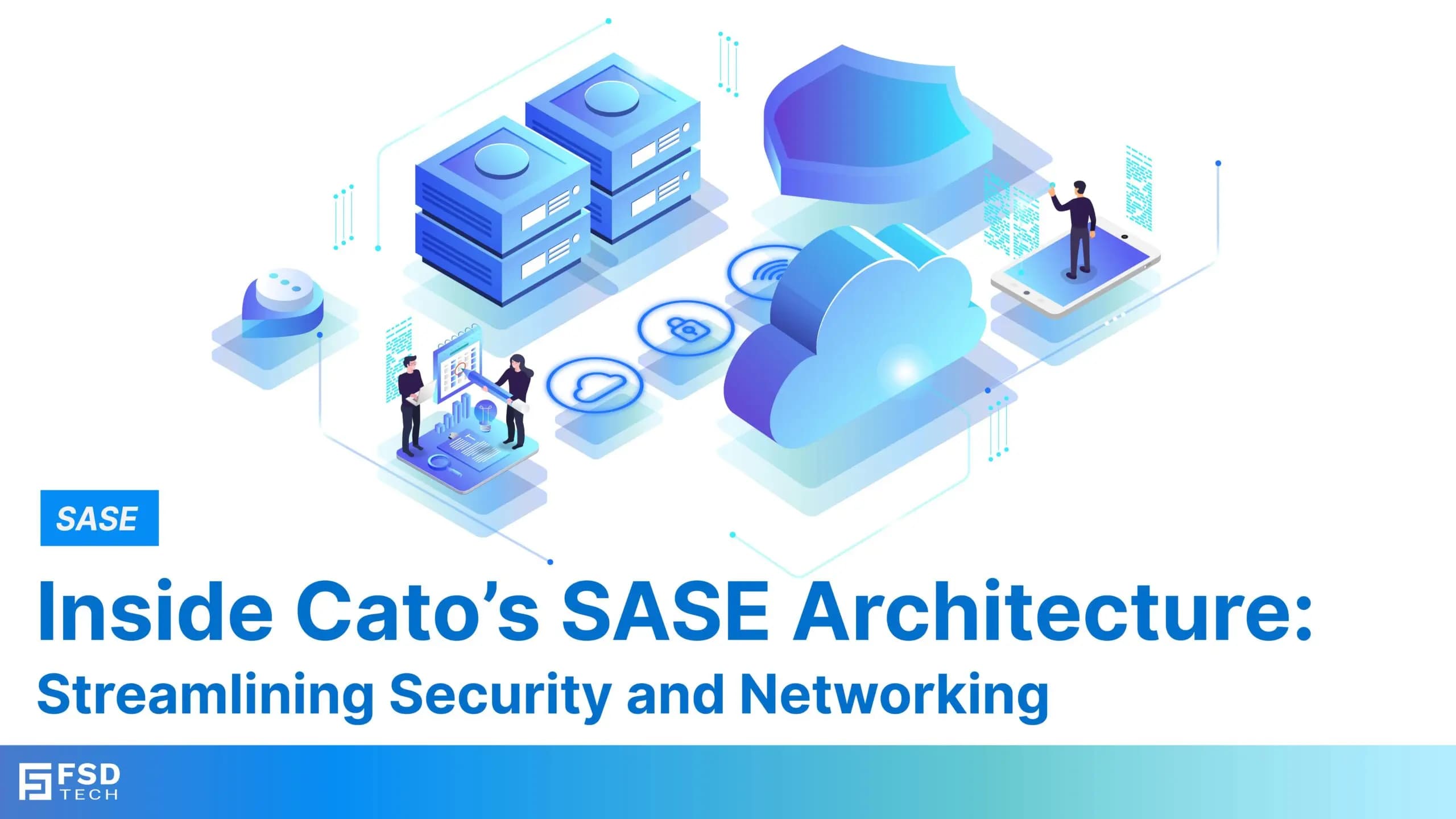
Inside Cato’s SASE Architecture
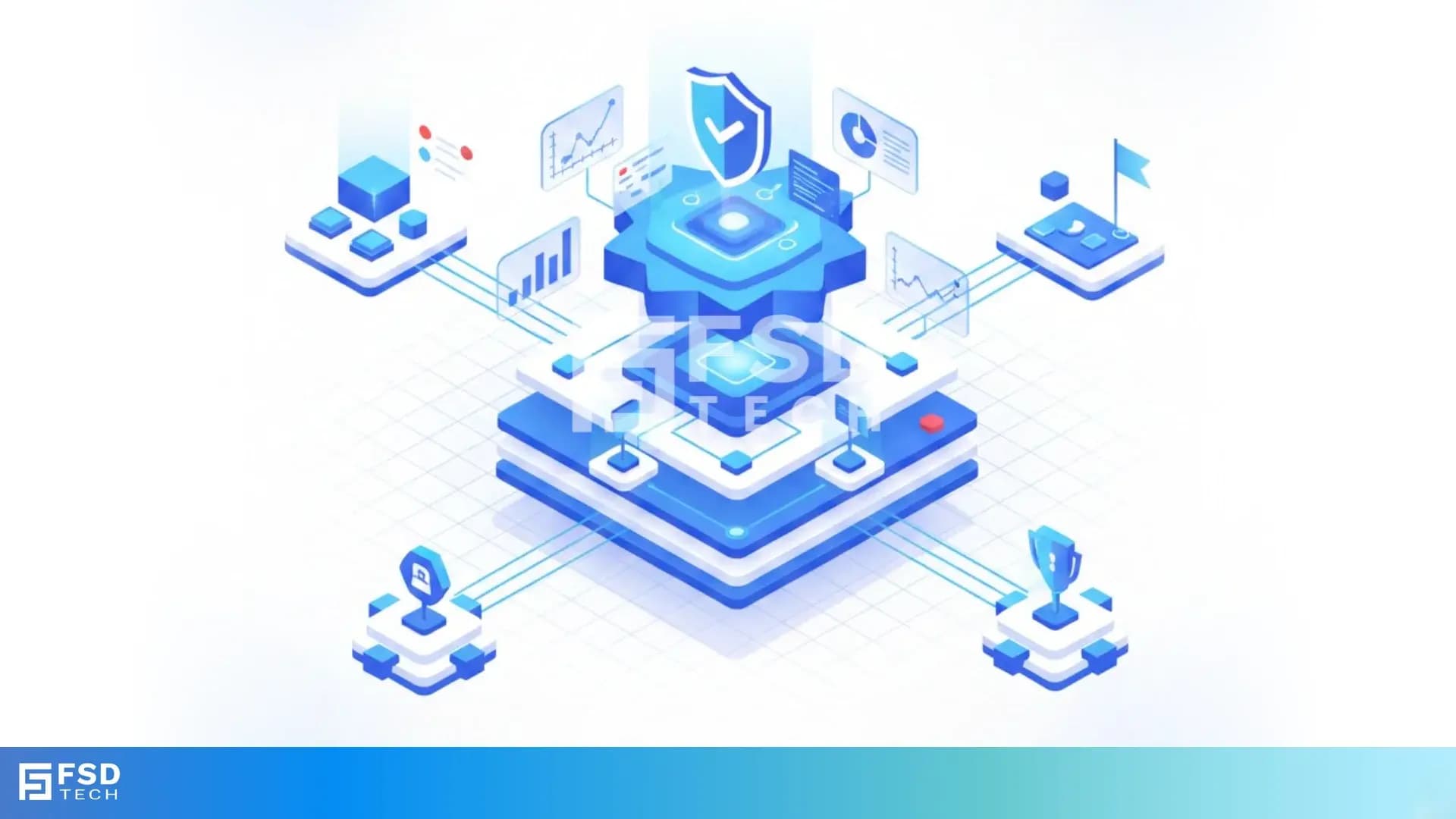
SASE integrates various security and networking functions into one architectural framework:
Complementary Capabilities in the Extended SASE Suite
Businesses that adopt SASE see multiple benefits:
With Cato SASE from FSD-Tech, businesses gain not only robust security and superior cloud connectivity but also personalized service. We help you replace costly legacy VPNs and MPLS with advanced SD-WAN, Zero Trust Network Access, and full threat protection delivered via Cato’s global private backbone.
Our 24/7 monitoring, AI-powered threat detection, and regulatory compliance support empower your IT teams to maintain a strong security posture effortlessly.
Also Read:
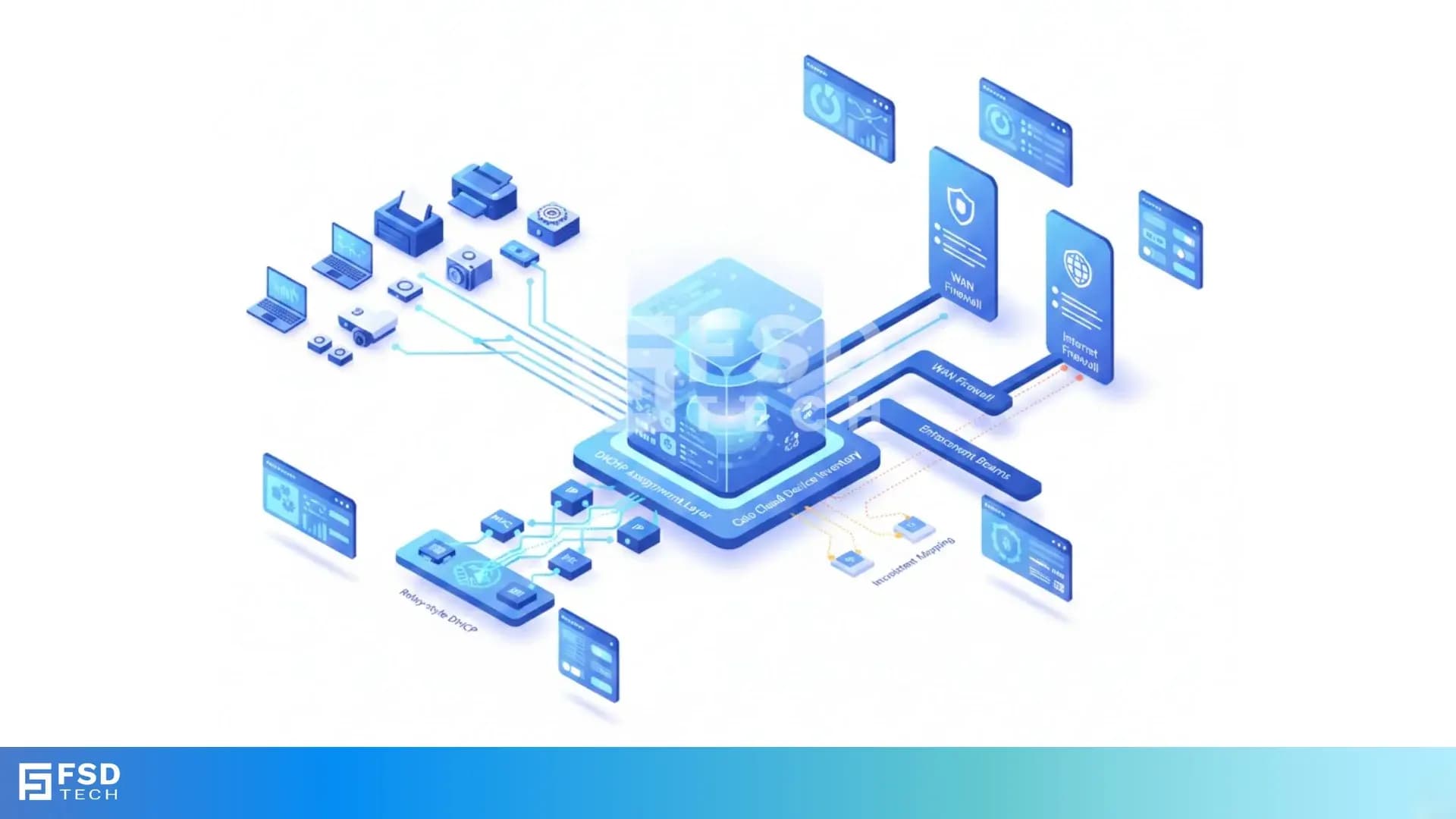
Unified Device Visibility: Enhancements to Cato’s Device Inventory
Suppose your employees connecting globally from offices, homes, or public networks. Traditional VPNs send traffic through fixed data centers, causing delays and issues. SASE changes this by providing security and optimal connectivity at the network edge, close to users.
The user’s device connects first to the nearest SASE point of presence. Their identity and device status are verified under zero trust rules. Then, traffic is directed straight to the cloud application or data center, being inspected along the way by integrated security features.
This method speeds up connections, reduces overhead, and ensures consistent security across all access points.
SASE is suitable for:
Secure Access Service Edge (SASE) changes network security by combining connectivity and security into a unified, cloud-native platform. Its zero trust foundation, scalability, and integrated architecture make it a key solution for today’s cloud-focused organizations.
CTA: Talk to our CATO SASE Experts
No, SASE can be scaled for businesses of all sizes, from small to large corporations.
SASE provides faster, local security enforcement with zero trust controls, while VPNs send all traffic to fixed centers.
Yes, SASE can often work easily with current WAN designs and security tools during the transition.
SASE guards against malware, data breaches, unauthorized cloud access, phishing attacks, and insider threats.
Cloud-based delivery methods allow faster deployment than traditional security devices and complicated setups.


Surbhi Suhane is an experienced digital marketing and content specialist with deep expertise in Getting Things Done (GTD) methodology and process automation. Adept at optimizing workflows and leveraging automation tools to enhance productivity and deliver impactful results in content creation and SEO optimization.
Share it with friends!


.webp&w=3840&q=75)
.webp&w=3840&q=75)
share your thoughts