HomeNext Gen IT-InfraMonitoring & ManagementCyber SecurityBCP / DRAutomationDecoded
Next Gen IT-Infra
Cato’s SASE Supports Cybersecurity Skills Development

How Cato’s SASE Supports Cybersecurity Skills Development

🕓 April 8, 2025

How SASE Supports the Security Needs of SMBs

How SASE Supports the Security Needs of SMBs

🕓 February 9, 2025

Attack Surface Reduction with Cato’s SASE

Attack Surface Reduction with Cato’s SASE

🕓 February 10, 2025

SASE for Digital Transformation in UAE

SASE for Digital Transformation in UAE

🕓 February 8, 2025

Monitoring & Management
Understanding Atera’s SLA Management

Understanding Atera’s SLA Management

🕓 February 7, 2025

Cost-Performance Ratio: Finding the Right Balance in IT Management Networks

Cost-Performance Ratio: Finding the Right Balance in IT Management Networks

🕓 June 16, 2025

Customizing Atera with APIs

Customizing Atera with APIs

🕓 March 3, 2025

Power Up Your IT Team’s Strategy with Atera’s Communication Tools

Power Up Your IT Team’s Strategy with Atera’s Communication Tools

🕓 February 8, 2025

Cyber Security
Illustration of the Cato Cloud architecture showing its role in delivering SASE for secure, optimized global connectivity.

Understanding the Cato Cloud and Its Role in SASE

🕓 January 29, 2025

Isometric illustration of professionals managing network performance, bandwidth analytics, and cloud-based optimization around the Cato Networks platform, symbolizing bandwidth control and QoS visibility.

Mastering Bandwidth Control and QoS in Cato Networks

🕓 July 26, 2025

Global network backbone powering Cato SASE solution for secure, high-performance connectivity across regions.

Global Backbone: The Engine Powering Cato’s SASE Solution

🕓 January 30, 2025

Illustration of team analyzing application traffic and usage insights on a large laptop screen using Cato’s dashboard, surrounded by network and cloud icons.

Cato Networks Application Visibility | Monitoring & Control

🕓 July 27, 2025

BCP / DR
Illustration showing diverse business and IT professionals collaborating with cloud, backup, and security icons, representing Vembu use cases for SMBs, MSPs, and IT teams.

Who Uses Vembu? Real-World Use Cases for SMBs, MSPs & IT Teams

🕓 July 12, 2025

Graphic showcasing Vembu’s all-in-one backup and disaster recovery platform with icons for cloud, data protection, and business continuity for IT teams and SMBs.

What Is Vembu? A Deep Dive Into the All in One Backup & Disaster Recovery Platform

🕓 July 6, 2025

Illustration showing Vembu backup and disaster recovery system with cloud storage, server racks, analytics dashboard, and IT professionals managing data.

The Rising Cost of Data Loss: Why Backup Is No Longer Optional?

🕓 August 14, 2025

3D isometric illustration of cloud backup and data recovery infrastructure with laptop, data center stack, and digital business icons — FSD Tech

RPO & RTO: The Heart of Business Continuity

🕓 August 15, 2025

Automation
Cross-Functional Collaboration with ClickUp

Fostering Cross-Functional Collaboration with ClickUp for Multi-Departmental Projects

🕓 February 11, 2025

ClickUp Project Reporting

Revolutionizing Enterprise Reporting with ClickUp’s Advanced Analytics and Dashboards

🕓 June 16, 2025

ClickUp’s Design Collaboration and Asset Management Tools

Empowering Creative Teams with ClickUp’s Design Collaboration and Asset Management Tools

🕓 February 26, 2025

ClickUp Communication and Collaboration Tools

ClickUp Communication and Collaboration Tools: Empowering Remote Teams

🕓 March 12, 2025

Decoded
Multi-Factor Authentication (MFA)

Multi-Factor Authentication (MFA): All You Need to Know

🕓 December 7, 2025

L3 Switch

What Is an L3 Switch? L2 vs L3 & Why You Need Layer 3?

🕓 December 8, 2025

xOPs

What is xOPs? Modern Managed SASE Security

🕓 April 8, 2026

Cato Sockets

Cato Sockets Explained: SASE Site Connectivity

🕓 April 8, 2026

    Subscribe to our newsletter!

    About Us

    Follow Us

    Copyright © 2024 | Powered by 

    Atera

    (60)

    Cato Networks

    (131)

    ClickUp

    (78)

    FishOS

    (7)

    Miradore

    (21)

    PointGuard AI

    (9)

    Vembu

    (22)

    Xcitium

    (33)

    ZETA HRMS

    (79)

    Table of Contents

    Cybersecurity for SMBs in GCC & Africa: Real Cost of a Data Breach and How to Prevent It

    Anas Abdu Rauf
    August 30, 2025
    Comments
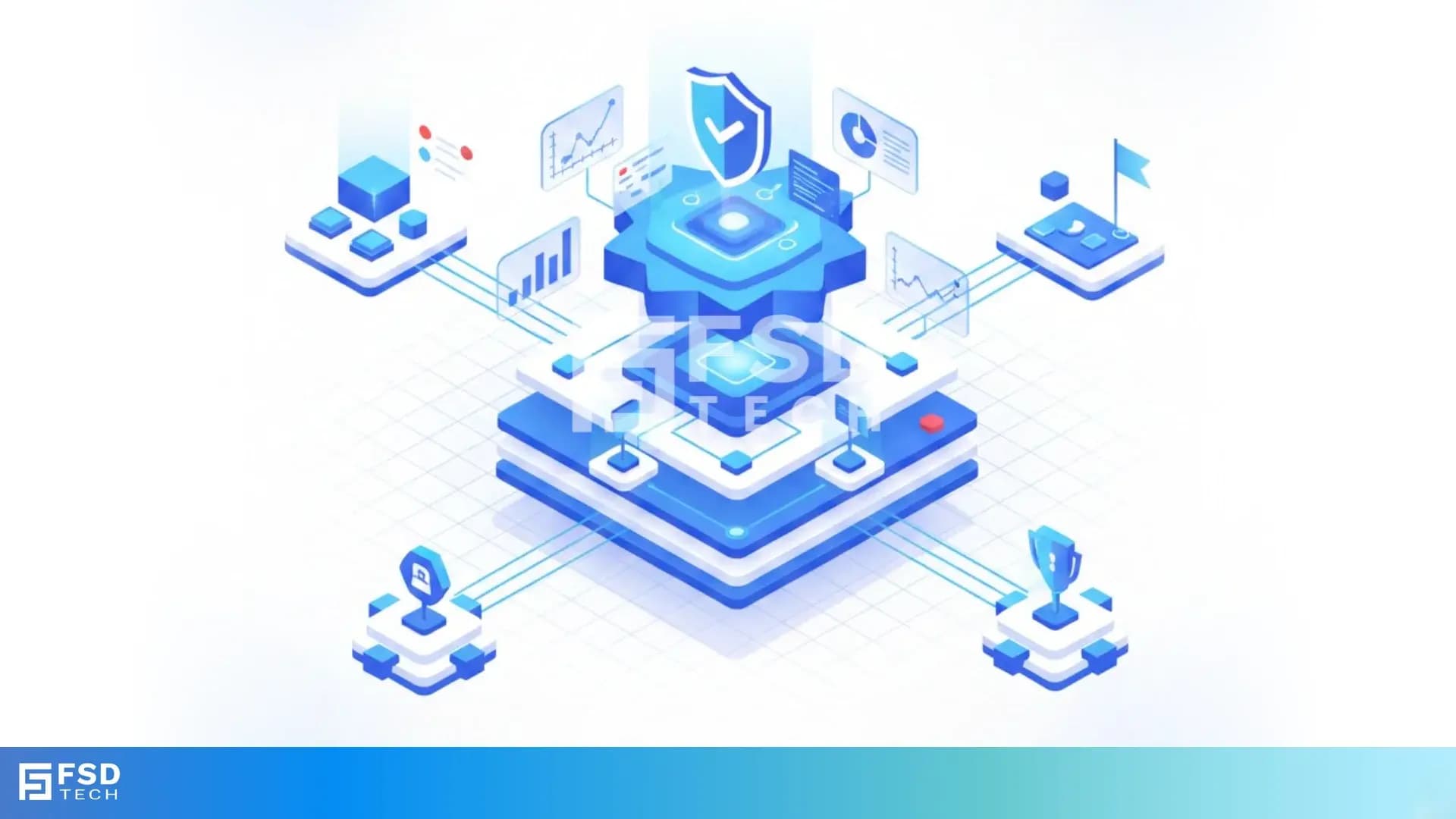
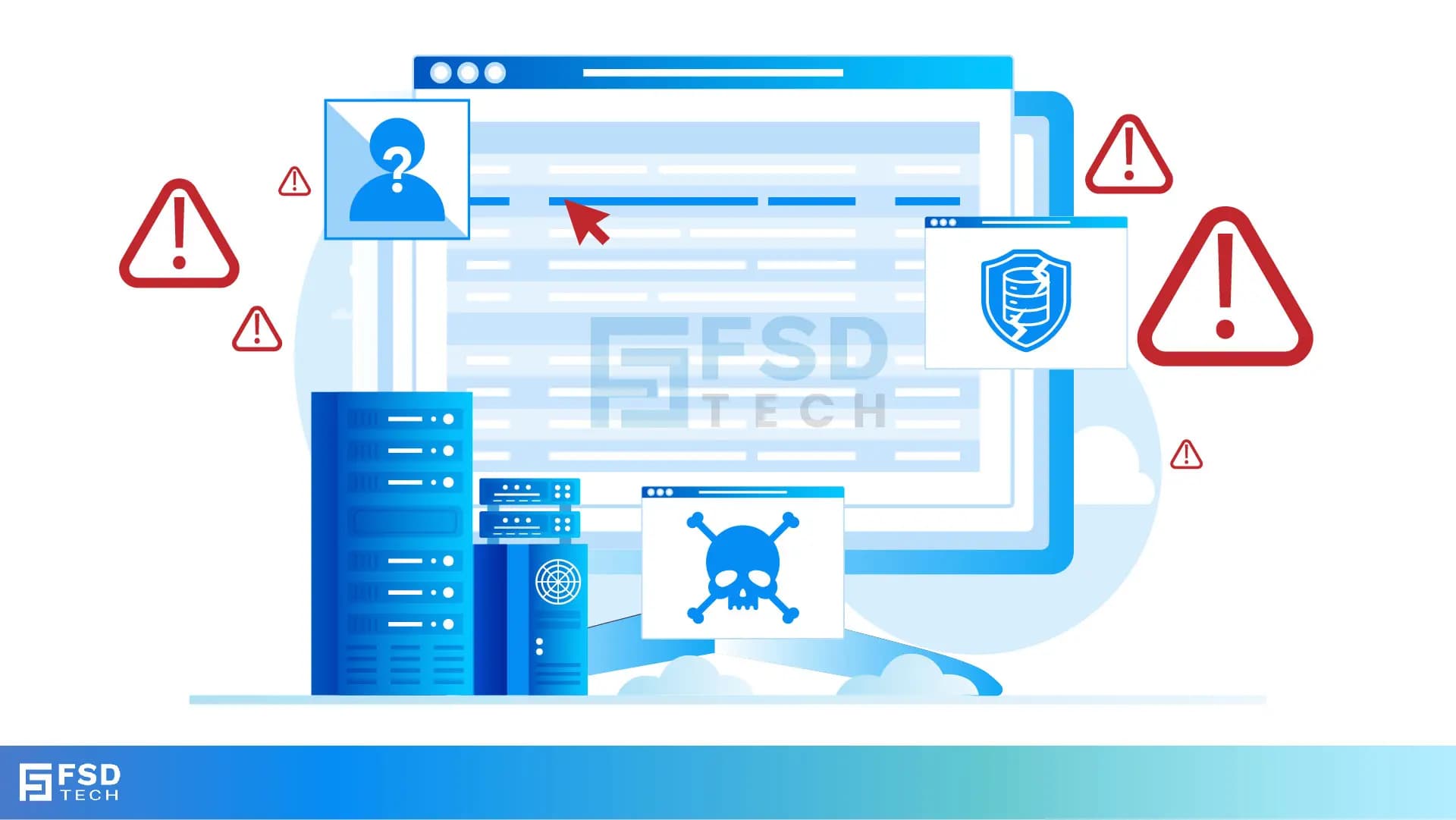
    FSD Tech illustration showing a data breach attack on IT infrastructure. Visual includes red warning icons, hacker intrusion symbols, and a shield representing cybersecurity defense. Depicts risks of ransomware, malware, and compliance violations in enterprise systems.

    Most small and mid-sized business owners in GCC and Africa believe cyberattacks are a corporate problem. They imagine hackers targeting banks, telecom giants, or government agencies, not a 50-person law firm in Nairobi or a regional trading company in Dubai.


    That assumption is exactly what cybercriminals count on.

    In the last two years, more than 60% of cyberattacks across GCC and Africa targeted small and mid-sized businesses. Hackers go after SMBs because they typically have fewer defenses, no round-the-clock monitoring, and limited budgets for recovery. A successful attack on an SMB is faster, cheaper to execute, and almost as profitable as going after a larger target.


    This guide breaks down what a data breach actually costs your business, why SMBs in this region are at higher risk than most owners realize, and what a realistic prevention strategy looks like.


    Why SMBs in GCC and Africa Are Prime Targets for Cybercriminals

    Hackers are rational. They go where the returns are highest relative to the effort required. For years, that meant large enterprises. But as big companies invested heavily in security, attackers shifted their focus to smaller businesses, which offer an easier path to a quick payday.


    Here is what makes SMBs in this region particularly vulnerable:


    • Limited or no dedicated IT security staff
    • Outdated security tools that cannot detect modern threats
    • No 24/7 monitoring, leaving systems exposed outside business hours
    • Rapid growth in remote and hybrid work, with employees connecting on unsecured personal devices
    • Widespread assumption that "we are too small to be a target"


    Cybercriminals have mapped these weaknesses. Ransomware groups in particular target SMBs because ransom demands can be kept low enough that businesses often pay without negotiating, and recovery is nearly impossible without paying.


    Also Read: Troubleshooting Device-Based Firewall Rules in Cato SASE

    The Hidden Costs of a Data Breach

    1. Financial Losses

    Direct losses from ransomware or stolen data can range from $50,000 to over $500,000 for SMBs in GCC & Africa.

    This includes:


    • Paying ransom (even though it’s not guaranteed you’ll get your data back).
    • Lost business during downtime.
    • Emergency IT recovery costs.

    2. Downtime & Lost Productivity

    The average SMB takes 3–6 weeks to recover fully after a breach.

    That’s weeks of:


    • Delayed orders.
    • Lost sales.
    • Idle staff.

    3. Compliance Fines

    If you operate in UAE, KSA, or parts of Africa, you must comply with data protection laws like UAE NESA, KSA NCA, South Africa POPIA, and Nigeria NDPR.

    A breach could mean heavy fines for not protecting sensitive customer data.

    4. Reputation Damage

    Customers who hear about your breach might never trust you again.

    Losing even 10% of your clients due to trust issues can devastate future revenue.


    Don’t let limited IT resources put your business at risk. 


    Click Here 
     

    How to Avoid Becoming a Statistic

    The most effective defense? A multi-layered security approach with EDR + MDR + Zero Dwell Containment.

    EDR – Endpoint Detection & Response

    • Monitors all endpoint activity in real time.
    • Detects suspicious behavior like unusual file changes.
    • Blocks known malware instantly.

    MDR – Managed Detection & Response

    • 24/7 human security team watching your systems.
    • Investigates suspicious alerts.
    • Takes immediate action to contain threats.

    Zero Dwell Containment

    • Isolates every unknown file before it runs.
    • Analyzes in a safe virtual environment.
    • Blocks threats before they can cause harm.


    Also Read: Preventing Insider Threats and Unauthorized Access with Cato SASE’s Context-Aware Security


    Real-World Example

    Case Study – SME in Nairobi

    A mid-sized law firm received an email with what looked like a client PDF.


    • Zero Dwell Containment trapped it before opening.
    • EDR detected it was trying to execute malicious code.
    • MDR team blocked the sender and cleaned the device.


    Result: No breach, no downtime, no legal trouble.


    The ROI of Prevention

    Paying for EDR + MDR + Zero Dwell is far cheaper than paying for a breach.

    Example:


    • Protection cost: $2–5 per endpoint/month.
    • Breach cost: $50,000–$500,000 plus reputational loss.


    It’s like paying a small monthly insurance fee instead of risking financial ruin.


    FSD-Tech’s SMB Advantage in GCC & Africa

    With FSD-Tech, you get:


    • Xcitium’s award-winning EDR.
    • 24/7 MDR team monitoring threats.
    • Zero Dwell Containment built in.
    • Compliance support for GCC & Africa regulations.
    • Affordable monthly plans designed for SMB budgets.


    Ready to secure your SMB with enterprise-grade protection at SMB-friendly pricing? 


    Click Here

    Conclusion – Don’t Wait for a Breach to Act

    Cyberattacks are no longer a “maybe” — they’re a “when”.


    For SMBs in GCC & Africa, the cost of doing nothing is far higher than the cost of prevention.

    With FSD-Tech’s EDR + MDR + Zero Dwell Containment, you can:


    • Prevent breaches before they happen.
    • Avoid financial losses.
    • Stay compliant.
    • Protect your reputation.


     Want to know how much a breach could cost your SMB? Book a free 30-minute cyber health check with our experts. 


    Schedule your session today.
     

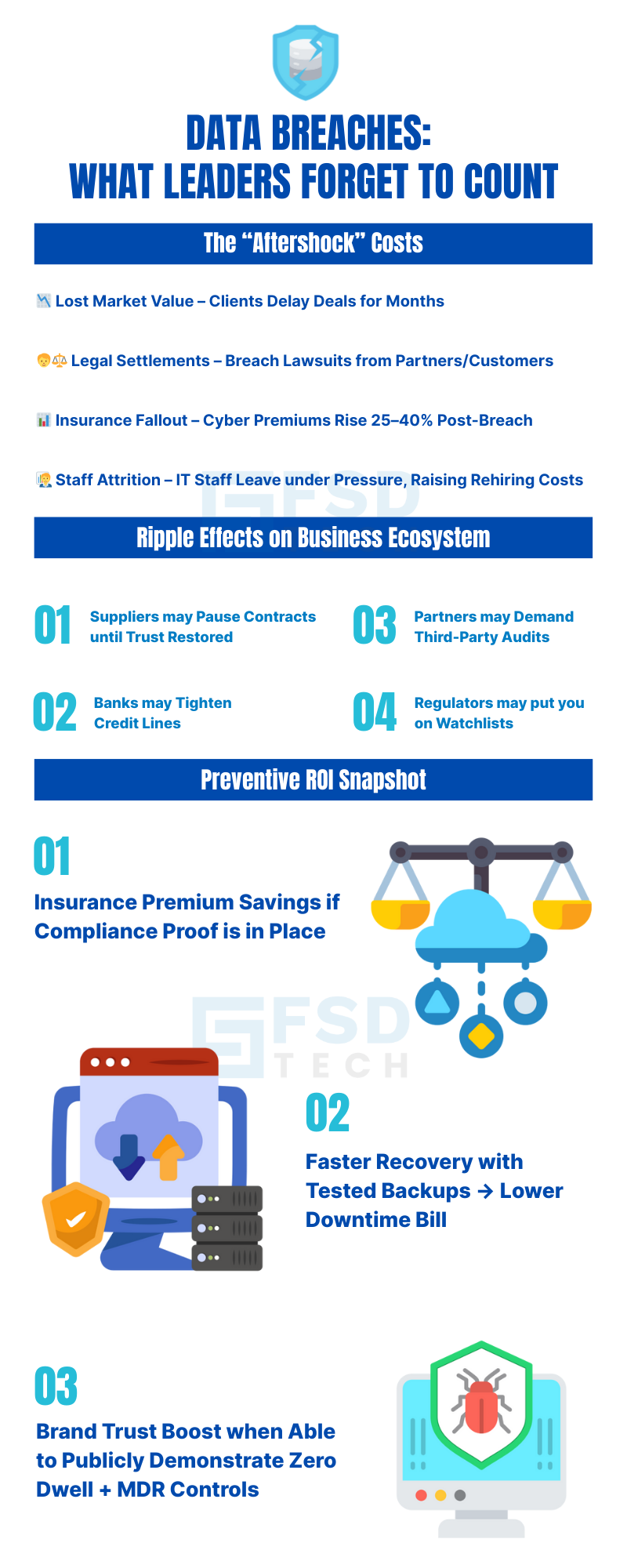
    FSD Tech infographic on hidden costs of data breaches. Highlights aftershock impacts like lost market value, legal settlements, rising cyber insurance premiums, and IT staff attrition. Explains ripple effects including paused supplier contracts, tighter bank credit lines, partner audits, and regulatory watchlists. Preventive ROI snapshot shows insurance savings, faster recovery with tested backups, and brand trust boost from Zero Dwell and MDR controls.

    FAQ

    1. What is a data breach?

    A data breach happens when someone gets into your company’s systems without permission and steals or exposes your data. This could be customer information, business documents, financial records, or anything stored on your computers or servers.


    2. Why are small and mid-sized businesses more at risk in GCC & Africa?

    Because hackers know SMBs often have weaker defenses, smaller IT teams, and no 24/7 monitoring. They see them as easier targets than large corporations.


    3. How much can a data breach cost an SMB?

    In GCC & Africa, the cost can range from $50,000 to $500,000 or more. This includes ransom payments, downtime losses, IT recovery costs, and possible government fines.


    4. What are the hidden costs of a breach?

    Beyond direct money loss, there are:

    • Downtime — your business stops while systems are fixed.
    • Reputation damage — customers lose trust.
    • Compliance penalties — fines for not securing data.


    5. Can I recover all my data if I pay the ransom?

    No guarantee. Many businesses pay and still never get their data back. That’s why prevention is much safer than relying on ransom negotiations.


    6. How long does it take to recover from a breach?

    For most SMBs, full recovery takes 3–6 weeks. That’s weeks of lost productivity, missed sales, and damaged trust.


    7. How can I prevent a data breach?

    Use a multi-layered security approach:

    • EDR to monitor and block threats.
    • MDR for human-led 24/7 monitoring.
    • Zero Dwell Containment to stop new threats instantly.


    8. What is EDR and how does it help?

    EDR (Endpoint Detection & Response) watches all your devices for suspicious actions, stops dangerous behavior, and alerts you instantly.


    9. What is MDR and why do I need it?

    MDR (Managed Detection & Response) adds a team of security experts who monitor your systems all day and night, investigate alerts, and respond to real threats immediately.


    10. What is Zero Dwell Containment?

    It’s technology that isolates every unknown file the moment it appears, checks it in a safe space, and blocks it if it’s dangerous — before it can cause damage.


    11. How does this help with compliance?

    These tools help you meet regional data protection laws like UAE NESA, KSA NCA, South Africa POPIA, and Nigeria NDPR by ensuring sensitive data is secured.


    12. Will this work if my team works remotely?

    Yes. It protects laptops, desktops, and devices no matter where they are — in the office, at home, or on the move.


    13. Is it expensive to get EDR + MDR + Zero Dwell?

    No. FSD-Tech offers SMB-friendly pricing. Protection often costs less than your monthly internet bill — and is far cheaper than a breach.


    14. How quickly can it be installed?

    FSD-Tech can deploy it across all your devices in one business day, without disrupting your work.


    15. Why should I choose FSD-Tech?

    We’re a local GCC & Africa partner offering:

    • Award-winning Xcitium EDR.
    • 24/7 MDR security team.
    • Zero Dwell Containment as standard.
    • Pricing tailored for SMB budgets.
    Cybersecurity for SMBs in GCC & Africa: Real Cost of a Data Breach and How to Prevent It

    About The Author

    Anas Abdu Rauf

    Anas is an Expert in Network and Security Infrastructure, With over seven years of industry experience, holding certifications Including CCIE- Enterprise, PCNSE, Cato SASE Expert, and Atera Certified Master. Anas provides his valuable insights and expertise to readers.

    TRY OUR PRODUCTS

    Like This Story?

    Share it with friends!

    Subscribe to our newsletter!

    FishOSCato SASEVembuXcitiumZeta HRMSAtera
    Isometric illustration of a centralized performance platform connected to analytics dashboards and team members, representing goal alignment, measurable outcomes, risk visibility, and strategic project tracking within ClickUp.

    How ClickUp Enables Outcome-Based Project Management (Not Just Task Tracking)

    🕓 February 15, 2026
    Isometric illustration of a centralized executive dashboard platform connected to analytics panels, performance charts, security indicators, and strategic milestones, representing real-time business visibility and decision control within ClickUp.

    Executive Visibility in ClickUp – How CXOs Gain Real-Time Control Without Micromanaging

    🕓 February 13, 2026

    Cato SASE Architecture

    Inside Cato’s SASE Architecture: A Blueprint for Modern Security

    🕓 January 26, 2025

    Workflow Automation(8)

    Workforce Automation(1)

    AI Project Management(1)

    HR Data Automation(1)

    RMM(2)

    Firewall Security(1)

    IT Workflow Automation(1)

    IT security(2)

    GCC compliance(4)

    Payroll Integration(2)

    IT support automation(3)

    procurement automation(1)

    lost device management(1)

    IT Management(5)

    IoT Security(3)

    Cato XOps(1)

    IT compliance(5)

    Workflow Management(1)

    Task Automation(1)

    OpenStack automation(1)

    AI-powered cloud ops(1)

    Kubernetes lifecycle management(2)

    SMB Security(8)

    Data Security(1)

    MDR (Managed Detection & Response)(3)

    Atera Integrations(2)

    MSP Automation(3)

    Threat Detection & Response(1)

    XDR Security(2)

    SMB Cyber Protection(1)

    Ransomware Defense(3)

    HR Tech Solutions(1)

    Zero Trust Network Access(3)

    Quantum Threat UAE & GCC(1)

    Post-Quantum Cryptography(1)

    Quantum Security(1)

    Zero Trust Security(2)

    Cloud IDE Security(1)

    Endpoint Management(1)

    SaaS Security(2)

    Payroll Automation(5)

    IT Monitoring(2)

    Xcitium EDR SOC(15)

    Ransomware Protection GCC(1)

    Network Consolidation UAE(1)

    M&A IT Integration(1)

    MSSP for SMBs(1)

    SMB Cybersecurity GCC(1)

    FSD-Tech MSSP(25)

    Antivirus vs EDR(1)

    Ransomware Protection(3)

    Managed EDR FSD-Tech(1)

    Endpoint Security(1)

    Cybersecurity GCC(15)

    Data Breach Costs(1)

    Endpoint Protection(1)

    SMB Cybersecurity(8)

    Managed Security Services(2)

    Zero Dwell Containment(31)

    Xcitium EDR(30)

    Hybrid Backup(1)

    Cloud Backup(1)

    Backup & Recovery(1)

    pointguard ai(4)

    vembu(9)

    SMB data protection(9)

    disaster recovery myths(1)

    backup myths(1)

    Disaster Recovery(4)

    Vembu BDR Suite(19)

    DataProtection(1)

    GCCBusiness(1)

    Unified Network Management(1)

    Secure Access Service Edge(4)

    GCC IT Solutions(1)

    GCC HR software(20)

    financial cybersecurity(2)

    open banking(1)

    CC compliance(1)

    Miradore EMM(15)

    Government Security(1)

    Cato SASE(9)

    Cloud Security(9)

    Hybrid Learning(1)

    GCC Education(1)

    Talent Development(1)

    AI Governance(4)

    AI Compliance(2)

    AI Security(2)

    AI Cybersecurity(13)

    AI Risk Management(1)

    Secure Remote Access(1)

    GCC business security(1)

    GCC network integration(1)

    compliance automation(5)

    education security(1)

    GCC cybersecurity(3)

    BYOD security Dubai(8)

    App management UAE(1)

    Miradore EMM Premium+(5)

    share your thoughts

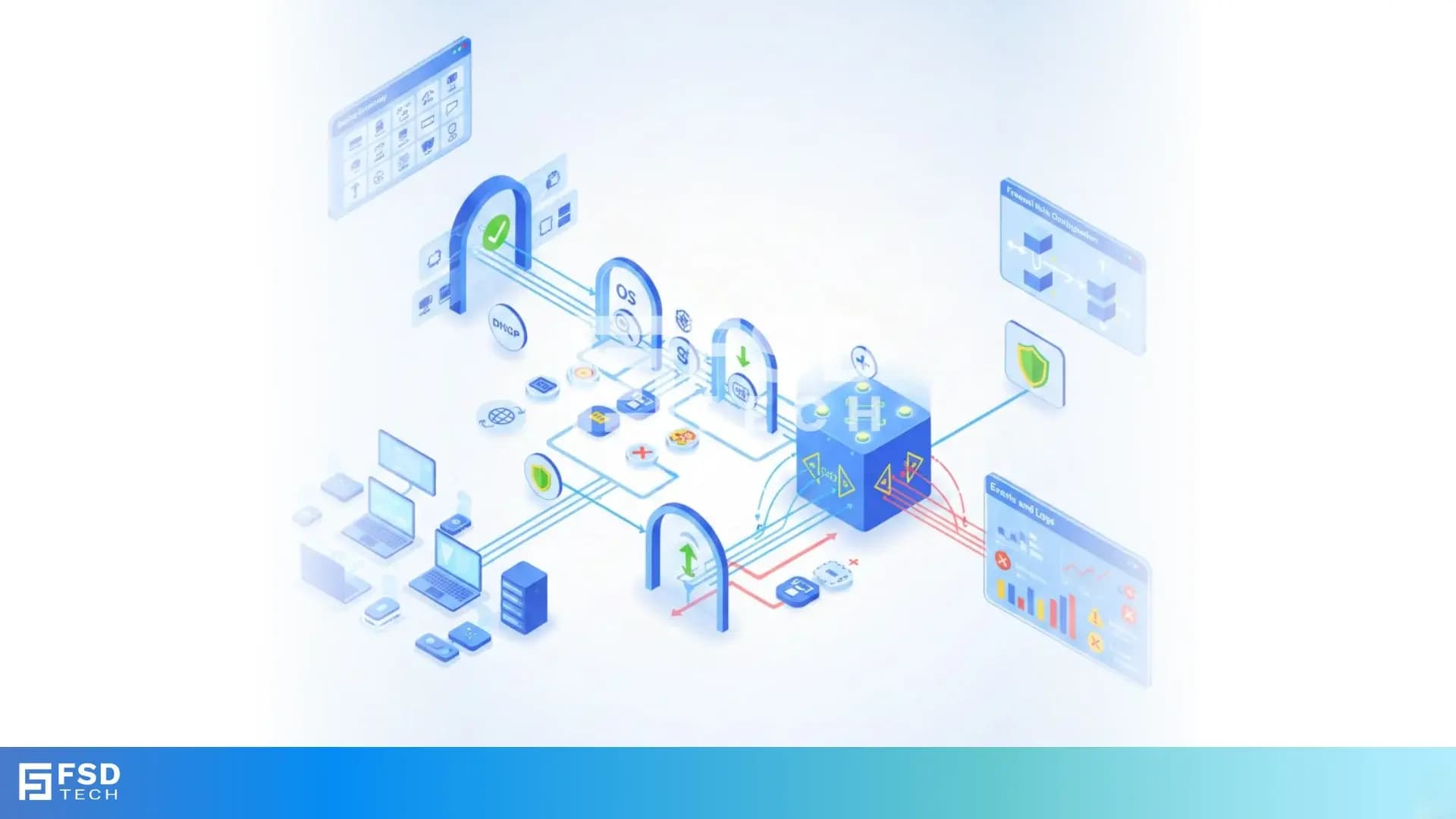
    Isometric diagram showing Cato SASE troubleshooting workflow where device inventory, DHCP mapping, posture validation, and firewall event logs are analyzed to diagnose device-based rule enforcement issues.

    Troubleshooting Device-Based Firewall Rules in Cato SASE

    🕓 March 13, 2026

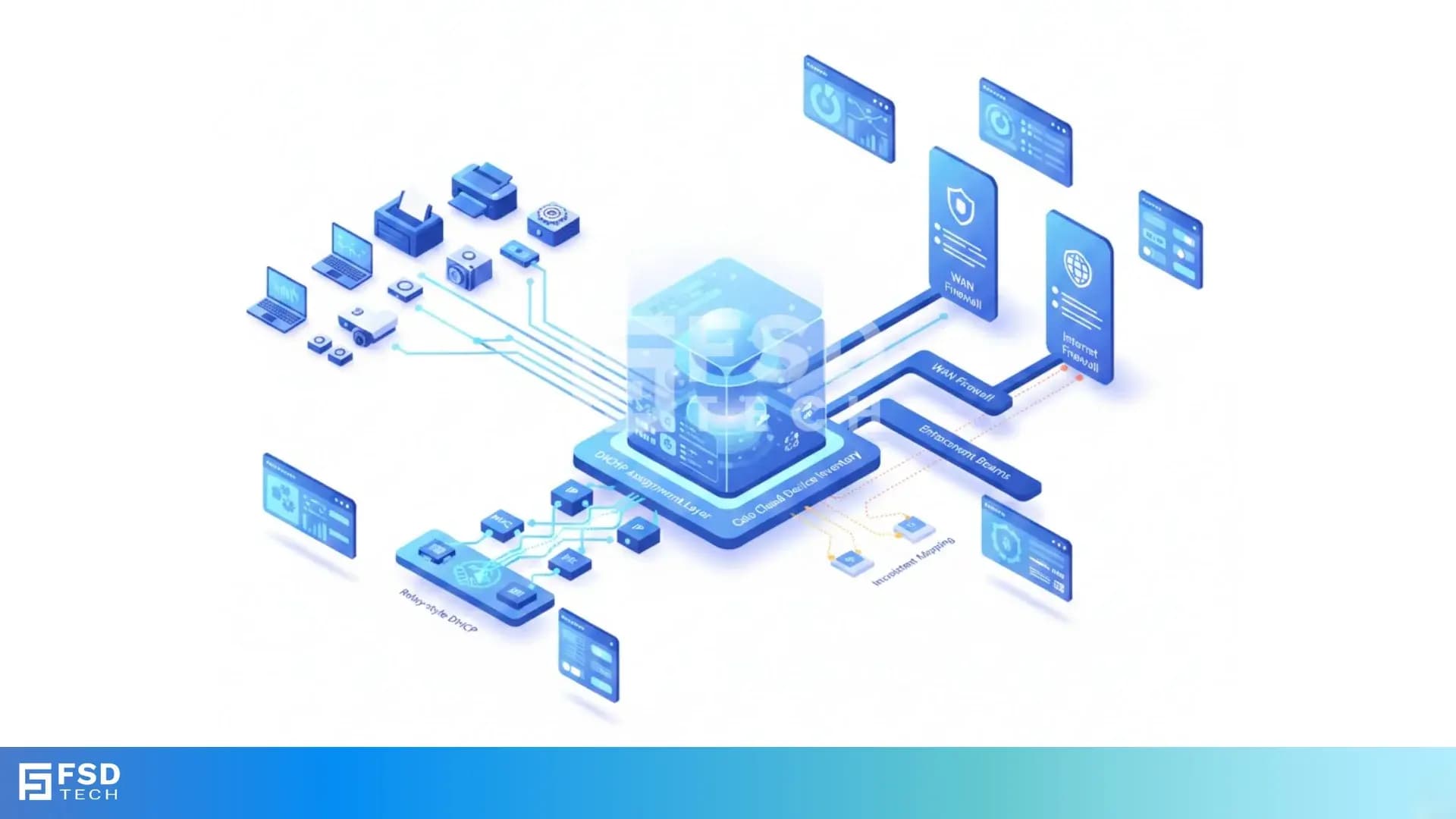
    Isometric diagram showing Cato SASE device inventory analyzing network traffic, DHCP data, and device attributes to support WAN and Internet firewall enforcement and device-aware security policies.

    Understanding Device Identification Limitations in Cato Device Inventory

    🕓 March 8, 2026

    Isometric diagram showing Cato SASE cloud analyzing network traffic, DHCP data, and MAC address fingerprints to identify devices and enable accurate device-based firewall enforcement.

    Why DHCP Configuration Matters for Device-Based Firewall Enforcement in Cato SASE

    🕓 March 7, 2026

    Decoded(198)

    Cyber Security(128)

    BCP / DR(22)

    Zeta HRMS(78)

    SASE(21)

    Automation(78)

    Next Gen IT-Infra(128)

    Monitoring & Management(81)

    ITSM(22)

    HRMS(21)

    Automation(24)