.webp&w=3840&q=75)
How ClickUp Enables Outcome-Based Project Management (Not Just Task Tracking)
🕓 February 15, 2026
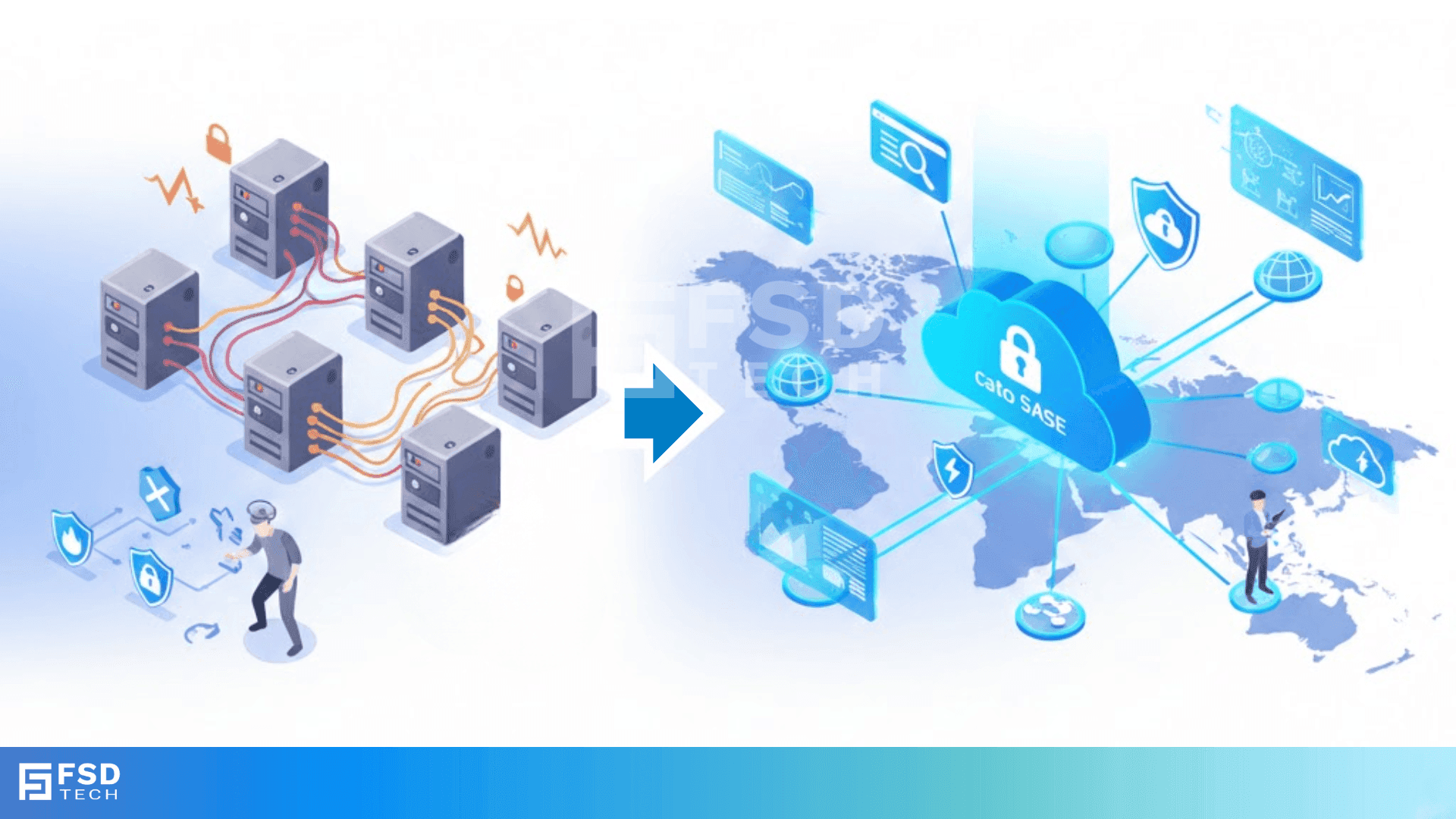
Remote and hybrid work are now permanent fixtures in the business landscape. For IT operations heads, remote access managers, and security architects, this shift brings new challenges: connecting a distributed workforce securely, efficiently, and at scale. Legacy VPNs, once the default for remote access, are increasingly strained—introducing latency, management complexity, and security gaps that can no longer be ignored. The question facing IT leaders is clear: What’s the next step beyond VPN?
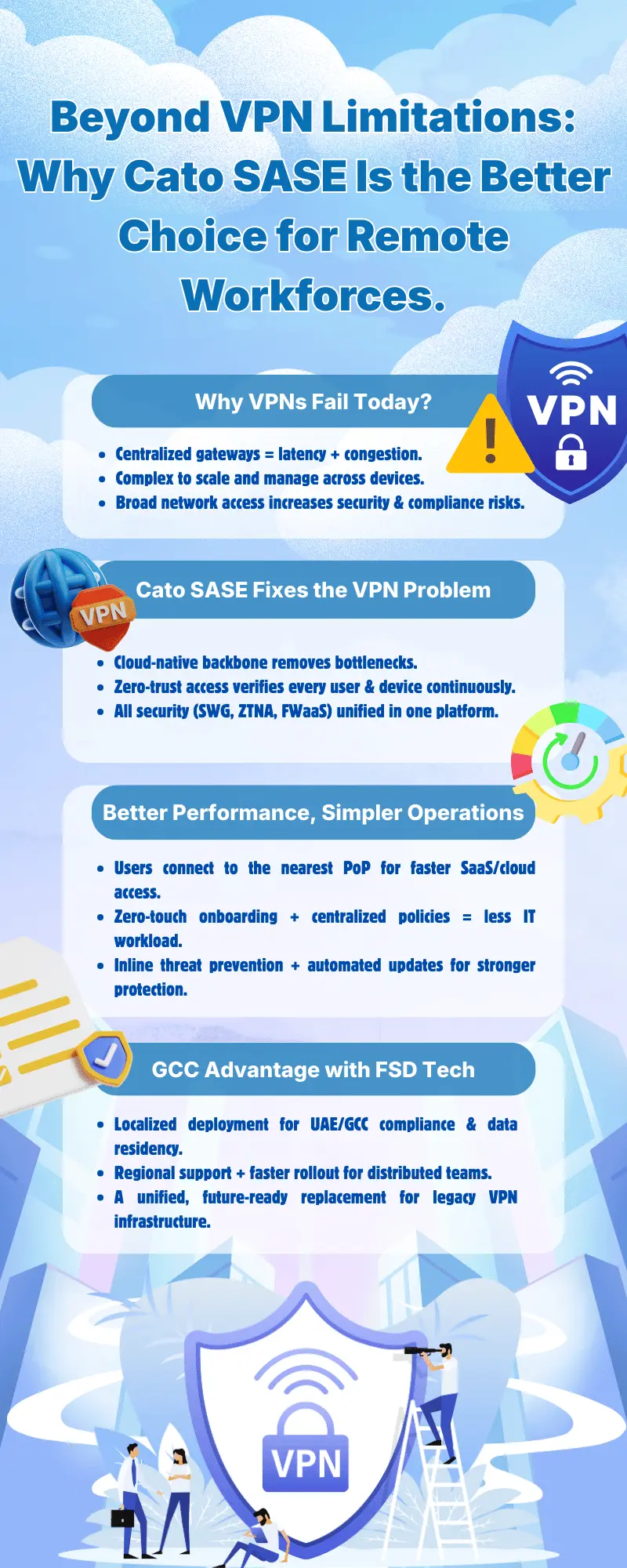
Traditional VPNs route all remote user traffic through centralized gateways—often located far from the user or the cloud resources they need. This “hairpinning” effect introduces significant latency, slows down workflows, and frustrates users, especially when accessing SaaS or cloud-hosted applications. As teams become more geographically dispersed, these performance issues multiply.
Real-world scenario:
A multinational consulting firm with offices in Dubai, Riyadh, and London experienced frequent slowdowns and lag during peak hours. VPN traffic congestion at the main data center led to a 40% increase in latency and a spike in user complaints.
Every new VPN user, device, or branch adds another layer of configuration and monitoring. IT teams must manage hardware appliances, software clients, and manual policy updates—often across multiple sites and platforms. This patchwork approach increases operational overhead and the risk of misconfigurations, making troubleshooting and scaling a constant challenge.
VPNs were never designed for today’s highly mobile, rapidly scaling workforces. As organizations onboard hundreds or thousands of remote users, VPN infrastructure quickly becomes a bottleneck. Mobile devices—now essential for business continuity—often experience inconsistent connectivity and weaker security with legacy VPNs. The result: degraded user experience and a surge in IT support tickets.
VPNs extend the corporate network perimeter to every remote device, granting broad access after initial authentication. This model exposes organizations to lateral movement attacks, credential theft, and compliance violations. As regulatory requirements tighten and threats evolve, VPNs lack the integrated, adaptive security controls needed for modern risk management.
Secure Access Service Edge (SASE) reimagines networking and security as a unified, cloud-delivered service. Instead of stitching together point solutions, SASE converges SD-WAN, firewall, threat prevention, and zero trust network access (ZTNA) into a single platform. This architecture delivers consistent security and optimized connectivity to users—wherever they are, and on any device.
At the heart of SASE is zero trust: never trust, always verify. Every user, device, and session is continuously authenticated and authorized, with granular policies enforced at every connection. Unlike VPNs, which grant broad access after login, SASE ensures that access is context-aware, dynamic, and tightly controlled—dramatically reducing the attack surface.
Cato SASE brings together SD-WAN, next-generation firewall, threat prevention, and ZTNA in a single, cloud-native platform. This eliminates the need for multiple appliances and manual integrations, reducing operational complexity and risk.
Remote and mobile users connect securely to the nearest Cato Point of Presence (PoP), enjoying optimized application performance and always-on protection—without the hassles of VPN client configuration or frequent disconnects.
Real-world scenario:
A regional bank in the GCC migrated from VPN to Cato SASE. Employees now access cloud apps and internal systems with a single sign-on, and IT support tickets for remote access dropped by 60%.
Cato SASE continuously inspects all traffic for threats, applying real-time threat intelligence and automated policy updates. Integrated security features help organizations meet evolving compliance requirements, from data residency to industry-specific mandates.
A multinational logistics company needed to onboard hundreds of new remote workers during a rapid expansion. With Cato SASE, IT provisioned secure access in days, not weeks, and maintained consistent security policies across all regions.
A GCC-based retailer adopted a mobile-first strategy, equipping staff with tablets and smartphones. Cato SASE delivered seamless, secure connectivity for all devices, enabling real-time inventory and sales updates without the performance or security gaps of VPNs.
During a merger, two organizations with different VPN solutions unified their remote access under Cato SASE. Integration time was reduced from months to weeks, and consistent security controls were enforced across the new entity from day one.
Cato SASE’s global platform is made locally relevant through the expertise of FSD Tech, the GCC’s regional enabler. FSD Tech ensures that organizations benefit from:
Some SASE vendors require integrating multiple products or lack full feature sets, leading to inconsistent user experiences and increased management overhead. Cato SASE delivers a holistic, single-vendor platform—reducing integration risks and ensuring reliability.
With Cato SASE, organizations gain a future-proof foundation for remote access and security. The platform’s cloud-native design, always-on zero trust model, and global reach position it as the most complete and reliable choice for distributed workforces.
| Feature | VPN | Cato SASE |
|---|---|---|
| Architecture | Point solution, perimeter-based | Unified, cloud-native, zero trust |
| Performance | Centralized, high latency | SD-WAN optimized, low latency |
| Scalability | Limited, manual scaling | Elastic, automated scaling |
| Security | Tunnel only, post-auth trust | Continuous verification, integrated ZTNA |
| Management | Complex, hardware-dependent | Centralized, zero-touch |
| Compliance | Basic, hard to adapt | Built-in, policy-driven |
Deliver faster, safer remote access for your workforce → Talk to our experts about deploying Cato SASE.
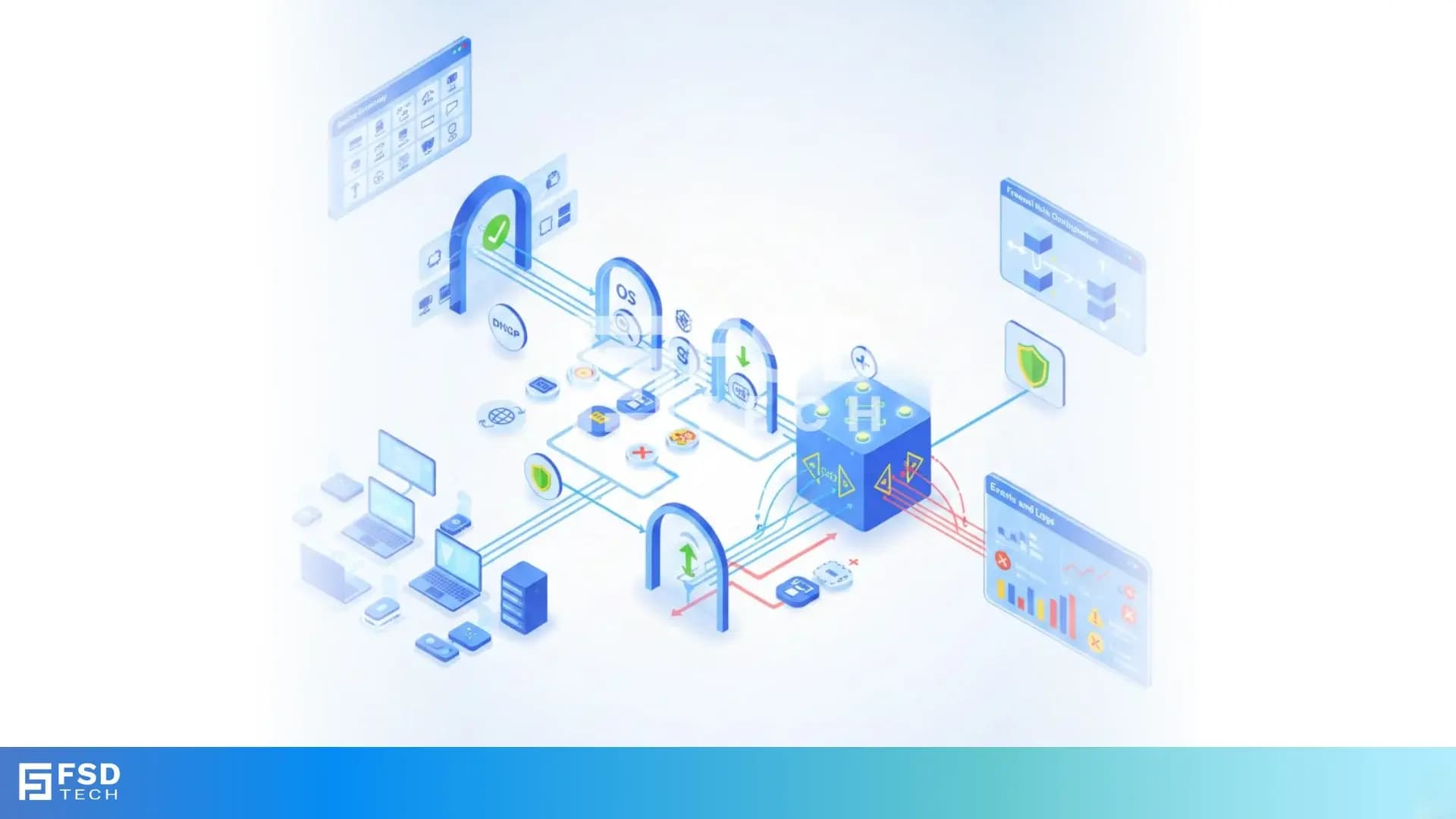
Cato SASE leverages SD-WAN technology to route traffic optimally, connecting users to the nearest Point of Presence (PoP) and minimizing latency. Unlike VPNs, which often route all traffic through a centralized gateway (creating bottlenecks and slowdowns), Cato SASE ensures direct, efficient access to cloud and on-premises resources. This results in faster application response times and a better user experience for distributed teams.
Cato SASE is built on zero trust principles, meaning every user and device is continuously authenticated and authorized for each connection. Security policies are enforced at every access attempt, not just at initial login. In contrast, VPNs typically grant broad network access after authentication, increasing the risk of lateral movement attacks and data breaches.
Yes. Cato SASE integrates advanced security features like firewall, threat prevention, and ZTNA, along with centralized policy management. This helps organizations meet evolving compliance requirements, such as data residency and industry-specific mandates, which VPNs alone often cannot address.
FSD Tech acts as the regional enabler for Cato SASE, providing local expertise in deployment, regulatory alignment, and ongoing support. Organizations in the GCC benefit from tailored implementations that address unique compliance and operational requirements, ensuring a smooth transition from legacy solutions.
Migration is streamlined with Cato SASE’s zero-touch deployment and unified management console. IT teams can onboard users, branches, and cloud resources with minimal disruption, reducing operational overhead and accelerating time-to-value.
Cato SASE provides seamless, always-on connectivity for mobile and BYOD (Bring Your Own Device) users. The platform enforces security policies regardless of device type or location, ensuring consistent protection and user experience across all endpoints.
IT teams benefit from centralized policy management, automated updates, and reduced hardware dependencies. This simplifies day-to-day operations, minimizes manual intervention, and allows IT staff to focus on strategic initiatives rather than routine troubleshooting.
Cato SASE’s global network of PoPs includes coverage in the Middle East, ensuring that users in the GCC and surrounding regions connect to the closest node. This significantly reduces latency compared to VPNs that route traffic through distant data centers, resulting in faster, more reliable access.
Yes. Cato SASE is designed to integrate seamlessly with hybrid and multi-cloud architectures, providing secure, optimized connectivity to cloud applications, data centers, and branch offices—without the complexity of managing multiple VPN tunnels.
Cato SASE continuously inspects all traffic for threats using real-time threat intelligence and automated policy updates. Features like next-generation firewall, intrusion prevention, and malware detection are built-in, providing robust protection against evolving cyber risks.
FSD Tech offers ongoing support, training, and optimization services for Cato SASE deployments in the GCC. Their regional presence ensures rapid response to issues, proactive monitoring, and alignment with local business and regulatory changes.
Cato SASE’s zero trust model allows organizations to define granular access policies for contractors, partners, and third parties. Access can be limited to specific applications or resources, with continuous verification and monitoring to prevent unauthorized activity.
While every organization’s situation is unique, many find that Cato SASE reduces total cost of ownership by consolidating networking and security functions, eliminating hardware appliances, and reducing operational overhead. The unified platform also minimizes integration and support costs.
Cato SASE’s SD-WAN capabilities provide automatic failover and dynamic path selection, ensuring uninterrupted connectivity even if a primary link fails. This resilience is critical for remote and branch users who rely on consistent access to business applications.
Yes. With FSD Tech’s regional expertise, Cato SASE deployments can be tailored to meet strict data residency and sovereignty requirements common in the GCC. Policies can be enforced to ensure sensitive data remains within designated jurisdictions.
Cato SASE stands out for its unified, single-vendor platform, which eliminates the need to integrate multiple products or manage disparate consoles. This reduces complexity, accelerates deployment, and ensures consistent policy enforcement—advantages that are especially valuable for organizations scaling remote access across the GCC and beyond.

Anas is an Expert in Network and Security Infrastructure, With over seven years of industry experience, holding certifications Including CCIE- Enterprise, PCNSE, Cato SASE Expert, and Atera Certified Master. Anas provides his valuable insights and expertise to readers.
Share it with friends!




.webp&w=3840&q=75)


.webp&w=3840&q=75)
share your thoughts