HomeNext Gen IT-InfraMonitoring & ManagementCyber SecurityBCP / DRAutomationDecoded
Next Gen IT-Infra
Cato’s SASE Supports Cybersecurity Skills Development

How Cato’s SASE Supports Cybersecurity Skills Development

🕓 April 8, 2025

How SASE Supports the Security Needs of SMBs

How SASE Supports the Security Needs of SMBs

🕓 February 9, 2025

Attack Surface Reduction with Cato’s SASE

Attack Surface Reduction with Cato’s SASE

🕓 February 10, 2025

SASE for Digital Transformation in UAE

SASE for Digital Transformation in UAE

🕓 February 8, 2025

Monitoring & Management
Understanding Atera’s SLA Management

Understanding Atera’s SLA Management

🕓 February 7, 2025

Cost-Performance Ratio: Finding the Right Balance in IT Management Networks

Cost-Performance Ratio: Finding the Right Balance in IT Management Networks

🕓 June 16, 2025

Customizing Atera with APIs

Customizing Atera with APIs

🕓 March 3, 2025

Power Up Your IT Team’s Strategy with Atera’s Communication Tools

Power Up Your IT Team’s Strategy with Atera’s Communication Tools

🕓 February 8, 2025

Cyber Security
Illustration of the Cato Cloud architecture showing its role in delivering SASE for secure, optimized global connectivity.

Understanding the Cato Cloud and Its Role in SASE

🕓 January 29, 2025

Isometric illustration of professionals managing network performance, bandwidth analytics, and cloud-based optimization around the Cato Networks platform, symbolizing bandwidth control and QoS visibility.

Mastering Bandwidth Control and QoS in Cato Networks

🕓 July 26, 2025

Global network backbone powering Cato SASE solution for secure, high-performance connectivity across regions.

Global Backbone: The Engine Powering Cato’s SASE Solution

🕓 January 30, 2025

Illustration of team analyzing application traffic and usage insights on a large laptop screen using Cato’s dashboard, surrounded by network and cloud icons.

Cato Networks Application Visibility | Monitoring & Control

🕓 July 27, 2025

BCP / DR
Illustration showing diverse business and IT professionals collaborating with cloud, backup, and security icons, representing Vembu use cases for SMBs, MSPs, and IT teams.

Who Uses Vembu? Real-World Use Cases for SMBs, MSPs & IT Teams

🕓 July 12, 2025

Graphic showcasing Vembu’s all-in-one backup and disaster recovery platform with icons for cloud, data protection, and business continuity for IT teams and SMBs.

What Is Vembu? A Deep Dive Into the All in One Backup & Disaster Recovery Platform

🕓 July 6, 2025

Illustration showing Vembu backup and disaster recovery system with cloud storage, server racks, analytics dashboard, and IT professionals managing data.

The Rising Cost of Data Loss: Why Backup Is No Longer Optional?

🕓 August 14, 2025

3D isometric illustration of cloud backup and data recovery infrastructure with laptop, data center stack, and digital business icons — FSD Tech

RPO & RTO: The Heart of Business Continuity

🕓 August 15, 2025

Automation
Cross-Functional Collaboration with ClickUp

Fostering Cross-Functional Collaboration with ClickUp for Multi-Departmental Projects

🕓 February 11, 2025

ClickUp Project Reporting

Revolutionizing Enterprise Reporting with ClickUp’s Advanced Analytics and Dashboards

🕓 June 16, 2025

ClickUp’s Design Collaboration and Asset Management Tools

Empowering Creative Teams with ClickUp’s Design Collaboration and Asset Management Tools

🕓 February 26, 2025

ClickUp Communication and Collaboration Tools

ClickUp Communication and Collaboration Tools: Empowering Remote Teams

🕓 March 12, 2025

Decoded
Multi-Factor Authentication (MFA)

Multi-Factor Authentication (MFA): All You Need to Know

🕓 December 7, 2025

L3 Switch

What Is an L3 Switch? L2 vs L3 & Why You Need Layer 3?

🕓 December 8, 2025

IPSec

IPSec Explained: Protocols, Modes, IKE & VPN Security

🕓 December 3, 2025

 Datagram Transport Layer Security (DTLS)

What is Datagram Transport Layer Security (DTLS)? How it works?

🕓 December 4, 2025

    Subscribe to our newsletter!

    About Us

    Follow Us

    Copyright © 2024 | Powered by 

    Cato SASE Architecture

    Inside Cato’s SASE Architecture: A Blueprint for Modern Security

    🕓 January 26, 2025

    Enterprise Data Security and Privacy with ClickUp

    Ensuring Enterprise Data Security and Privacy with ClickUp

    🕓 February 9, 2025

    DDoS protection SASE

    DDoS Protection and Cato’s Defence Mechanisms

    🕓 February 11, 2025

    Table of Contents

    Miradore Integrations – Google Workspace, Azure AD, and Apple Business Manager

    Anas Abdu Rauf
    September 12, 2025
    Comments
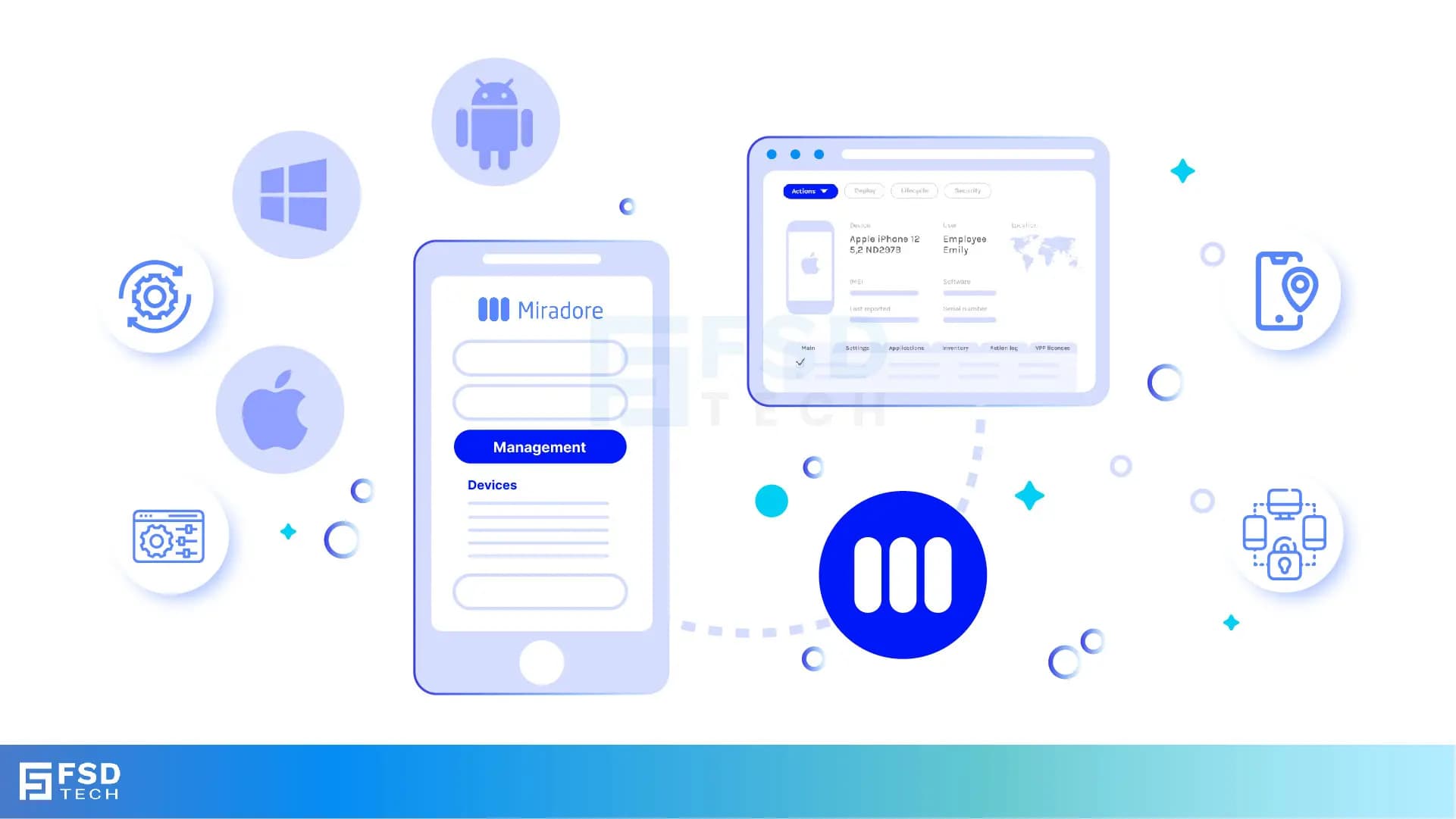
    Illustration of Miradore’s unified device management platform with smartphone and desktop console interface. Surrounding icons show Apple, Android, Windows, and IT management features like security, geolocation, and multi-device control.

    Introduction

    Integrations are critical in modern device management. They enable seamless identity management, streamline device enrollment, and improve security across platforms. Miradore offers robust integrations with popular enterprise ecosystems such as Google Workspace, Microsoft Azure Active Directory (Azure AD), and Apple Business Manager (ABM) — empowering organizations to manage devices, users, and apps effortlessly.
     

    In this post, we’ll dive into how Miradore’s integration capabilities simplify user and device lifecycle management while boosting security and compliance for GCC enterprises.


    Key Takeaways

    • Miradore syncs users and groups from Google Workspace and Azure AD for streamlined enrollment
    • Integration with Apple Business Manager enables automated zero-touch Apple device provisioning
    • Role-based access and group policies can mirror identity provider structures
    • Integrations improve security via single sign-on (SSO) and conditional access
    • Combined, they reduce manual admin effort and speed up onboarding and offboarding


    Why Integrations Matter

    Organizations often rely on cloud identity providers and device enrollment programs to manage users and devices at scale. Without integrations, IT teams face duplicated work—manual user provisioning, inconsistent policies, and delayed access management.

    Miradore’s integration ecosystem helps:

    • Automatically sync users and groups from identity platforms
    • Automate device enrollment via Apple’s DEP or Android Zero-Touch linked with user identities
    • Use identity-based roles and access controls aligned with corporate structure
    • Facilitate seamless onboarding and offboarding to maintain security

    This is especially important in GCC environments where compliance and audit readiness require strict control over access and device management.


    Google Workspace Integration

    Miradore connects with Google Workspace Directory via API:

    • User and group sync: Automatically import users and organizational units (OUs)
    • Simplified enrollment: Assign devices to users based on their Google identity
    • Group-based policies: Apply device or app policies aligned with Google groups or OUs
    • SSO support: Enables single sign-on for admins logging into Miradore console
    • Audit trails: Miradore logs integration events for compliance

    Example: A company managing 500 employees uses Google Workspace groups for sales, finance, and HR. Miradore automatically applies distinct security policies per group, reducing manual errors and speeding deployments.


    Azure Active Directory (Azure AD) Integration

    For enterprises using Microsoft 365 and Azure AD:

    • User and group synchronization: Miradore pulls users and groups from Azure AD seamlessly
    • Conditional Access: Integrate with Azure AD Conditional Access policies to enforce multi-factor authentication (MFA) and device compliance
    • SSO & role mapping: Leverage Azure AD identities to manage Miradore console access
    • Dynamic groups: Sync Azure AD dynamic groups to Miradore for real-time device targeting
    • Compliance alignment: Ensures device and user access policies align with Microsoft security standards

    Scenario: A enterprise leverages Azure AD for identity and Miradore for device management. Conditional Access combined with Miradore’s compliance checks ensures only compliant devices can access corporate resources.


    Apple Business Manager (ABM) Integration

    Apple Business Manager is a cornerstone for Apple device lifecycle management:

    • Automated Device Enrollment Program (DEP): Miradore integrates with ABM to enable zero-touch enrollment of iPhones, iPads, and Macs
    • Pre-configured profiles: Devices can be shipped directly to users with Miradore policies automatically applied at first boot
    • Supervised mode & restrictions: Enable deeper device control including app whitelisting, disabling iMessage, or restricting AirDrop
    • License management: Sync ABM-purchased apps and assign licenses through Miradore’s console
    • Remote management: Apply updates and restrictions seamlessly post-deployment

    Use Case: An educational institution deploys 1,000 iPads for students. ABM and Miradore ensure devices are ready out-of-box with necessary apps and security settings enforced.


    Not sure how Miradore integrations fit into your current IT environment? Fill out the form and our team will contact you
     

    Benefits of Combined Integrations

    • Faster onboarding and offboarding: User changes in Google Workspace or Azure AD automatically reflect in Miradore device management
    • Improved compliance: Consistent enforcement of policies linked to identity provider groups helps meet GCC regulations like NESA and SAMA
    • Streamlined IT operations: Reduced manual provisioning errors, less duplicated effort, and automated license management
    • Security & audit readiness: Integration event logs support audit trails, and conditional access adds layers of protection
       

    Real-World Example: Enterprise-Grade Device Management in GCC

    A GCC regional bank uses Miradore integrated with Azure AD and Apple Business Manager to secure its workforce of 3,000 devices across multiple locations. They benefit from:

    • Automated user/device sync reducing onboarding time by 40%
    • Enforced device compliance via Azure AD Conditional Access combined with Miradore’s policy automation
    • Simplified Apple device deployment and app licensing through ABM
    • Centralized reporting for internal audits aligned with ISO 27001 and local data protection laws
       

    Next Steps

    Integrate Miradore with your existing identity and device programs to gain a unified, automated management experience. Simplify enrollment, boost security, and stay compliant—without adding administrative overhead.
     

    Want a hands-on walkthrough of how Miradore integrates with Google Workspace, Azure AD, or Apple Business Manager? Book your free consultation with our experts today.
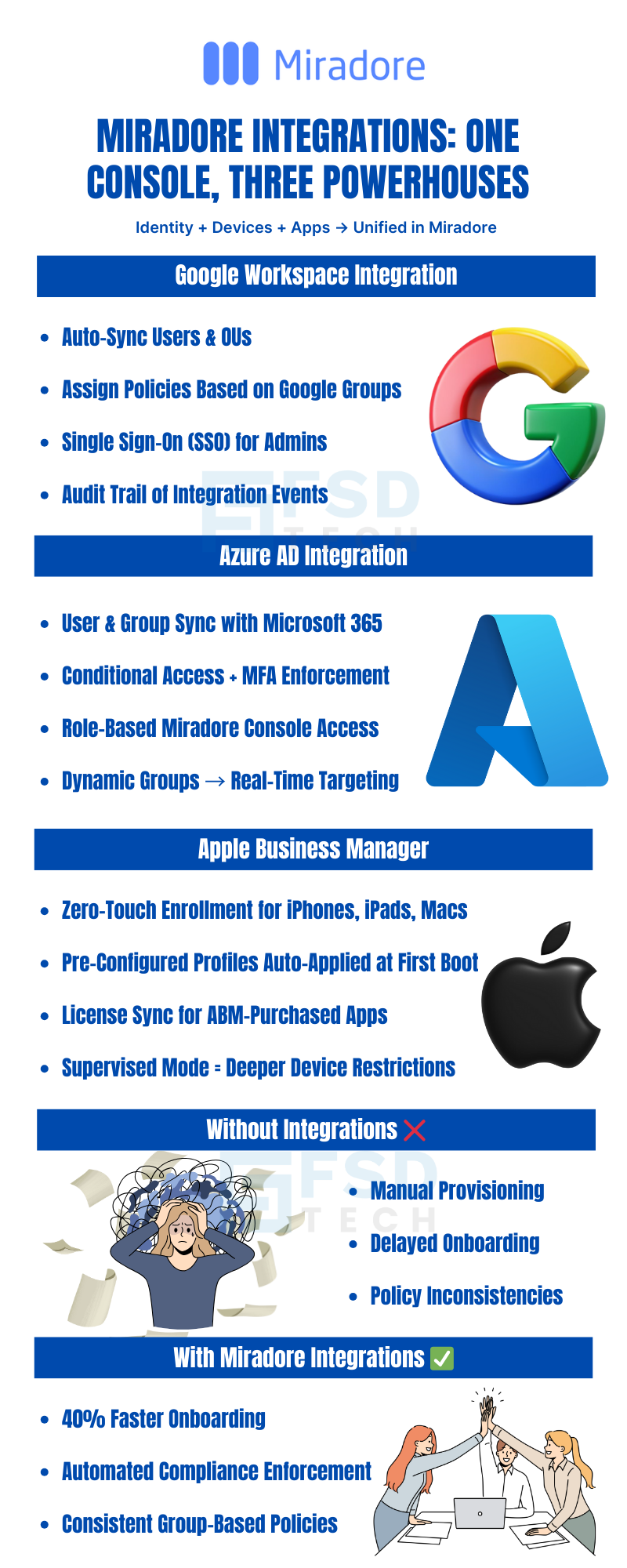
    Infographic showing Miradore integrations with Google Workspace, Azure AD, and Apple Business Manager. Highlights include auto-sync users, SSO, MFA enforcement, zero-touch enrollment, license sync, faster onboarding, and automated compliance enforcement compared to manual provisioning without integrations.

    FAQs

    How often does Miradore sync with Google Workspace or Azure AD?

    Miradore typically syncs user and group data every few hours, but you can trigger manual syncs as needed. This ensures your device management always reflects the latest organizational changes.
     

    Can Miradore enforce policies based on synced groups from identity providers?

    Yes. Miradore allows you to create dynamic device groups linked to Google Workspace or Azure AD groups, enabling targeted policy application aligned with your organizational structure.
     

    Is single sign-on (SSO) supported for Miradore console login?

    Absolutely. Miradore supports SSO via SAML 2.0 with providers like Google Workspace and Azure AD, streamlining secure admin access and reducing password management overhead.
     

    What is the process for integrating Apple Business Manager with Miradore?

    You generate a server token in ABM and upload it into Miradore. This establishes a secure connection enabling zero-touch enrollment and license sync for Apple devices.
     

    Can license management for Apple apps be done via Miradore?

    Yes. Miradore syncs app licenses purchased via ABM and allows IT admins to assign or revoke licenses from devices remotely, simplifying app lifecycle management.
     

    How do integrations improve audit and compliance readiness?

    Miradore logs all integration-related activities and synchronizations, providing a transparent audit trail. Combined with enforced policies tied to identity groups, it helps satisfy regulatory requirements like GDPR, SAMA, and NESA.

    Are there any limitations with group sync from Azure AD or Google Workspace?

    Group sync supports standard groups and OUs, but complex nested or dynamic groups may require additional configuration. Miradore provides documentation and support for setup guidance.
     

    Can multiple identity providers be integrated simultaneously?

    Yes. Miradore supports simultaneous integrations with Google Workspace, Azure AD, and Apple Business Manager, allowing flexible multi-cloud and multi-platform environments.


    Miradore Integrations – Google Workspace, Azure AD, and Apple Business Manager

    About The Author

    Anas Abdu Rauf

    Anas is an Expert in Network and Security Infrastructure, With over seven years of industry experience, holding certifications Including CCIE- Enterprise, PCNSE, Cato SASE Expert, and Atera Certified Master. Anas provides his valuable insights and expertise to readers.

    Like This Story?

    Share it with friends!

    Subscribe to our newsletter!

    Atera

    (52)

    Cato Networks

    (121)

    ClickUp

    (70)

    FishOS

    (7)

    Miradore

    (21)

    PointGuard AI

    (9)

    Vembu

    (22)

    Xcitium

    (33)

    ZETA HRMS

    (79)

    Workflow Automation(8)

    Workforce Automation(1)

    AI Project Management(1)

    HR Data Automation(1)

    RMM(1)

    IT Workflow Automation(1)

    IT security(2)

    GCC compliance(4)

    Payroll Integration(2)

    IT support automation(3)

    procurement automation(1)

    lost device management(1)

    IT Management(5)

    IoT Security(2)

    Cato XOps(2)

    IT compliance(4)

    Workflow Management(1)

    Task Automation(1)

    Kubernetes lifecycle management(2)

    OpenStack automation(1)

    AI-powered cloud ops(1)

    SMB Security(8)

    Data Security(1)

    MDR (Managed Detection & Response)(4)

    MSP Automation(3)

    Atera Integrations(2)

    XDR Security(2)

    SMB Cyber Protection(1)

    Ransomware Defense(3)

    HR Tech Solutions(1)

    Zero Trust Network Access(3)

    Zero Trust Security(2)

    Endpoint Management(1)

    SaaS Security(1)

    Payroll Automation(5)

    IT Monitoring(2)

    Xcitium EDR SOC(15)

    Ransomware Protection GCC(1)

    Network Consolidation UAE(1)

    M&A IT Integration(1)

    MSSP for SMBs(1)

    SMB Cybersecurity GCC(1)

    Antivirus vs EDR(1)

    FSD-Tech MSSP(25)

    Ransomware Protection(3)

    Managed EDR FSD-Tech(1)

    Cybersecurity GCC(12)

    Endpoint Security(1)

    Endpoint Protection(1)

    Data Breach Costs(1)

    SMB Cybersecurity(8)

    Zero Dwell Containment(31)

    Xcitium EDR(30)

    Managed Security Services(2)

    Cloud Backup(1)

    Hybrid Backup(1)

    Backup & Recovery(1)

    pointguard ai(4)

    backup myths(1)

    disaster recovery myths(1)

    SMB data protection(9)

    vembu(9)

    Vembu BDR Suite(19)

    Disaster Recovery(4)

    GCCBusiness(1)

    DataProtection(1)

    Secure Access Service Edge(4)

    GCC HR software(20)

    Miradore EMM(15)

    Cato SASE(7)

    Cloud Security(8)

    Talent Development(1)

    AI Security(2)

    AI Cybersecurity(12)

    AI Governance(4)

    AI Risk Management(1)

    AI Compliance(2)

    GCC business security(1)

    GCC network integration(1)

    compliance automation(5)

    education security(1)

    GCC cybersecurity(2)

    BYOD security Dubai(8)

    App management UAE(1)

    Miradore EMM Premium+(5)

    MiddleEast(1)

    HealthcareSecurity(1)

    Team Collaboration(1)

    IT automation(12)

    Zscaler(1)

    SD-WAN(7)

    HR Integration(4)

    Cloud Networking(4)

    device management(9)

    RemoteWork(1)

    VPN(1)

    ZeroTrust(2)

    MPLS(1)

    Project Management(9)

    HR automation(16)

    share your thoughts

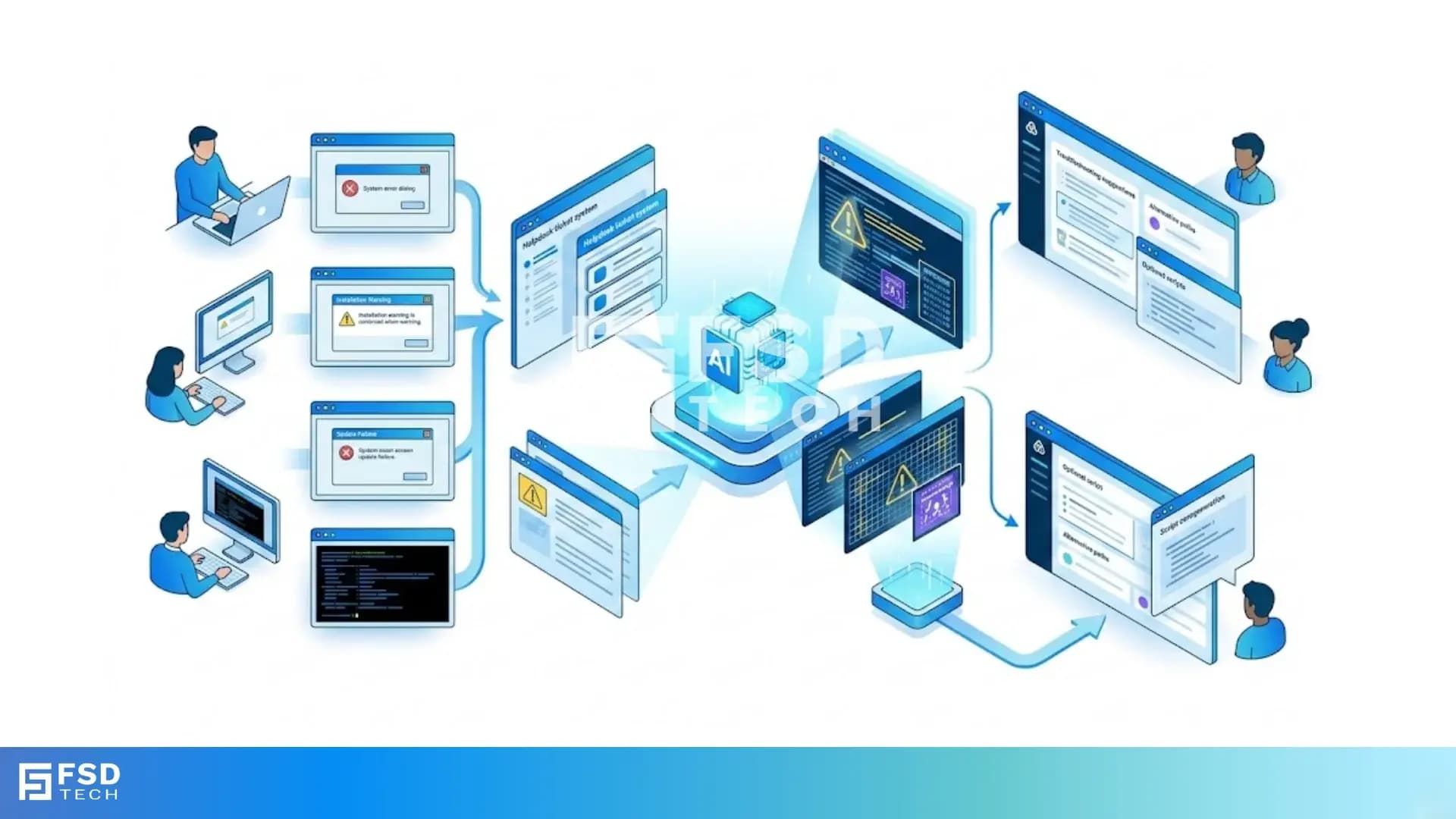
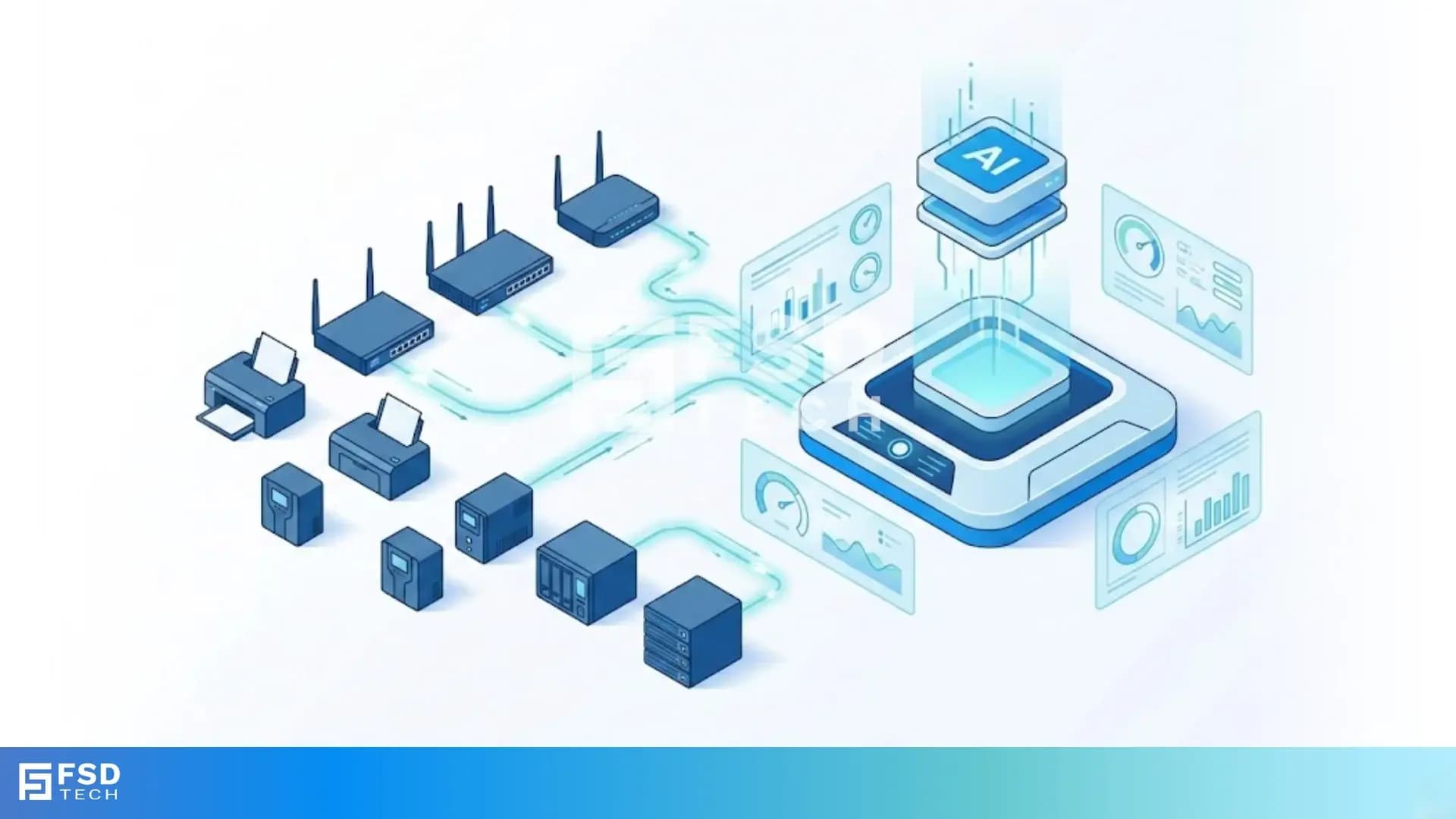
    Isometric illustration of Account Intelligence as a central platform connecting laptops, servers, and network devices, representing real-time device visibility, lifecycle management, discovery of unmanaged assets, and synchronized inventory across IT environments.

    Account Intelligence in Atera: Offline Devices, Trends & Discovery

    🕓 February 8, 2026

    Isometric illustration showing Atera AI Copilot as a central intelligence layer connecting Windows and macOS devices, dashboards, and servers, representing unified operations, secure access, policy governance, and cross-platform IT management.

    AI Copilot for macOS & Cross-Platform Intelligence

    🕓 February 7, 2026

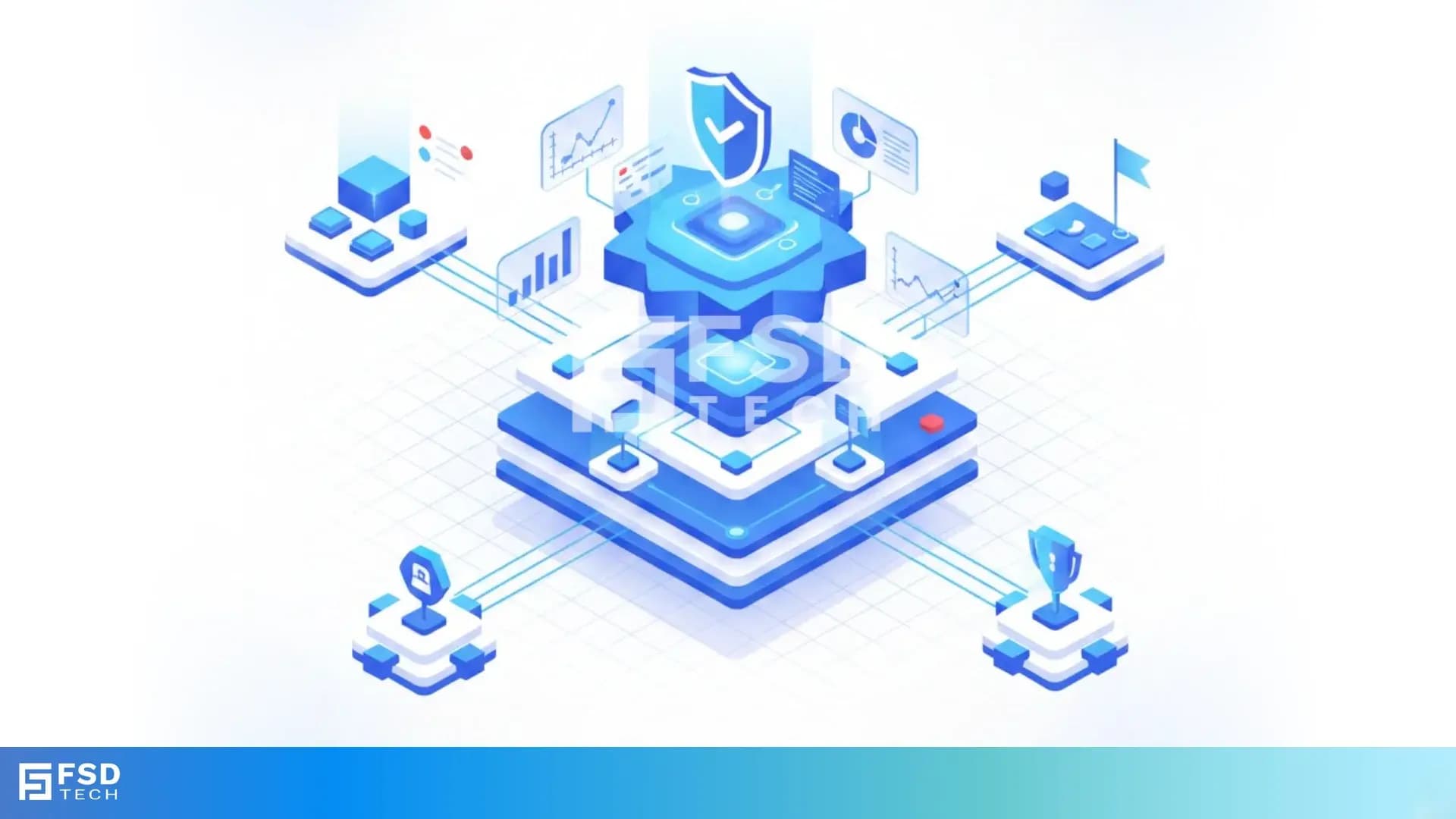
    Isometric illustration showing a secure centralized remote access platform by FSD Tech, connecting multiple endpoints and servers through protected network pathways, symbolizing controlled access, Zero Trust security, and enterprise IT management.

    Granular Permissions & Splashtop Policy Controls: How Atera Secures Remote Access at Scale

    🕓 February 6, 2026

    Decoded(100)

    Cyber Security(118)

    BCP / DR(22)

    Zeta HRMS(78)

    SASE(21)

    Automation(70)

    Next Gen IT-Infra(118)

    Monitoring & Management(73)

    ITSM(22)

    HRMS(21)

    Automation(24)