.webp&w=3840&q=75)
How ClickUp Enables Outcome-Based Project Management (Not Just Task Tracking)
🕓 February 15, 2026
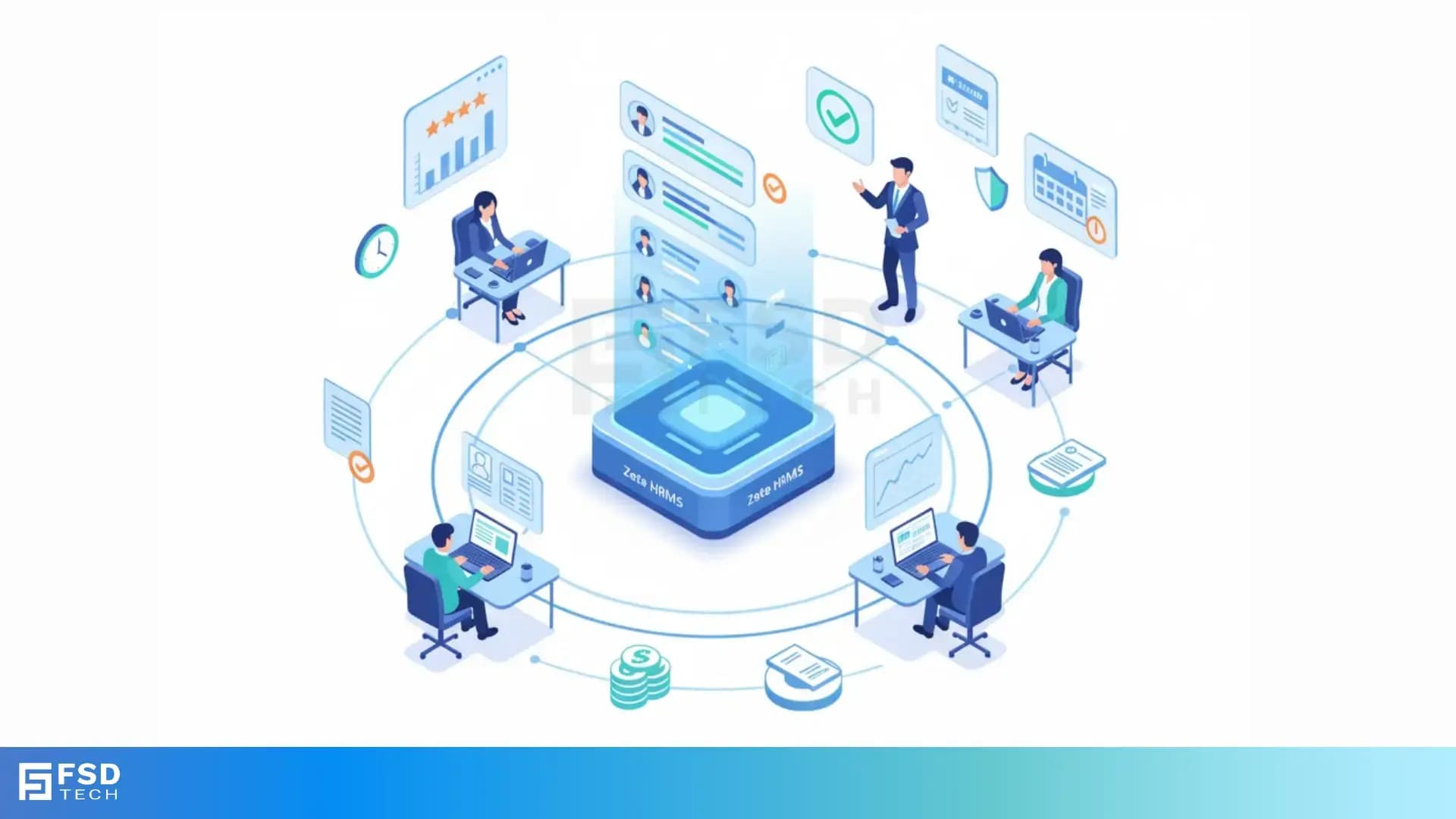
HR leaders today face the dual challenge of driving workforce performance and aligning talent strategies with broader business goals. Traditional HR metrics, while valuable, are often reactive—focusing on what has already happened rather than what could happen next. Predictive analytics, powered by data science and machine learning, changes that narrative.
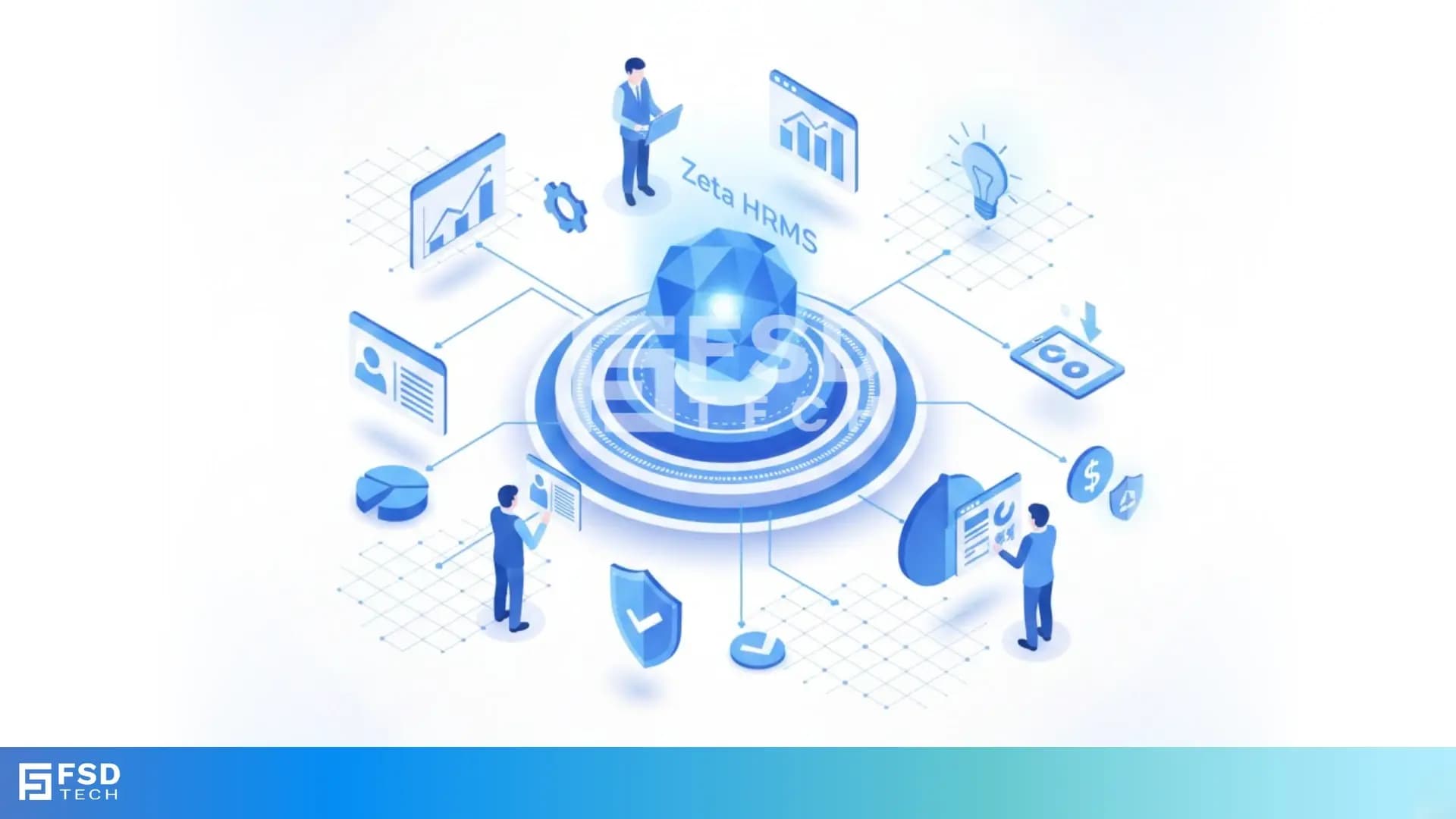
Zeta HRMS integrates advanced predictive analytics capabilities directly into its HR suite, enabling organizations to proactively forecast attrition, identify high-potential employees, optimize hiring cycles, and model workforce costs. The result? Better decisions, faster response to changes, and a more future-ready HR function.
Predictive analytics in Zeta HRMS goes beyond static dashboards. It leverages historical HR data—attendance records, payroll, performance reviews, training logs, and more—to generate real-time forecasts and prescriptive insights.
Zeta's analytics engine applies regression models, trend extrapolation, and pattern recognition to help HR teams answer critical questions such as:
Zeta HRMS offers a wide array of pre-configured and customizable predictive models to suit various HR objectives. These include:
By analyzing employee engagement, attendance history, last promotion date, exit interviews, and feedback, Zeta builds a churn-risk score for each employee. This enables proactive retention interventions.
Combines payroll data, compensation trends, performance-based bonus structures, and upcoming policy changes to project future cost to company (CTC) across departments and roles.
Integrates organizational growth data, current vacancy trends, historical time-to-hire stats, and team capacity plans to forecast future recruitment needs by quarter or year.
Analyzes historical training outcomes against performance metrics to recommend which training investments are likely to yield the best performance gains or promotions.
Assesses performance reviews, skill development, tenure, training certifications, and manager feedback to identify high-potential employees ready for advancement.
Benchmarking allows HR teams to compare internal performance against industry norms or historical baselines. Zeta HRMS includes powerful benchmarking capabilities tied directly into predictive analytics:
Zeta enables users to configure these benchmarks using public data, previous internal cycles, or Zeta-supplied industry datasets.
Zeta HRMS allows HR teams to create tailored dashboards that visualize predictive trends by business unit, geography, or job level. These dashboards can be filtered by role—for example:
These dashboards offer drag-and-drop configuration and can be scheduled to auto-update and email to decision-makers weekly or monthly.
A manufacturing company using Zeta HRMS needed to prepare a 2-year cost optimization plan. Using Zeta’s workforce cost forecast module, the HR team could:
The resulting insights enabled them to recommend optimized hiring cycles, adjusted bonus structures, and better allocation of training budgets—saving the company over 12% in HR-related expenses over 18 months.
Rather than relying on reactive quarterly reports, HR leaders using Zeta present predictive trend lines during boardroom and CXO-level meetings. This proactive stance builds confidence among executives and positions HR as a strategic business partner.
For example:
These insights shape budgets, guide policy creation, and align workforce planning with broader business goals.
Also Read: Keeping HR Data Compliant with Document Management & Expiry Alerts in Zeta HRMS
Zeta HRMS supports importing external datasets into its analytics engine. This could include:
By combining internal HR data with external signals, Zeta enhances the accuracy of predictions and widens the context for decision-making.
Zeta HRMS doesn’t just forecast people performance—it also supports compliance teams in mitigating risk by predicting upcoming regulatory issues.
Example: If labor laws are expected to change leave accrual limits in a particular region, Zeta flags employees at risk of non-compliance in the forecast window, allowing HR to update policies in time.
Similarly, if a department is trending toward excessive overtime hours, Zeta can forecast burnout risk and recommend workload balancing strategies in advance.
Predictive analytics in Zeta is not limited to HR departments alone. Managers can access team-specific insights such as:
These granular insights empower managers to take informed actions—before issues arise.
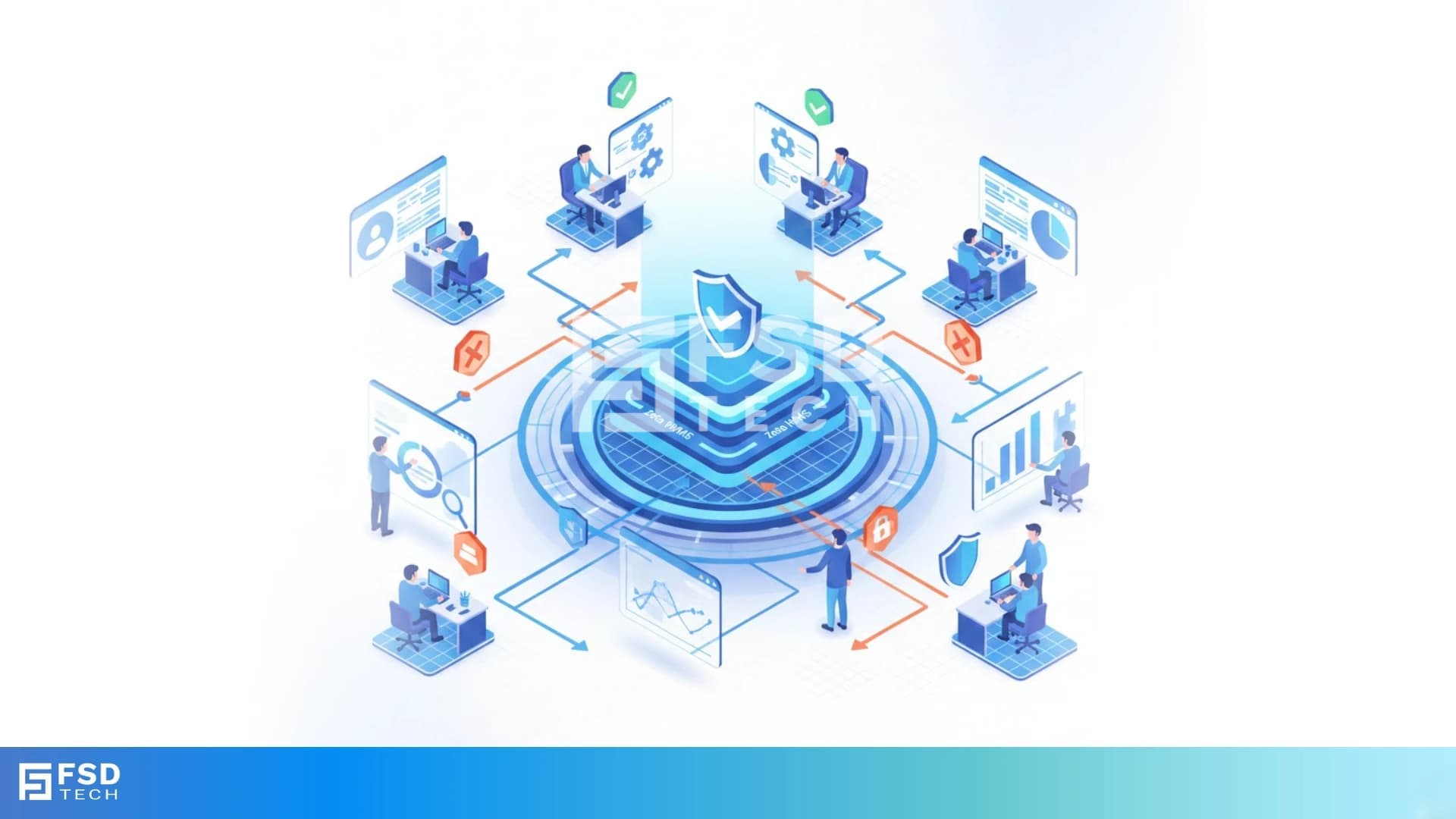
Given the sensitive nature of HR data and forecasting, Zeta HRMS ensures:
Zeta also allows companies to choose between standard model templates or build proprietary models with internal data science teams, ensuring IP protection and flexibility.
To fully utilize predictive analytics in Zeta HRMS, organizations should:
Reduce HR Costs with Accurate Workforce Forecasts→ Get Your Free Zeta HRMS Strategy Session Now
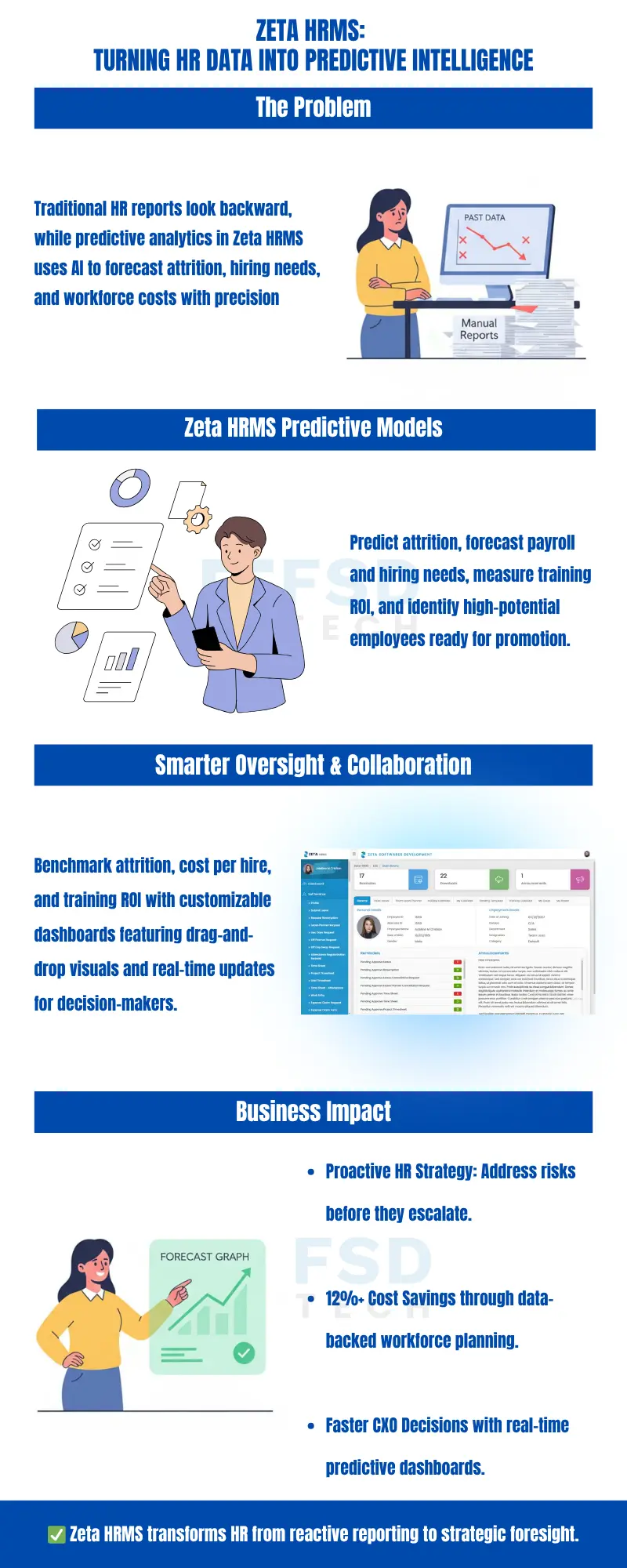
Predictive analytics in HR involves using historical workforce data to forecast future trends and behavior. Zeta HRMS implements this using built-in forecasting models for attrition, recruitment demand, cost projections, and more, directly within its analytics dashboard.
Yes. Zeta HRMS uses behavioral patterns, attendance, performance data, and engagement scores to predict potential employee turnover and assigns a risk score to each employee.
It enables HR teams to model the financial impact of workforce changes, policy updates, hiring strategies, and benefits planning, ensuring budget alignment and cost optimization.
Yes. Zeta provides both ready-made models and the flexibility to customize or build proprietary models based on internal KPIs or organization-specific variables.
Absolutely. Zeta’s role-based access allows managers to view team-level forecasts and act on specific insights like potential training gaps or upcoming resource shortages.
Yes. Zeta HRMS can integrate external sources like labor market data, economic indicators, or government compliance updates to enhance the accuracy and relevance of predictions.
Forecasts can be configured to auto-refresh on a daily, weekly, or monthly basis, depending on the use case and the volume of data changes.
Zeta utilizes a range of HR data: employee demographics, time and attendance, training records, payroll data, engagement feedback, and performance evaluations.
Yes. Zeta offers drag-and-drop dashboards with visual forecasting tools, including line graphs, heatmaps, and trend charts, tailored by department or KPI.
All models are governed by robust access control, encryption at rest and in transit, and audit logs to ensure transparency and compliance.

Anandhu holds a Master's degree in Computer Science and brings extensive expertise in Business Analysis and Project Management, delivering innovative solutions and driving success across diverse projects.
Share it with friends!
.webp&w=3840&q=75)
.webp&w=3840&q=75)
share your thoughts