HomeNext Gen IT-InfraMonitoring & ManagementCyber SecurityBCP / DRAutomationDecoded
Next Gen IT-Infra
Cato’s SASE Supports Cybersecurity Skills Development

How Cato’s SASE Supports Cybersecurity Skills Development

🕓 April 8, 2025

How SASE Supports the Security Needs of SMBs

How SASE Supports the Security Needs of SMBs

🕓 February 9, 2025

Attack Surface Reduction with Cato’s SASE

Attack Surface Reduction with Cato’s SASE

🕓 February 10, 2025

SASE for Digital Transformation in UAE

SASE for Digital Transformation in UAE

🕓 February 8, 2025

Monitoring & Management
Understanding Atera’s SLA Management

Understanding Atera’s SLA Management

🕓 February 7, 2025

Cost-Performance Ratio: Finding the Right Balance in IT Management Networks

Cost-Performance Ratio: Finding the Right Balance in IT Management Networks

🕓 June 16, 2025

Customizing Atera with APIs

Customizing Atera with APIs

🕓 March 3, 2025

Power Up Your IT Team’s Strategy with Atera’s Communication Tools

Power Up Your IT Team’s Strategy with Atera’s Communication Tools

🕓 February 8, 2025

Cyber Security
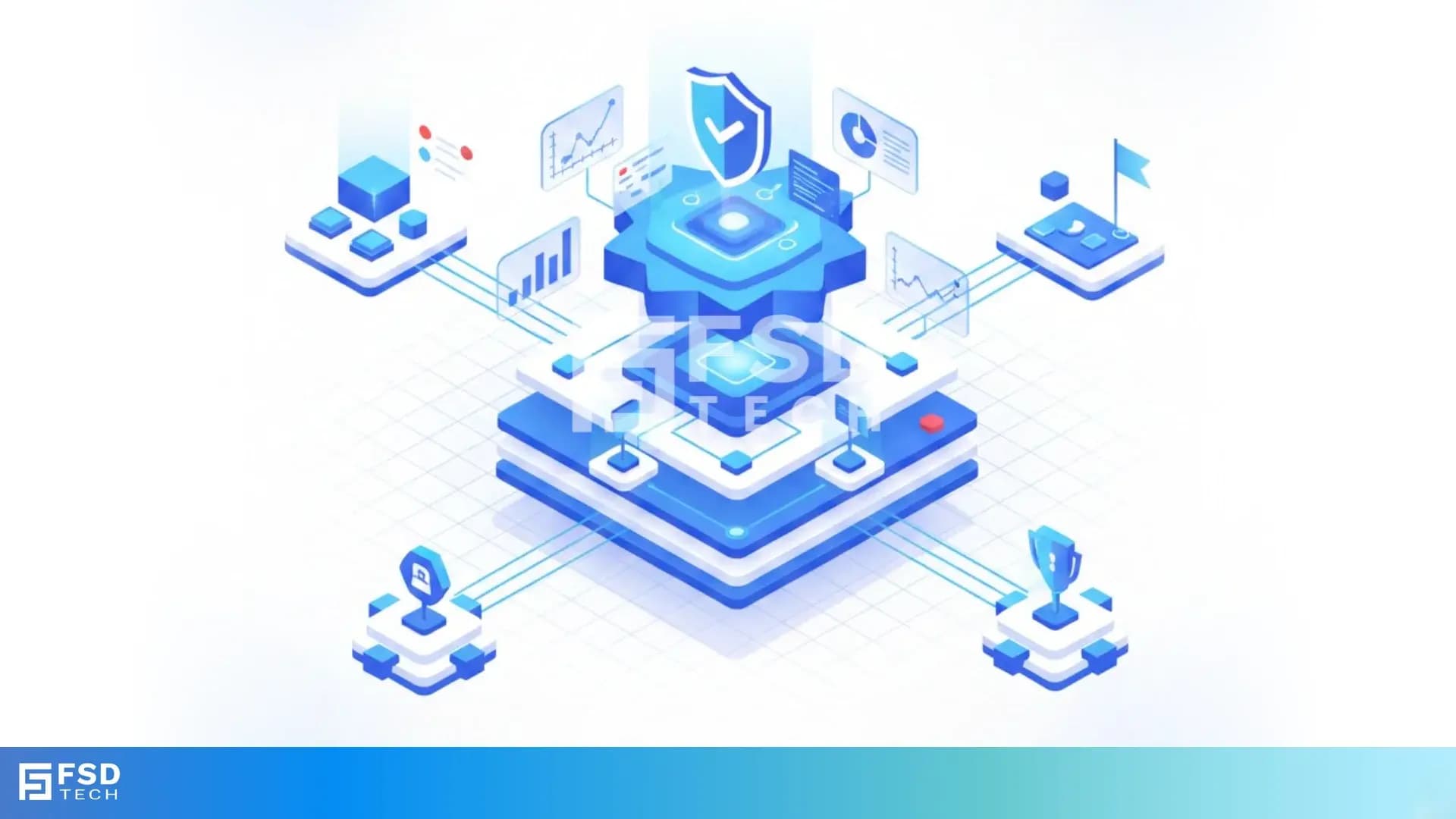
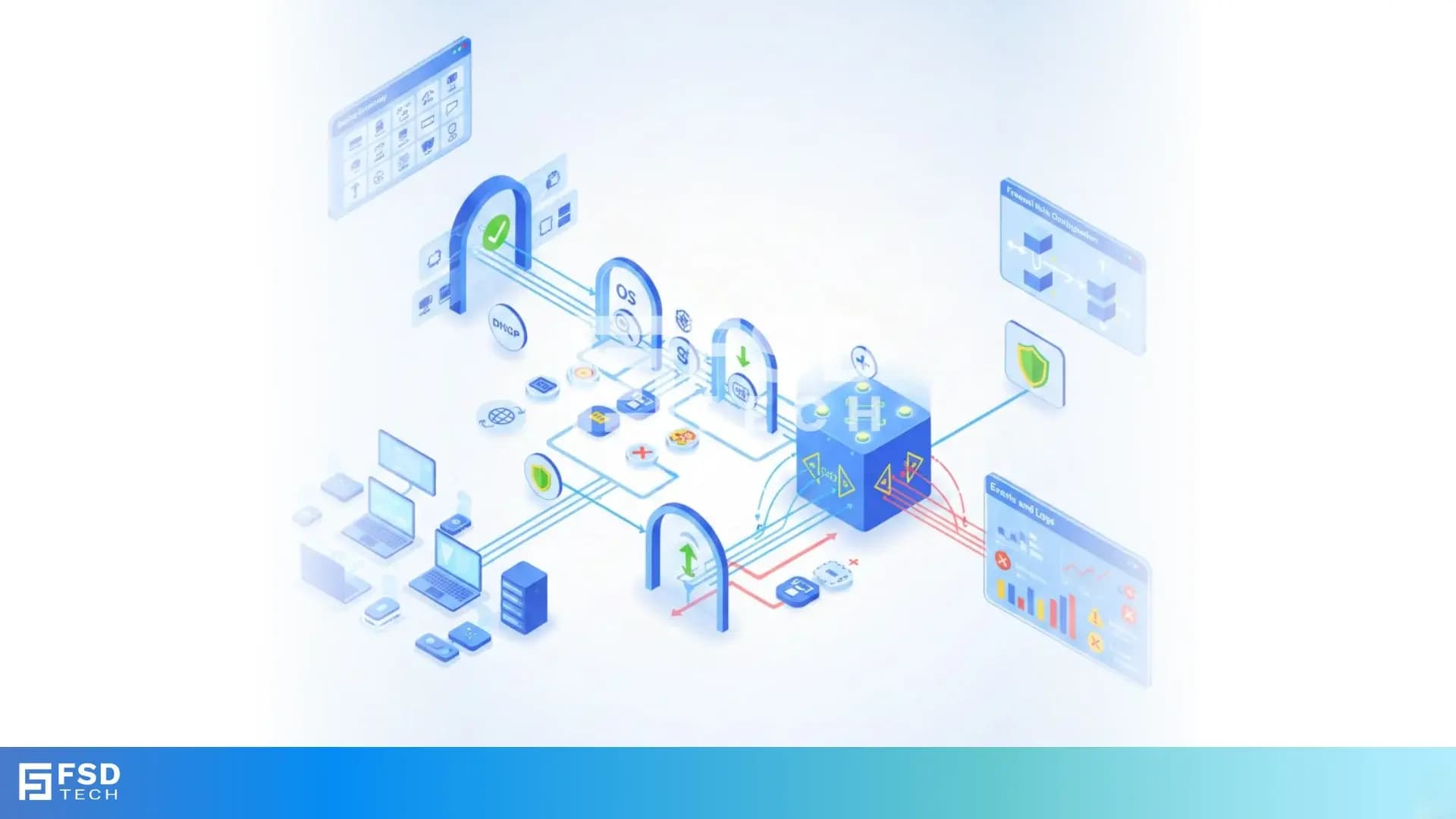
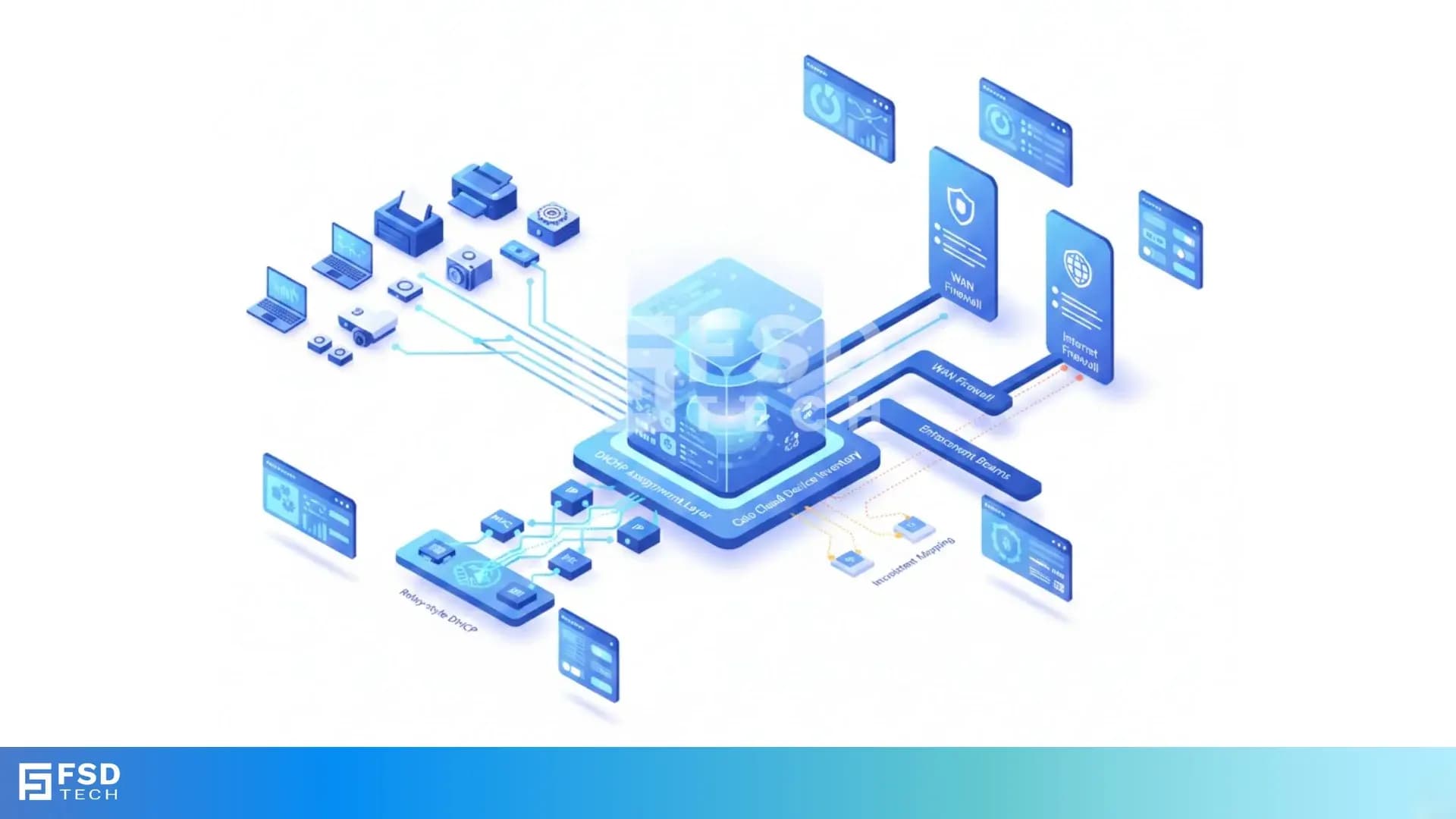
Visual guide showing Cato CMA interface for configuring Internet and WAN firewall rules, enabling threat protection, and monitoring security events in real time for UAE IT teams.

Enforcing Firewall and Threat Protection Policies in Cato

🕓 July 25, 2025

Isometric illustration of professionals managing network performance, bandwidth analytics, and cloud-based optimization around the Cato Networks platform, symbolizing bandwidth control and QoS visibility.

Mastering Bandwidth Control and QoS in Cato Networks

🕓 July 26, 2025

Illustration of the Cato Cloud architecture showing its role in delivering SASE for secure, optimized global connectivity.

Understanding the Cato Cloud and Its Role in SASE

🕓 January 29, 2025

Global network backbone powering Cato SASE solution for secure, high-performance connectivity across regions.

Global Backbone: The Engine Powering Cato’s SASE Solution

🕓 January 30, 2025

BCP / DR
Illustration showing diverse business and IT professionals collaborating with cloud, backup, and security icons, representing Vembu use cases for SMBs, MSPs, and IT teams.

Who Uses Vembu? Real-World Use Cases for SMBs, MSPs & IT Teams

🕓 July 12, 2025

Graphic showcasing Vembu’s all-in-one backup and disaster recovery platform with icons for cloud, data protection, and business continuity for IT teams and SMBs.

What Is Vembu? A Deep Dive Into the All in One Backup & Disaster Recovery Platform

🕓 July 6, 2025

Illustration showing Vembu backup and disaster recovery system with cloud storage, server racks, analytics dashboard, and IT professionals managing data.

The Rising Cost of Data Loss: Why Backup Is No Longer Optional?

🕓 August 14, 2025

3D isometric illustration of cloud backup and data recovery infrastructure with laptop, data center stack, and digital business icons — FSD Tech

RPO & RTO: The Heart of Business Continuity

🕓 August 15, 2025

Automation
Cross-Functional Collaboration with ClickUp

Fostering Cross-Functional Collaboration with ClickUp for Multi-Departmental Projects

🕓 February 11, 2025

ClickUp Project Reporting

Revolutionizing Enterprise Reporting with ClickUp’s Advanced Analytics and Dashboards

🕓 June 16, 2025

ClickUp’s Design Collaboration and Asset Management Tools

Empowering Creative Teams with ClickUp’s Design Collaboration and Asset Management Tools

🕓 February 26, 2025

ClickUp Communication and Collaboration Tools

ClickUp Communication and Collaboration Tools: Empowering Remote Teams

🕓 March 12, 2025

Decoded
Multi-Factor Authentication (MFA)

Multi-Factor Authentication (MFA): All You Need to Know

🕓 December 7, 2025

L3 Switch

What Is an L3 Switch? L2 vs L3 & Why You Need Layer 3?

🕓 December 8, 2025

IPSec

IPSec Explained: Protocols, Modes, IKE & VPN Security

🕓 December 3, 2025

 Datagram Transport Layer Security (DTLS)

What is Datagram Transport Layer Security (DTLS)? How it works?

🕓 December 4, 2025

    Subscribe to our newsletter!

    About Us

    Follow Us

    Copyright © 2024 | Powered by 

    Cato SASE Architecture

    Inside Cato’s SASE Architecture: A Blueprint for Modern Security

    🕓 January 26, 2025

    Enterprise Data Security and Privacy with ClickUp

    Ensuring Enterprise Data Security and Privacy with ClickUp

    🕓 February 9, 2025

    DDoS protection SASE

    DDoS Protection and Cato’s Defence Mechanisms

    🕓 February 11, 2025

    Table of Contents

    Strategies to Eliminate Network Downtime with Cato SASE’s Reliable Global Backbone

    Anas Abdu Rauf
    December 19, 2025
    Comments
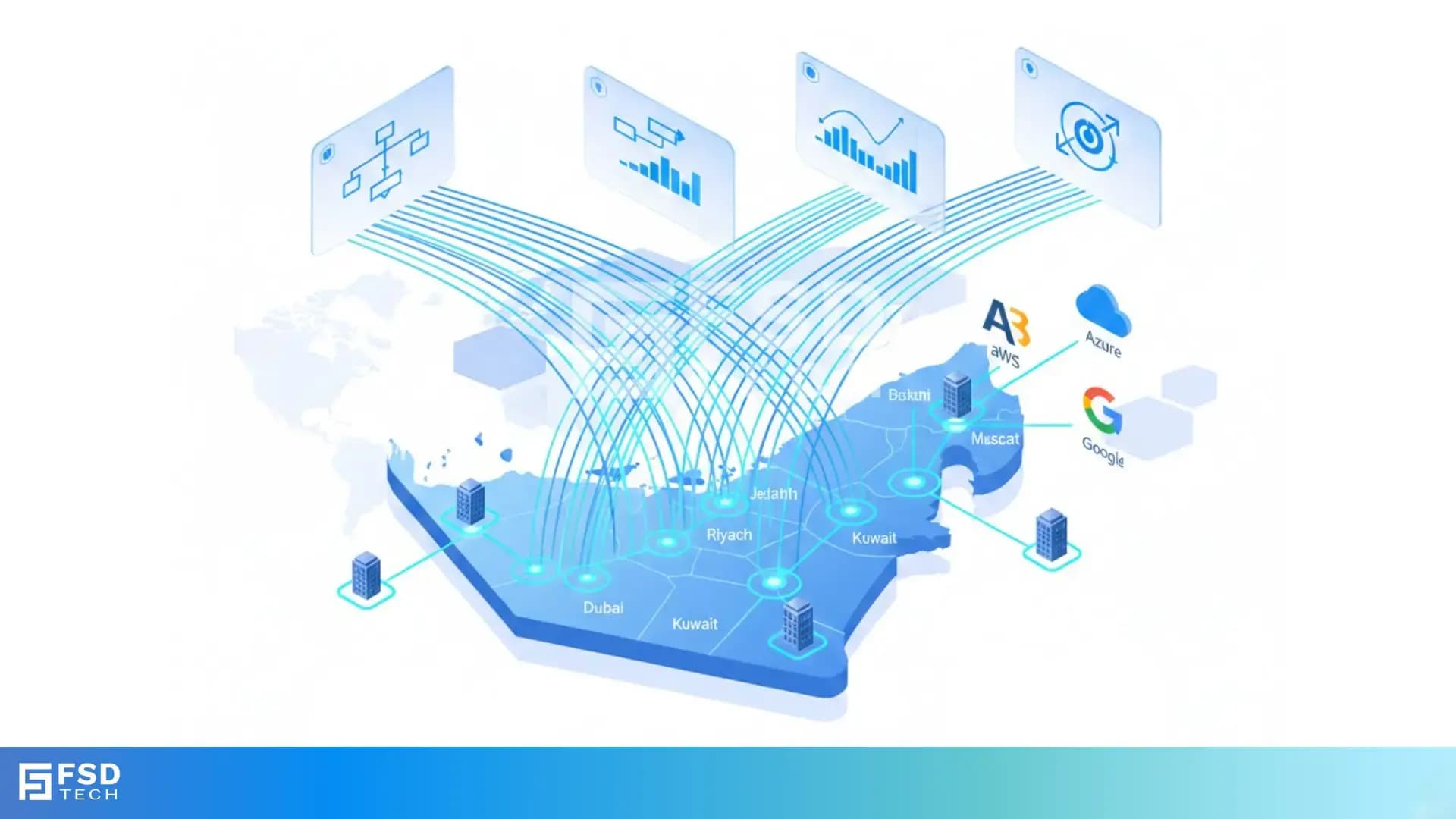
    Illustration showing Cato SASE’s global private backbone across the GCC region, with network nodes in Dubai, Riyadh, Jeddah, Kuwait, Muscat, and Bahrain. Depicts secure connectivity to cloud platforms such as AWS, Azure, and Google, with intelligent traffic routing, analytics, and high availability. FSD Tech branding visible at the bottom

    Key Takeaways

    • Achieve 99.999% network uptime:  Cato SASE’s global private backbone, spanning 85+ PoPs, delivers a 99.999% uptime SLA-minimizing downtime risk for distributed enterprises.
    • Eliminate single points of failure:  Built-in redundancy and automated failover reroute traffic instantly, ensuring uninterrupted service even during link or PoP outages.
    • Unify security and networking:  Cato’s single-pass architecture streamlines operations, reducing complexity and outage risk compared to fragmented SD-WAN or legacy MPLS.
    • Accelerate GCC expansion with confidence:  FSD Tech enables rapid, compliant deployment of Cato SASE across the GCC, aligning global innovation with local regulatory needs.
    • Gain real-time visibility and control:  The Cato SPACE Engine delivers proactive analytics, empowering IT teams to detect and resolve issues before they impact users.
    • Optimize performance for cloud and remote users:  Advanced routing, WAN optimization, and application-aware policies ensure consistent low latency and high throughput worldwide.


    The High Cost of Network Downtime in a Global Economy

    Network downtime is more than an inconvenience—it’s a direct threat to business continuity, productivity, and reputation. In today’s hyper-connected landscape, every minute of lost connectivity can translate to thousands of dollars in lost revenue, missed SLAs, and erosion of customer trust. For infrastructure leaders and network reliability engineers, the mandate is clear: architect networks that are resilient, agile, and always available—regardless of geography, cloud adoption, or user location.


    Why Traditional Networks Fall Short

    The Limitations of Public Internet Routes

    The public internet is inherently unreliable for enterprise-grade connectivity. Routing decisions are made on a best-effort basis, with no guarantees for latency, packet loss, or uptime. Congestion, route flapping, and regional outages are common, especially across long-haul or cross-border links. For organizations with global operations or distributed workforces, this results in:

    • Unpredictable application performance
    • Frequent brownouts and outages
    • Security blind spots due to lack of integrated controls

    MPLS and Legacy WAN: Bottlenecks and Blind Spots

    MPLS networks were designed for reliability, but at the cost of agility and scalability. Provisioning new sites can take weeks or months, and costs scale linearly with bandwidth and geography. Security is often layered on through separate appliances, creating integration gaps and operational silos. As cloud adoption accelerates, backhauling traffic to centralized data centers introduces additional latency and complexity—undermining digital transformation goals.


    Cato SASE’s Global Private Backbone: The Engine of Resilience

    Architecture Overview: 85+ PoPs and Tier-1 Carrier Redundancy

    Cato SASE’s backbone is a cloud-native, global private network spanning more than 85 Points of Presence (PoPs) in major business hubs worldwide. Each PoP is interconnected via multiple tier-1 carrier links, forming a resilient mesh that eliminates single points of failure. Key architectural features include:

    • Multi-carrier interconnects:  Every PoP connects to several independent tier-1 providers, ensuring path diversity and redundancy at every hop.
    • Global reach: PoPs are strategically located to minimize latency for users and applications, regardless of region.
    • Direct cloud peering:  Integration with major cloud providers ensures optimal routing for SaaS, IaaS, and hybrid workloads.

    Unlike SD-WAN overlays or fragmented SASE offerings, Cato’s backbone is purpose-built for unified networking and security, with all traffic routed through the nearest PoP for inspection, optimization, and secure forwarding.

    99.999% Uptime SLA: What It Means for Your Business

    Cato SASE’s backbone is backed by a 99.999% uptime SLA—equivalent to less than 5.26 minutes of downtime per year. This is achieved through:

    •  Carrier redundancy:  Multiple independent links at every PoP, eliminating single points of failure.
    •  Automated failover:  Instant, software-driven rerouting in the event of link or PoP degradation.
    •  Continuous monitoring:  Real-time health checks and performance analytics across the entire backbone.
    •  SLA-backed performance:  Guaranteed thresholds for latency, packet loss, and jitter, not just availability.

    For GCC-based enterprises and global organizations alike, this translates to predictable, always-on connectivity for every site, user, and cloud workload.


    Unified SASE: Eliminating Downtime Through Convergence

    Single-Pass Processing: Security and Networking in One Flow

    Cato’s single-pass architecture processes each packet once, applying all security and networking policies in a unified flow. This eliminates the performance penalties and integration gaps of multi-appliance or multi-vendor solutions. Benefits include:

    • Reduced latency:  No need to hairpin traffic through separate security stacks.
    • Simplified troubleshooting:  Unified visibility and policy enforcement reduce the risk and duration of outages.
    • Consistent security:  Policies travel with the traffic, regardless of user location or device.

    Automated Failover and Self-Healing Capabilities

    Resilience is engineered into every layer of the Cato backbone:

    • Instant failover:  If a PoP or backbone link fails or degrades, traffic is automatically rerouted via the next-best path—no manual intervention required.
    • Self-healing mesh:  Multiple redundant paths ensure that even during major internet or cloud outages, business-critical applications remain accessible.
    • Forward error correction:  Real-time correction and packet duplication further protect against packet loss and jitter, especially for latency-sensitive workloads like VoIP and video.

    Visibility and Analytics: Proactive Issue Resolution

    The Cato SPACE Engine provides real-time, end-to-end visibility into network health, application performance, and security events. IT teams can:

    • Pinpoint bottlenecks:  Rapidly identify and resolve issues before they impact users.
    • Monitor application SLAs:  Track performance metrics for critical workloads across the entire backbone.
    • Respond to incidents:  During major outages (such as the 2025 AWS incident), Cato customers leveraged analytics to reroute traffic around affected regions, maintaining uptime while others experienced significant disruption.


    Case Studies: Network Resilience in Action

    Surviving a Major Cloud Outage with Zero Downtime

    During a major cloud provider outage, organizations relying on the public internet or fragmented SASE solutions faced hours of downtime. In contrast, Cato SASE customers used real-time analytics to identify the affected region and instantly reroute traffic via alternative PoPs. Mission-critical applications remained online, and users experienced no interruption—demonstrating the value of a unified, resilient backbone.

    Hypothetical Example: Seamless Expansion Across the GCC

    A multinational enterprise expanding into the GCC partners with FSD Tech to deploy Cato SASE. Within days, new branch offices are connected to the global backbone, enjoying the same low-latency, secure access as established sites in Europe and Asia. Compliance requirements are met through FSD Tech’s local expertise, and network policies are enforced consistently across all locations—without the delays, risks, or integration challenges of public internet provisioning.


    FSD Tech: Bringing Cato SASE to the GCC

    Local Expertise, Global Backbone

    FSD Tech serves as the regional enabler for Cato SASE, bridging global innovation with local execution for organizations across the GCC. Key advantages include:

    • Rapid deployment:  New sites can be brought online in days, not weeks, with instant access to the global backbone.
    • Regional support:  Local teams provide onboarding, optimization, and ongoing support, tailored to GCC business needs.
    • Expert guidance:  FSD Tech ensures that Cato SASE deployments align with regional compliance, data residency, and regulatory requirements.

    Compliance and Support Tailored to Regional Needs

    The partnership between Cato Networks and FSD Tech ensures that GCC organizations can leverage the full power of a global private backbone, with the assurance of local compliance and personalized support. Whether expanding across the UAE, Saudi Arabia, or the broader Middle East, enterprises benefit from:

    •  Consistent security enforcement:  All traffic is inspected and secured at the nearest PoP, regardless of user location.
    •  Unified policy management:  Security and networking policies are managed centrally, reducing operational overhead and risk.
    •  Ongoing optimization:  FSD Tech provides proactive performance tuning and rapid response to emerging issues, ensuring continuous uptime.


    Conclusion: Building a Future-Ready, Always-On Network

    Cato SASE, enabled by FSD Tech, empowers organizations to eliminate network downtime, ensure always-on connectivity, and build a resilient, future-ready infrastructure. By unifying networking and security on a global private backbone—with built-in redundancy, automated failover, and real-time analytics—enterprises gain the agility and reliability needed to thrive in a cloud-first, distributed world. For GCC-based businesses and global enterprises alike, the result is a secure, high-performance network foundation that scales with ambition and adapts to change.


    Build a network designed for zero downtime→ Explore Cato SASE with FSD Tech.
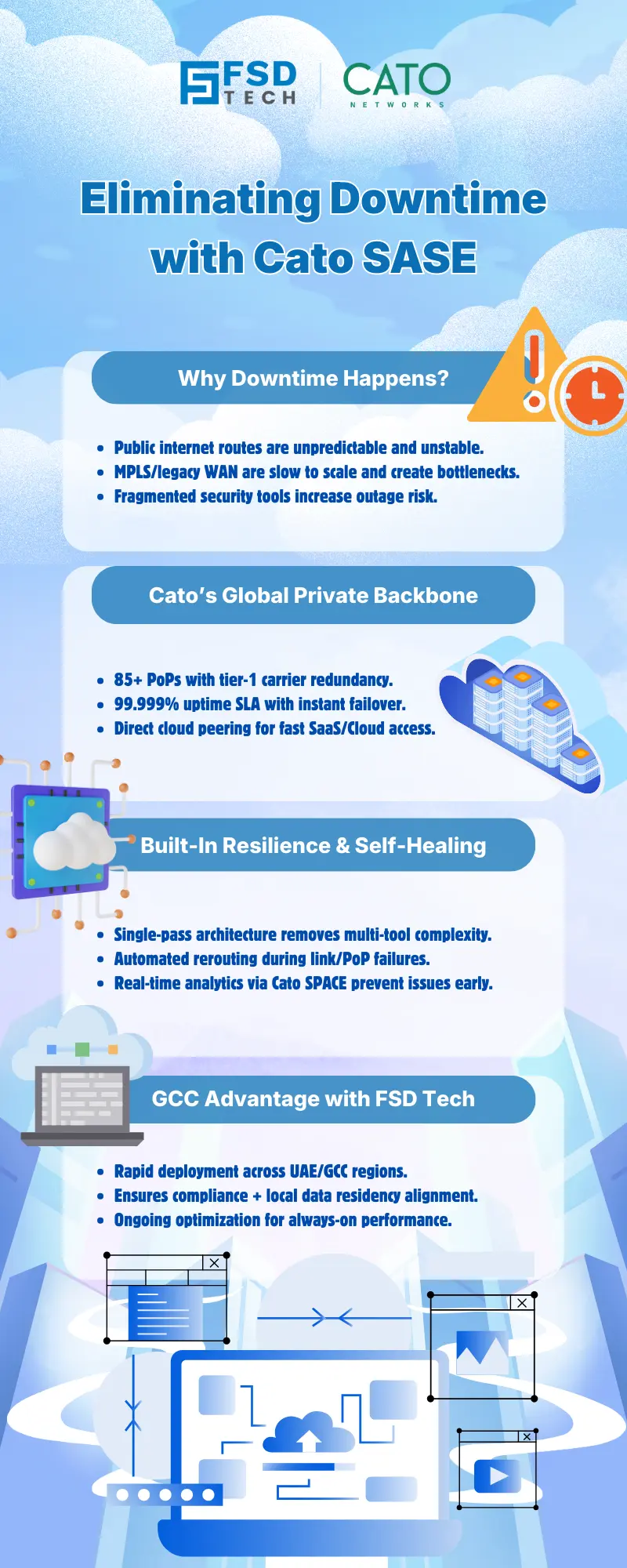
     

    Infographic titled ‘Eliminating Downtime with Cato SASE’ by FSD Tech and Cato Networks. Explains causes of network downtime, including unstable internet routes and legacy WAN bottlenecks, and highlights Cato’s global private backbone, built-in resilience, self-healing architecture, and GCC deployment advantages for always-on network performance


    FAQ

    How does Cato SASE’s uptime compare to traditional MPLS or SD-WAN solutions?

    Cato SASE delivers a 99.999% uptime SLA, leveraging a global private backbone with built-in redundancy and automated failover. This level of availability outperforms both MPLS and SD-WAN solutions, which often depend on the public internet or fragmented architectures that introduce more points of failure and longer recovery times.


    What happens if a PoP or backbone link fails?

    If a Point of Presence (PoP) or backbone link experiences degradation or failure, Cato’s software instantly reroutes traffic via alternative PoPs and carrier paths. This automated failover ensures uninterrupted service, eliminating the need for manual intervention and minimizing the risk of downtime.


    How does Cato handle real-time applications like VoIP or video?

    Cato SASE uses forward error correction, packet duplication, and WAN optimization to minimize packet loss and jitter. These features are especially beneficial for latency-sensitive applications such as VoIP and video conferencing, ensuring consistent performance even over challenging network segments.


    Can Cato SASE support compliance and data residency in the GCC?

    Yes. FSD Tech ensures that Cato SASE deployments in the GCC align with regional compliance and data residency requirements. Local expertise and support help organizations meet regulatory obligations while benefiting from the global backbone’s performance and security.


    How quickly can new sites be brought online with Cato SASE?

    New locations can be connected in days, not weeks. FSD Tech enables rapid onboarding, providing instant access to the global backbone and unified security policies, which is particularly valuable for fast-moving enterprises expanding across the GCC.


    What are the main advantages of a global private backbone over the public internet?

    A global private backbone offers predictable performance, guaranteed uptime, and built-in security. Unlike the public internet, which is subject to congestion and outages, Cato’s backbone uses tier-1 carrier links, redundancy, and intelligent routing to ensure optimal path selection and maximum availability.


    How does Cato SASE reduce operational complexity for infrastructure teams?

    By unifying networking and security in a single-pass architecture, Cato SASE eliminates the need for multiple appliances and management consoles. This streamlines troubleshooting, reduces integration gaps, and lowers the risk of outages caused by configuration errors or fragmented policies.


    What visibility does Cato SASE provide into network health and performance?

    The Cato SPACE Engine delivers real-time, end-to-end visibility across the entire backbone. IT teams can monitor network health, application performance, and security events, enabling proactive detection and resolution of issues before they impact users.


    How does Cato SASE ensure consistent security enforcement for remote and branch users?

    All traffic—regardless of user location—is inspected and secured at the nearest PoP. Integrated security features such as Firewall-as-a-Service (FWaaS), Secure Web Gateway (SWG), and Cloud Access Security Broker (CASB) travel with the traffic, ensuring consistent policy enforcement and reducing exposure to security incidents.


    What is the role of FSD Tech in Cato SASE deployments in the GCC?

    FSD Tech acts as the regional enabler for Cato SASE, providing local deployment, compliance alignment, and ongoing support. This partnership bridges global backbone innovation with the specific needs of GCC organizations, ensuring successful, compliant, and optimized implementations.


    How does Cato SASE handle major cloud or internet outages?

    Cato SASE’s automated failover and self-healing mesh architecture allow traffic to be rerouted instantly around affected regions or links. During major outages, such as those impacting public cloud providers, Cato customers have maintained uptime by leveraging real-time analytics and alternative backbone paths.


    Can Cato SASE improve performance for remote and mobile users?

    Yes. Cato’s WAN optimization and advanced TCP congestion control can improve data throughput by up to 40x, delivering a consistent, high-performance experience for remote and mobile users accessing cloud or on-premises resources.


    How does Cato SASE support digital transformation and cloud migration initiatives?

    By providing a unified, cloud-native backbone with integrated security, Cato SASE enables seamless connectivity to SaaS, IaaS, and hybrid environments. This accelerates cloud adoption, reduces migration risk, and ensures that security policies are consistently enforced across all workloads.


    What kind of support and optimization does FSD Tech provide post-deployment?

    FSD Tech delivers ongoing optimization, proactive performance tuning, and rapid response to emerging issues. Their local presence ensures that GCC organizations receive personalized support and continuous alignment with evolving regulatory and business requirements.


    How does Cato SASE handle application-aware routing and prioritization?

    Cato SASE uses real-time monitoring and analytics to identify application traffic and apply intelligent routing policies. This ensures that critical applications receive priority and optimal path selection, improving user experience and reducing the risk of performance-related downtime.


    Is Cato SASE suitable for organizations with hybrid or multi-cloud environments?

    Absolutely. Cato SASE’s global backbone and direct cloud peering enable secure, high-performance connectivity across hybrid and multi-cloud architectures. Security and networking policies are enforced consistently, regardless of where applications or users reside.


    What are the key differentiators of Cato SASE compared to other SASE solutions?

    Cato SASE stands out for its unified, cloud-native backbone, single-pass architecture, and 99.999% uptime SLA. The platform’s convergence of networking and security, combined with FSD Tech’s regional expertise in the GCC, delivers a complete, reliable, and future-ready solution for organizations seeking to eliminate network downtime and complexity.

    Strategies to Eliminate Network Downtime with Cato SASE’s Reliable Global Backbone

    About The Author

    Anas Abdu Rauf

    Anas is an Expert in Network and Security Infrastructure, With over seven years of industry experience, holding certifications Including CCIE- Enterprise, PCNSE, Cato SASE Expert, and Atera Certified Master. Anas provides his valuable insights and expertise to readers.

    Like This Story?

    Share it with friends!

    Subscribe to our newsletter!

    Atera

    (48)

    Cato Networks

    (109)

    ClickUp

    (61)

    FishOS

    (7)

    Miradore

    (21)

    PointGuard AI

    (9)

    Vembu

    (22)

    Xcitium

    (33)

    ZETA HRMS

    (63)

    Workflow Automation(2)

    Workforce Automation(1)

    AI Project Management(1)

    HR Data Automation(1)

    RMM(1)

    IT Workflow Automation(1)

    IT security(2)

    GCC compliance(3)

    Payroll Integration(2)

    IT support automation(2)

    procurement automation(1)

    lost device management(1)

    IT Management(5)

    IoT Security(2)

    Cato XOps(2)

    IT compliance(4)

    Workflow Management(1)

    Task Automation(1)

    OpenStack automation(1)

    AI-powered cloud ops(1)

    Kubernetes lifecycle management(2)

    SMB Security(8)

    Data Security(1)

    MDR (Managed Detection & Response)(4)

    MSP Automation(2)

    Atera Integrations(2)

    XDR Security(2)

    SMB Cyber Protection(1)

    Ransomware Defense(3)

    HR Tech Solutions(1)

    Zero Trust Network Access(3)

    Zero Trust Security(2)

    Endpoint Management(1)

    SaaS Security(1)

    Payroll Automation(5)

    IT Monitoring(2)

    Xcitium EDR SOC(15)

    Ransomware Protection GCC(1)

    M&A IT Integration(1)

    Network Consolidation UAE(1)

    MSSP for SMBs(1)

    Ransomware Protection(3)

    Managed EDR FSD-Tech(1)

    SMB Cybersecurity GCC(1)

    Antivirus vs EDR(1)

    FSD-Tech MSSP(25)

    Cybersecurity GCC(12)

    Endpoint Security(1)

    Endpoint Protection(1)

    Data Breach Costs(1)

    SMB Cybersecurity(8)

    Managed Security Services(2)

    Xcitium EDR(30)

    Zero Dwell Containment(31)

    Hybrid Backup(1)

    Cloud Backup(1)

    Backup & Recovery(1)

    pointguard ai(4)

    disaster recovery myths(1)

    backup myths(1)

    vembu(9)

    SMB data protection(9)

    Vembu BDR Suite(19)

    Disaster Recovery(4)

    GCCBusiness(1)

    DataProtection(1)

    Secure Access Service Edge(4)

    GCC HR software(14)

    Miradore EMM(15)

    Cato SASE(7)

    Cloud Security(8)

    Talent Development(1)

    AI Compliance(2)

    AI Governance(4)

    AI Risk Management(1)

    AI Security(2)

    AI Cybersecurity(12)

    GCC business security(1)

    GCC network integration(1)

    compliance automation(3)

    GCC cybersecurity(2)

    education security(1)

    Miradore EMM Premium+(5)

    BYOD security Dubai(8)

    App management UAE(1)

    MiddleEast(1)

    HealthcareSecurity(1)

    Team Collaboration(1)

    IT automation(9)

    Zscaler(1)

    SD-WAN(6)

    HR Integration(4)

    Cloud Networking(3)

    device management(9)

    VPN(1)

    ZeroTrust(2)

    RemoteWork(1)

    MPLS(1)

    Project Management(9)

    HR automation(14)

    share your thoughts

    Illustration showing Cato SASE’s global private backbone across the GCC region, with network nodes in Dubai, Riyadh, Jeddah, Kuwait, Muscat, and Bahrain. Depicts secure connectivity to cloud platforms such as AWS, Azure, and Google, with intelligent traffic routing, analytics, and high availability. FSD Tech branding visible at the bottom

    Strategies to Eliminate Network Downtime with Cato SASE’s Reliable Global Backbone

    🕓 December 19, 2025

    Illustration showing a transition from old, wired on-premise servers to a modern Cato SASE cloud network. The left side depicts multiple physical servers with tangled cables, while the right side shows a global cloud platform delivering secure connectivity, analytics, and networking across regions, with users connected worldwide. FSD Tech branding visible at the bottom.

    Beyond VPN Limitations: Why Cato SASE Is the Better Choice for Remote Workforces

    🕓 December 16, 2025

    Illustration of Cato SASE managing multi-cloud environments with centralized security, showing AWS, Google Cloud, SaaS apps, and back-and-forth data flow connected to a secure core, monitored by IT operators using a unified Cato dashboard.

    Top Strategies to Address Multi-Cloud Security Risks with Cato SASE

    🕓 December 11, 2025

    Decoded(27)

    Cyber Security(110)

    BCP / DR(22)

    Zeta HRMS(62)

    SASE(21)

    Automation(61)

    Next Gen IT-Infra(109)

    Monitoring & Management(69)

    ITSM(22)

    HRMS(21)

    Automation(24)