.webp&w=3840&q=75)
How ClickUp Enables Outcome-Based Project Management (Not Just Task Tracking)
🕓 February 15, 2026
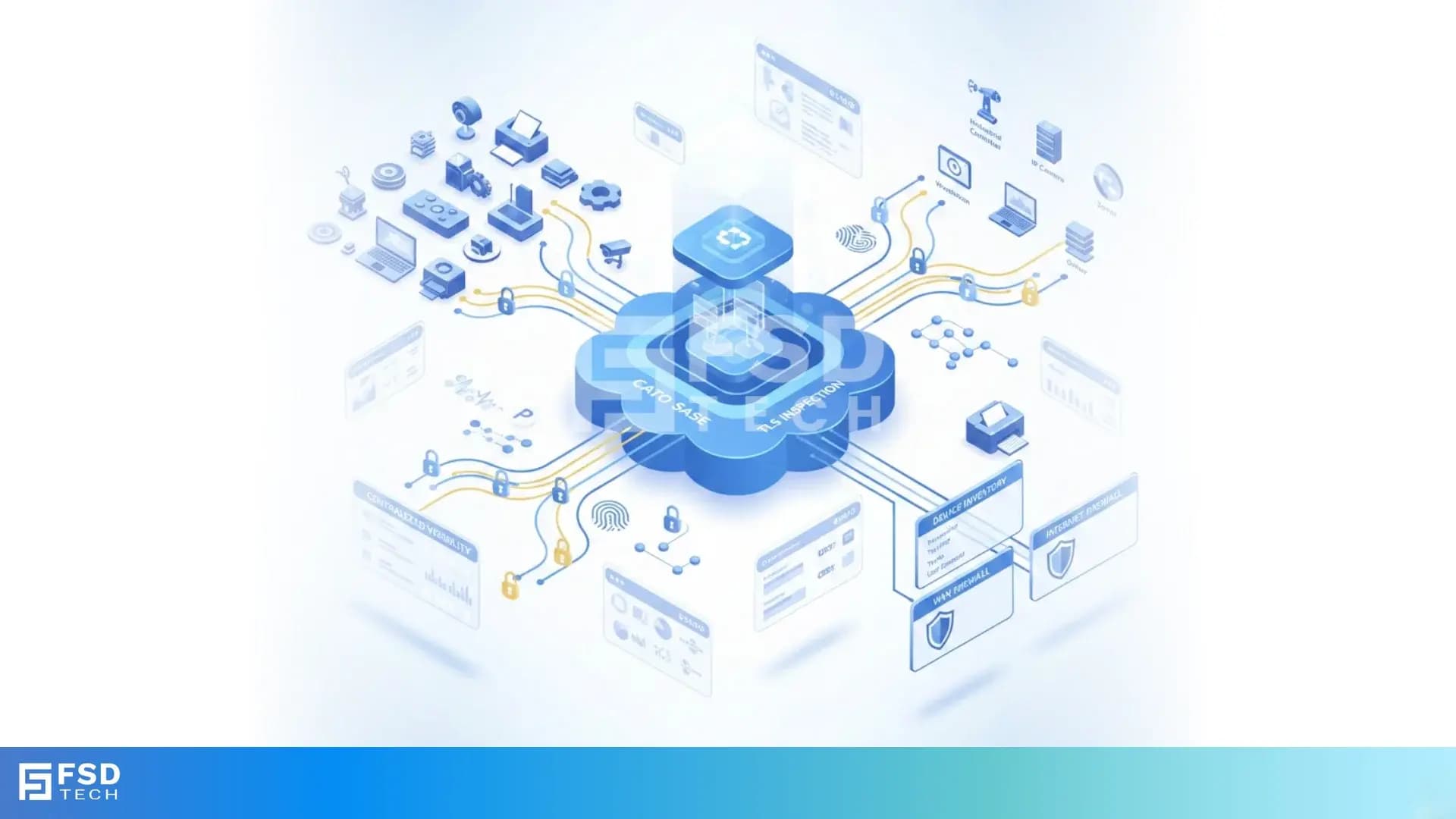
In modern enterprise networks, device classification accuracy directly impacts security outcomes. When security teams don’t know what a device truly is, they can’t confidently control what it’s allowed to do.
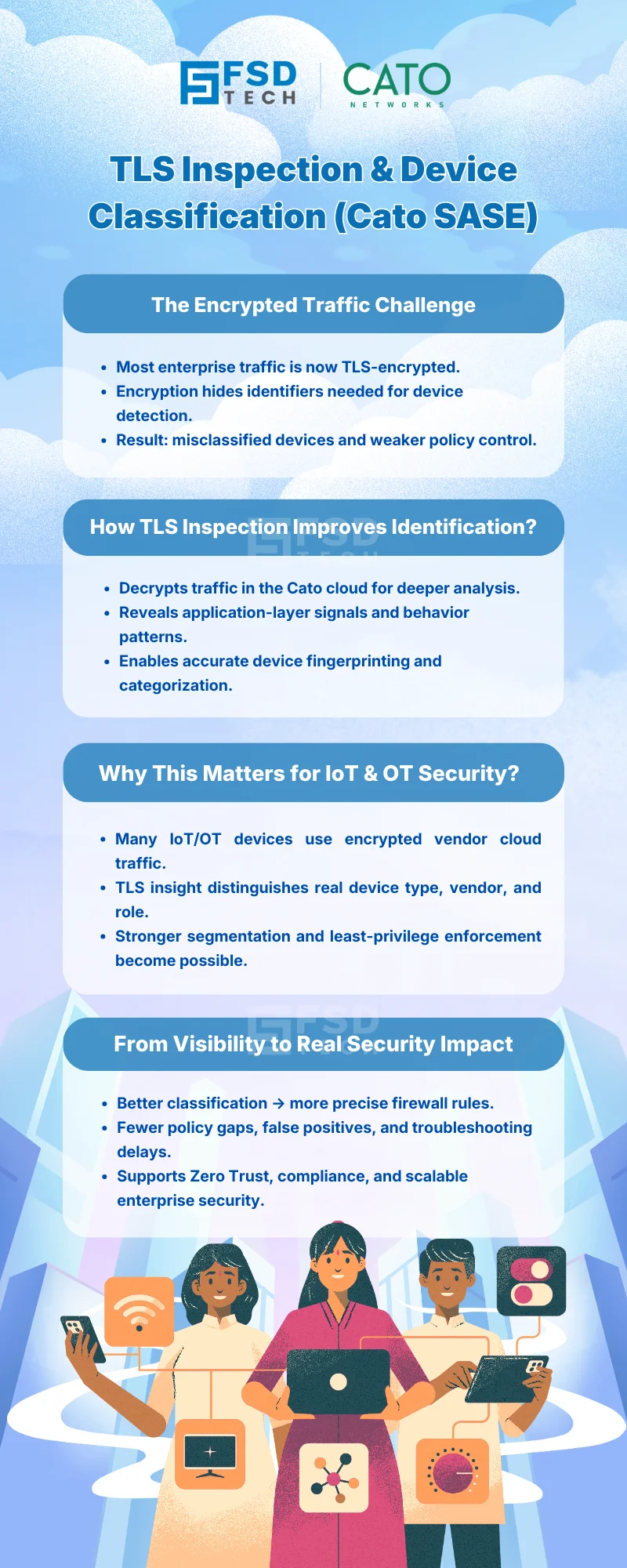
This challenge becomes more severe as traffic increasingly moves to encrypted TLS sessions. While encryption protects data privacy, it also hides critical indicators that security systems traditionally relied on for identification.
Cato SASE addresses this challenge by combining TLS Inspection with its Device Inventory engine, enabling deeper, more reliable device classification — even in highly encrypted environments.
The result is not just better visibility, but more precise and enforceable device-based security policies.
Without TLS Inspection, device identification relies primarily on:
While useful, these signals are often insufficient for accurate classification, especially for:
This limitation can lead to:
TLS Inspection allows Cato to see deeper into traffic behavior without breaking security architecture.
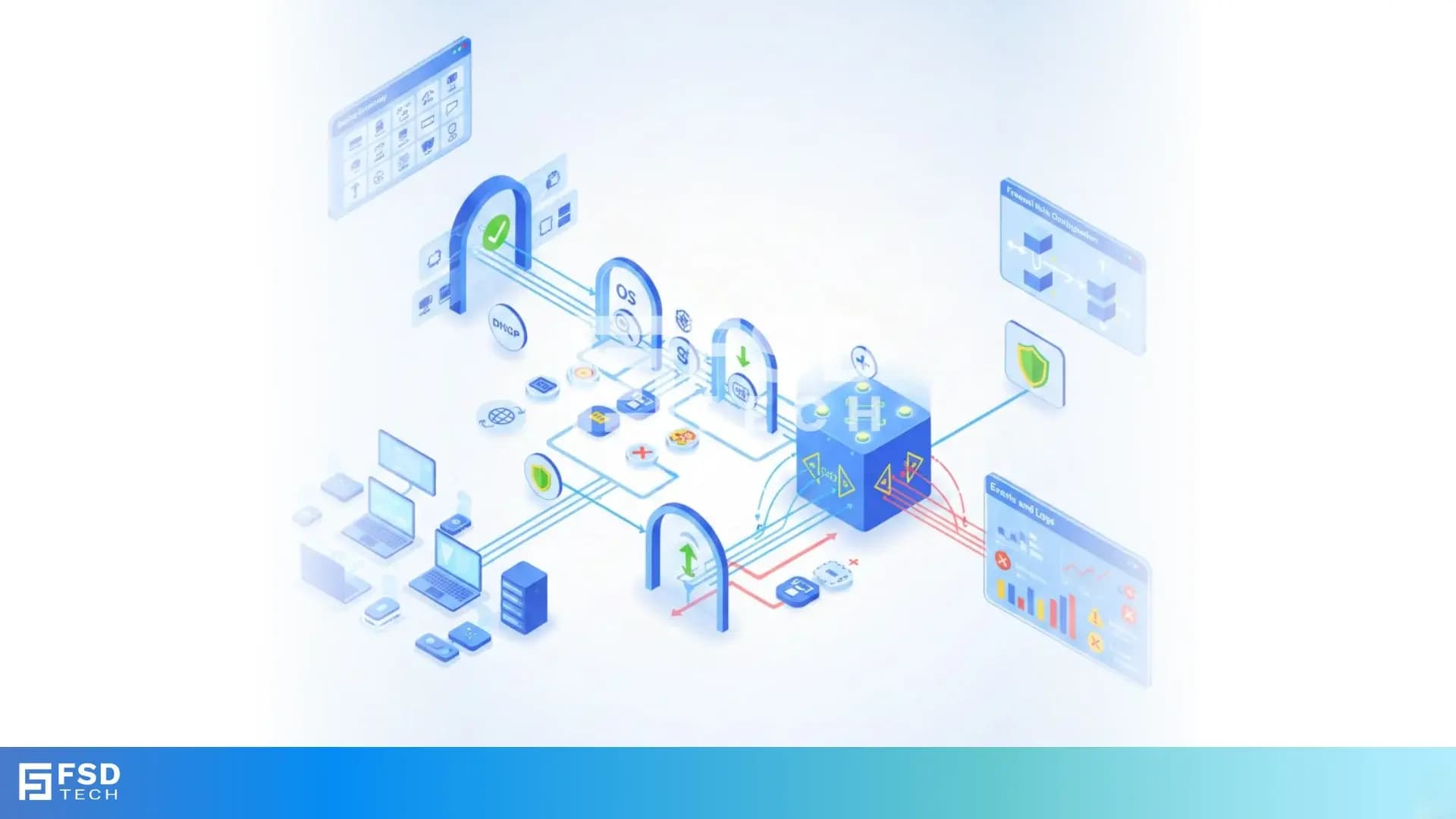
Cato’s TLS Inspection capability decrypts and inspects encrypted traffic within the Cato cloud, allowing the platform to analyze richer traffic metadata.
When enabled, TLS Inspection allows Cato to:
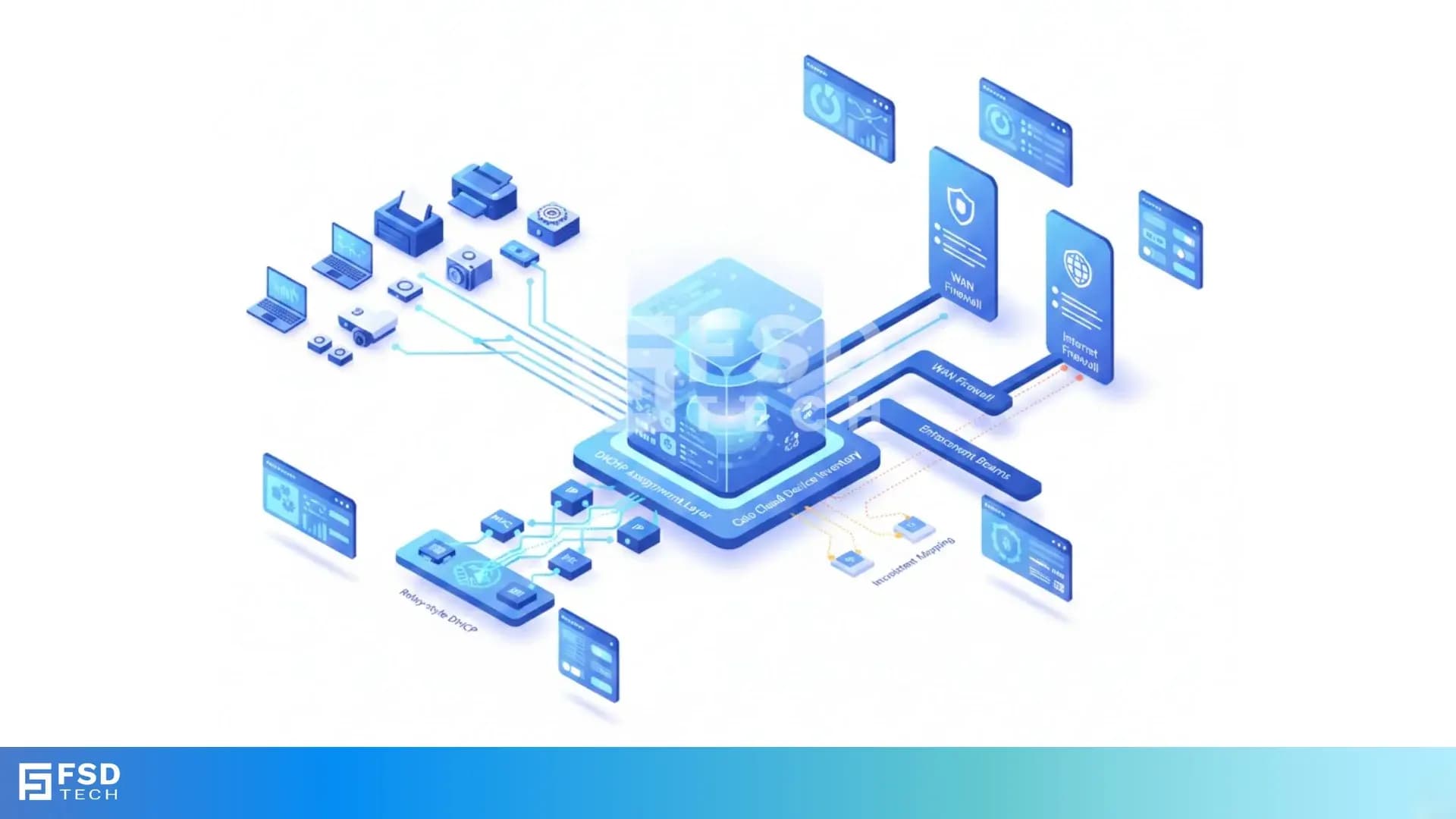
This directly improves how devices are categorized within the Cato Device Inventory, which then feeds enforcement logic across the Cato WAN Firewall and Internet Firewall.
IoT and OT devices frequently:
Without TLS Inspection, these devices may appear as:
With TLS Inspection enabled, Cato can:
This is especially critical when applying device-aware segmentation and internet access controls, as discussed in earlier days of this series.
Device-aware security policies are only as strong as the data behind them.
Improved classification accuracy allows organizations to:
In Cato SASE, better classification directly improves the effectiveness of device-based WAN and Internet Firewall rules.
Beyond security posture, TLS Inspection delivers tangible operational advantages:
This enables teams to shift from reactive troubleshooting to proactive policy governance.
Accurate device classification is foundational to:
By integrating TLS Inspection directly into its SASE platform, Cato removes the trade-off between visibility and encryption, allowing organizations to remain secure without sacrificing insight.
This reinforces Cato’s position as a unified, cloud-native security platform rather than a collection of disconnected tools.
Strengthen device-aware policies with accurate classification and TLS visibility→ Reserve your 30-minute Zero Trust consultation now.
TLS Inspection allows Cato SASE to analyze encrypted traffic at the application layer, enabling more accurate device fingerprinting and classification. This improves how devices are identified within the Device Inventory and how policies are enforced using Cato WAN and Internet Firewalls.
No. Cato SASE can identify devices without TLS Inspection using passive detection methods. However, enabling TLS Inspection significantly improves classification accuracy, especially for IoT and OT devices that primarily communicate over encrypted channels.
Yes. Improved classification accuracy directly enhances device-based enforcement in both Cato WAN Firewall and Internet Firewall rules, ensuring policies apply to the correct device types and categories.
Absolutely. TLS Inspection provides deeper traffic insights that help Cato distinguish IoT and OT devices from IT endpoints, reducing generic or incorrect classifications.
TLS Inspection in Cato SASE is performed within the Cato cloud, maintaining a centralized enforcement and visibility model without requiring on-premises inspection infrastructure.
Cato SASE is designed to perform TLS Inspection at scale within its global cloud backbone. This allows organizations to gain deeper visibility while maintaining consistent performance and user experience.
Zero Trust relies on accurate context. TLS Inspection enhances device context by improving classification accuracy, allowing Cato SASE to enforce precise, least-privilege policies based on real device identity rather than assumptions.
Encryption should not mean blindness.
Cato SASE demonstrates that strong encryption and deep visibility can coexist. By using TLS Inspection to enhance device classification accuracy, Cato enables organizations to build security policies that are both precise and scalable.
This capability transforms encrypted traffic from a blind spot into a trusted source of security intelligence—strengthening every layer of device-aware enforcement.

Anas is an Expert in Network and Security Infrastructure, With over seven years of industry experience, holding certifications Including CCIE- Enterprise, PCNSE, Cato SASE Expert, and Atera Certified Master. Anas provides his valuable insights and expertise to readers.
Share it with friends!



.webp&w=3840&q=75)

.webp&w=3840&q=75)
share your thoughts