.webp&w=3840&q=75)
How ClickUp Enables Outcome-Based Project Management (Not Just Task Tracking)
🕓 February 15, 2026
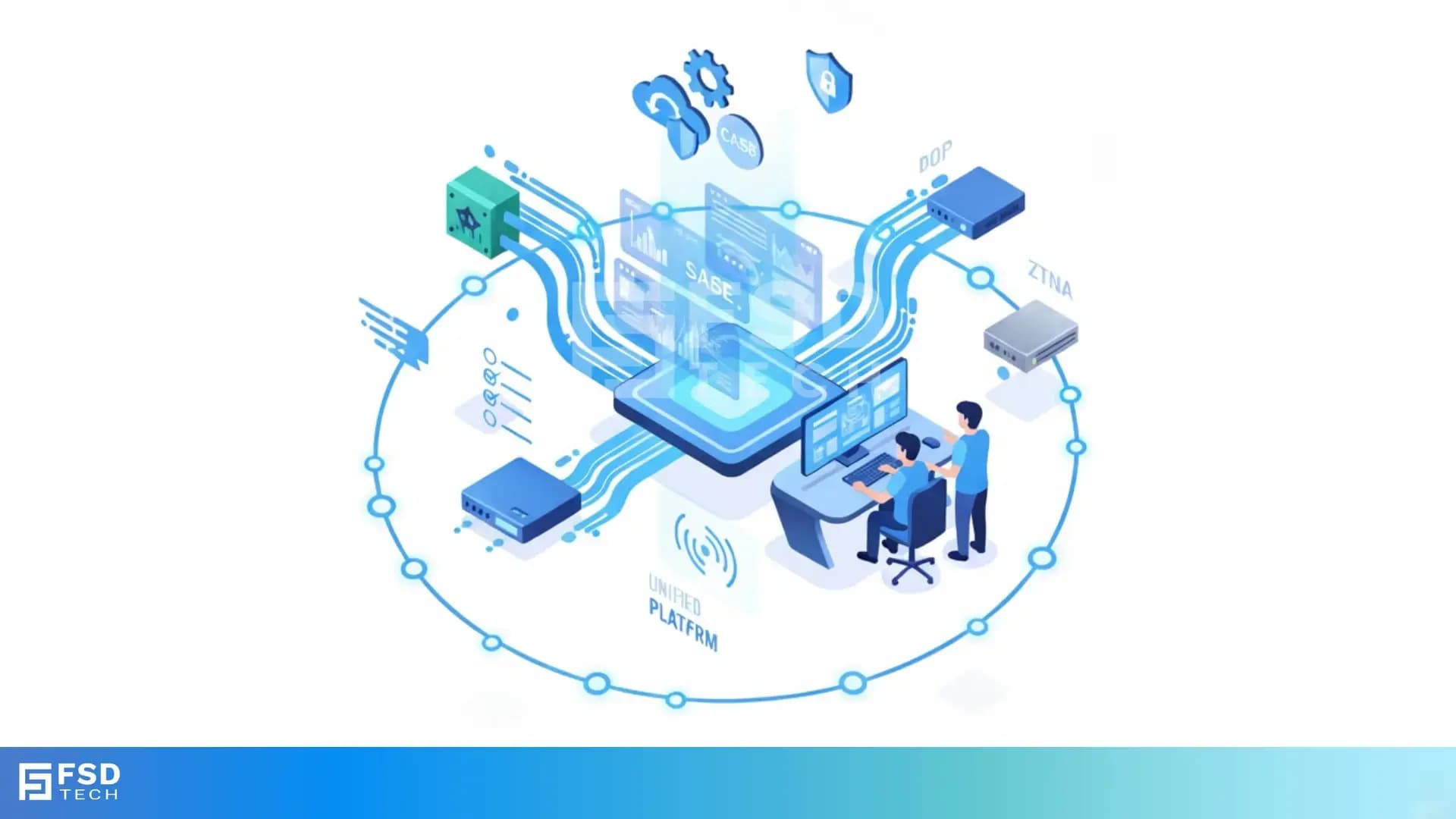
For IT operations directors and infrastructure heads, the reality of managing modern enterprise networks is often defined by fragmentation. Over time, organizations accumulate a patchwork of point solutions—firewalls, VPNs, SD-WAN appliances, cloud security gateways—each with its own management interface, update cycle, and operational quirks.
This “swivel chair” environment forces teams to jump between consoles to enforce policies, diagnose issues, or respond to incidents. The operational impact is significant:
Consider a regional bank operating across the GCC. Each branch relied on its own mix of security appliances and WAN devices. When a new regulatory requirement emerged, IT had to manually update policies on dozens of devices per site. The process took weeks, and audits revealed inconsistent enforcement—exposing the organization to compliance penalties.
Another example: a logistics provider with over 20 sites struggled to maintain consistent security policies during a cloud migration. Configuration drift and audit headaches were common, as IT teams raced to keep up with evolving requirements across multiple management consoles.
These scenarios are not unique. Across the region, enterprises face similar challenges as they balance growth, compliance, and digital transformation.
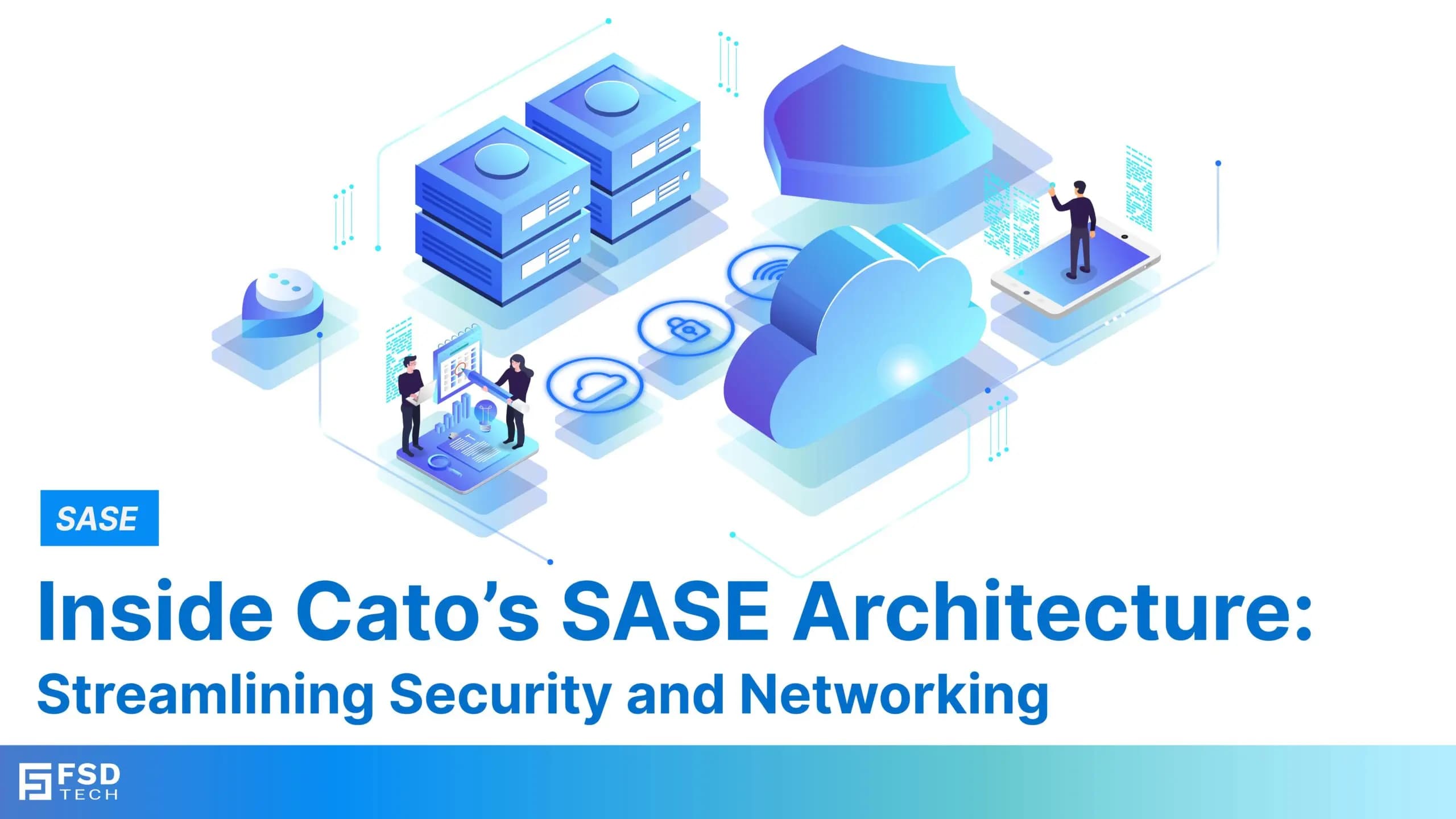
Cato SASE stands apart from legacy solutions by offering true convergence. Rather than stitching together existing products, Cato’s platform was purpose-built for the cloud—integrating networking and security into a single, scalable service.
Key architectural advantages include:
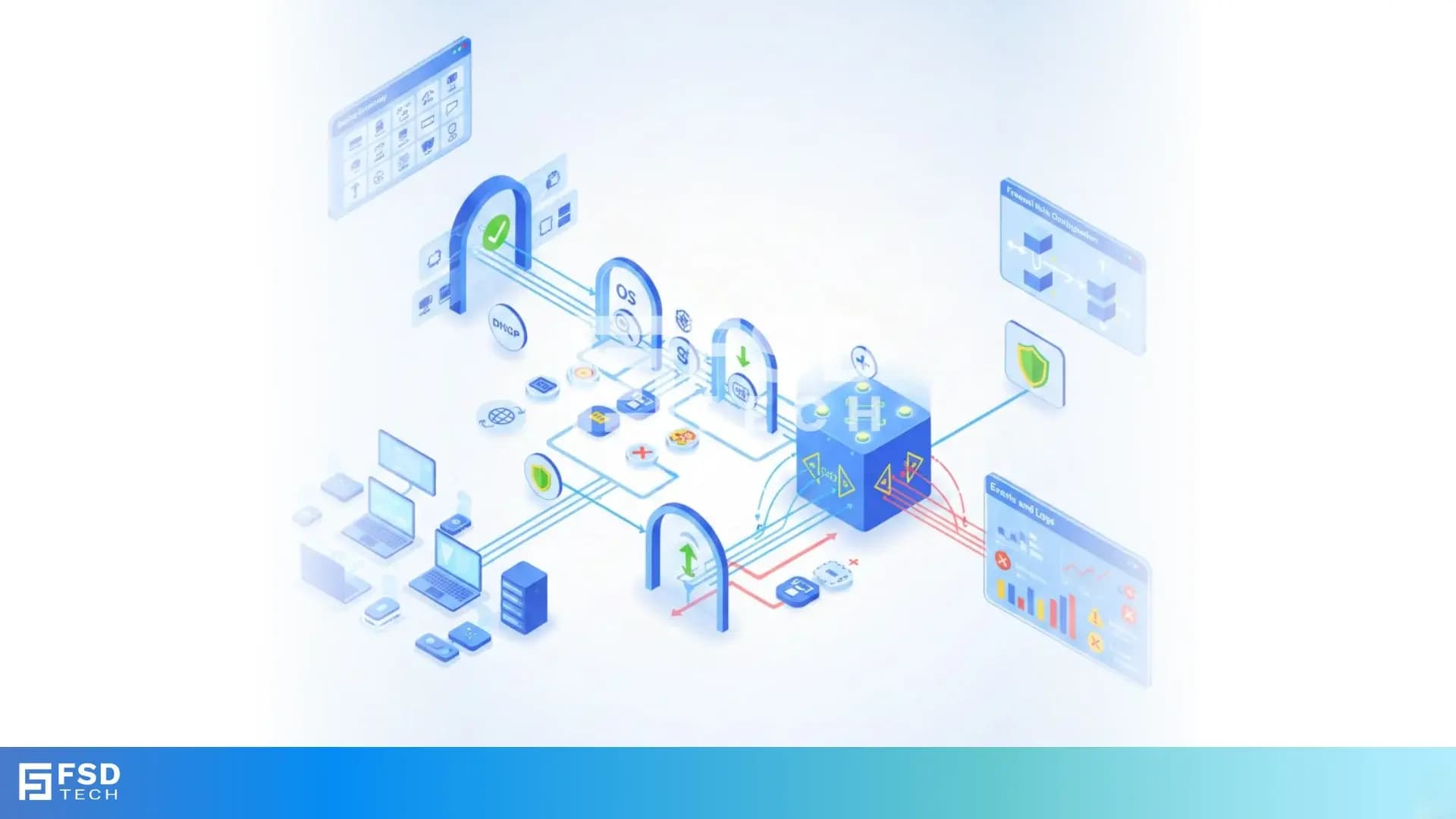
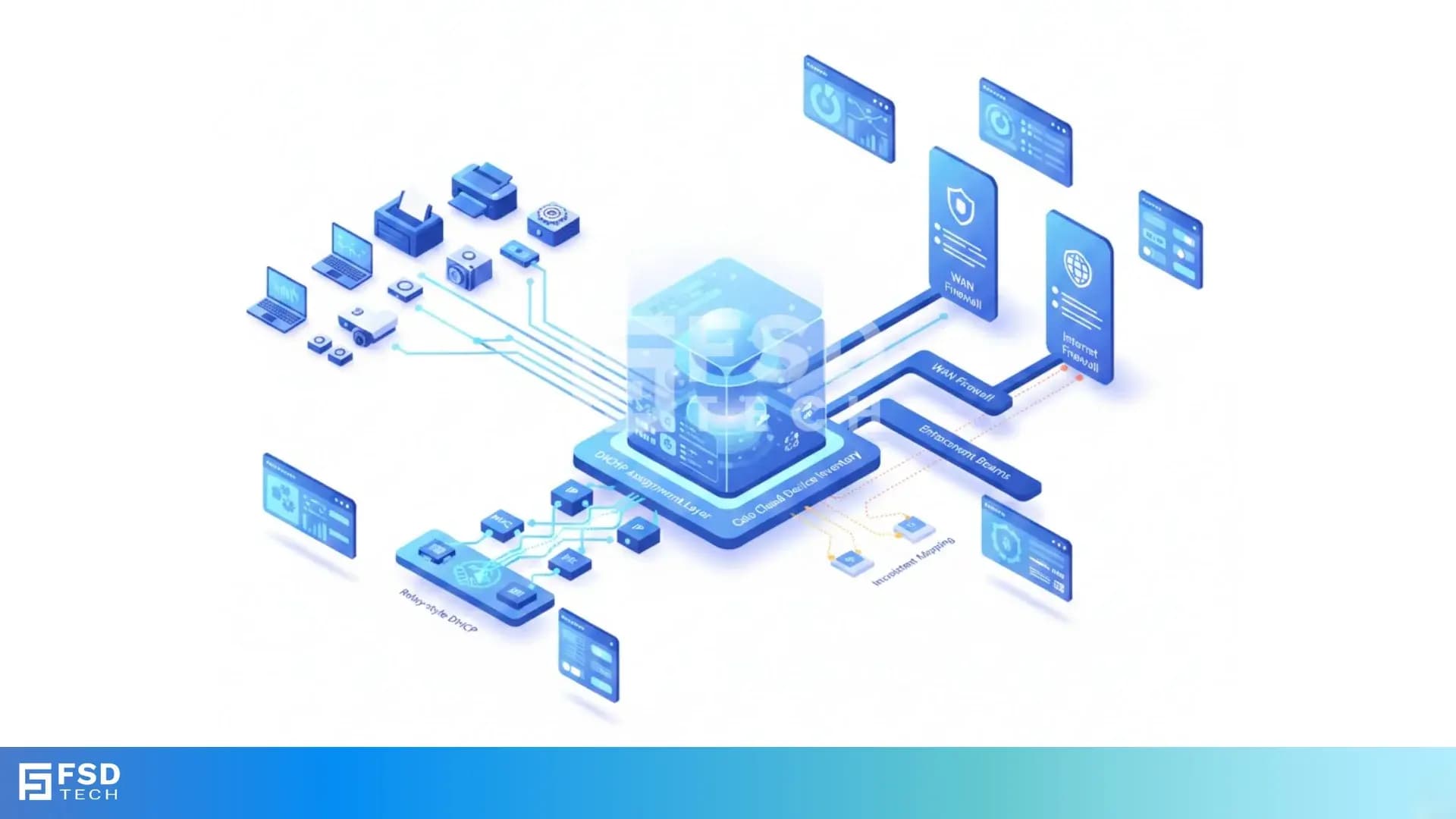
Cato SASE delivers a single pane of glass for all network and security operations:
This approach not only streamlines daily operations but also reduces the risk of human error and configuration drift.
The operational and financial benefits of Cato SASE’s unified model are tangible:
A regional bank in the GCC replaced five separate network and security appliances with Cato SASE, reducing incident response times by 60% and cutting annual infrastructure costs by 35%. During a cloud migration, a logistics company used Cato’s single management console to enforce consistent policies across 20+ sites, eliminating configuration drift and audit headaches.
Also Read: Reducing Network Latency and Enhancing User Experience Globally with Cato SASE
Traditional WAN architectures often depend on the public internet or costly MPLS circuits, both of which can be unpredictable or inflexible. Cato’s global private backbone offers a new model:
A multinational manufacturer saw application latency drop from 224ms to under 80ms after switching from public internet to Cato’s private backbone. The result: throughput increased by more than 200%, enabling faster file transfers and improving productivity for remote teams.
While Cato SASE delivers global innovation, successful adoption in the GCC requires local expertise—understanding regional compliance, connectivity nuances, and support expectations. FSD Tech serves as the regional enabler, ensuring that GCC enterprises benefit from:
By partnering with FSD Tech, organizations bridge the gap between global technology leadership and local operational excellence.
The pace of change in IT and security is relentless. Cato SASE’s cloud-native, self-healing architecture ensures that organizations are always ready for what’s next:
For GCC enterprises, this means peace of mind—knowing that their network and security infrastructure can adapt to new business models, regulatory demands, and emerging threats.
Transform Your IT Operations with One Unified Platform→ Schedule Your Cato SASE Strategy Call Today.
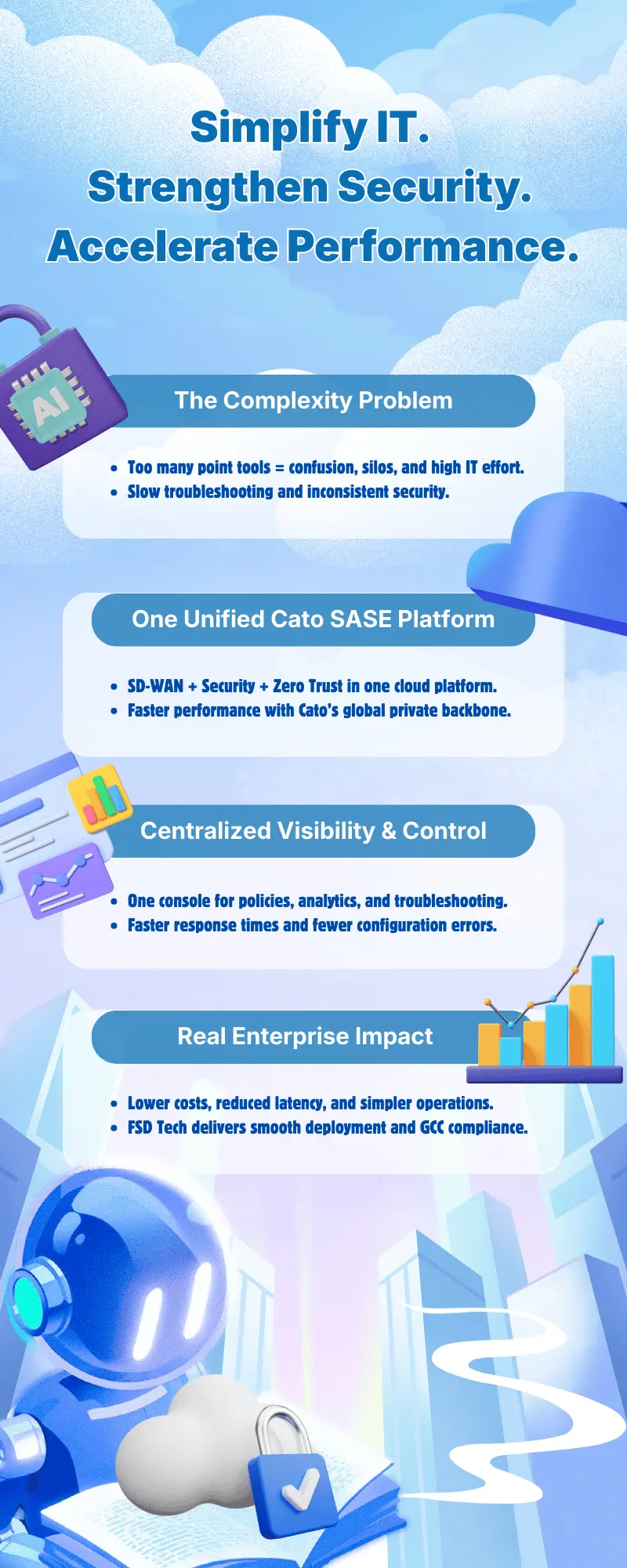
Cato SASE converges networking and security into a single, cloud-native platform with unified management. This eliminates the need for multiple point solutions and management interfaces, streamlining policy enforcement, troubleshooting, and day-to-day operations. IT teams can manage everything from one dashboard, reducing the risk of misconfiguration and freeing up resources for strategic initiatives.
Organizations adopting Cato SASE report significant improvements, including site deployments in under an hour, operational cost reductions of up to 35%, and network throughput gains of 2–3x compared to public internet links. Incident response times are also reduced, with some enterprises seeing a 60% improvement.
All security functions—firewall, secure web gateway, CASB, DLP, and ZTNA—are integrated and centrally managed within the Cato SASE platform. This ensures uniform policy enforcement, comprehensive visibility, and simplified compliance audits, regardless of user location or device.
FSD Tech acts as the regional enabler for Cato SASE, providing local expertise, deployment support, and compliance guidance tailored to GCC enterprises. Their in-region teams help organizations navigate regulatory requirements and ensure successful, future-ready SASE adoption.
Cato’s global private backbone, with over 80 Points of Presence, delivers low-latency, high-reliability connectivity by routing traffic along optimized paths. This approach reduces packet loss and jitter, supporting real-time applications and improving user experience across geographically dispersed sites.
Yes. Cato SASE provides secure, seamless access to applications and data for users in the office, at home, or on the go. Centralized policy management ensures consistent security, while the global backbone maintains performance regardless of user location.
The platform is self-maintaining and cloud-native, automatically updating to address new threats and integrate new features. This eliminates manual patching and ensures that security defenses are always current, reducing operational risk and overhead.
Cato SASE was purpose-built for the cloud, with all core networking and security functions natively integrated. Unlike solutions that combine legacy products, Cato delivers true convergence, scalability, and operational simplicity. Its global private backbone further distinguishes it by providing consistent, high-performance connectivity worldwide.
With centralized management and end-to-end visibility, Cato SASE enables auditors to access policy enforcement records and incident logs from a single source. This reduces the complexity and time required for audits, supporting regulatory compliance in the GCC and beyond.
Absolutely. The cloud-native architecture allows organizations to add users, sites, or new capabilities on demand—without disruptive upgrades or hardware replacements. This makes it ideal for enterprises undergoing rapid growth or digital transformation.
FSD Tech offers comprehensive deployment support, including initial assessments, migration planning, hands-on implementation, and ongoing optimization. Their local presence ensures that GCC enterprises receive timely, relevant assistance throughout the SASE adoption journey.
Centralized visibility and unified policy enforcement enable IT teams to quickly identify, investigate, and remediate incidents. By eliminating silos and providing real-time insights, Cato SASE can reduce incident response times by up to 60% in some deployments.
Yes. Cato SASE is designed to provide secure, optimized access to cloud applications and services, supporting hybrid and multi-cloud environments. Its unified policy management ensures consistent security across all resources.
A single management console reduces complexity, minimizes the risk of human error, and accelerates troubleshooting. IT teams can manage policies, monitor events, and respond to incidents from one dashboard, improving efficiency and operational control.
By simplifying network and security operations, enabling rapid site rollouts, and ensuring compliance with regional regulations, Cato SASE—enabled by FSD Tech—empowers GCC enterprises to pursue digital transformation with confidence. The platform’s scalability and adaptability support evolving business models and technology landscapes.
Cato SASE’s cloud-native, self-healing architecture allows organizations to seamlessly integrate new capabilities, adapt to emerging threats, and scale as needed—without disruptive upgrades or hardware lock-in. This future-proofs IT operations and positions enterprises for ongoing success in a rapidly changing digital landscape.

Anas is an Expert in Network and Security Infrastructure, With over seven years of industry experience, holding certifications Including CCIE- Enterprise, PCNSE, Cato SASE Expert, and Atera Certified Master. Anas provides his valuable insights and expertise to readers.
Share it with friends!


.webp&w=3840&q=75)

.webp&w=3840&q=75)
share your thoughts