.webp&w=3840&q=75)
How ClickUp Enables Outcome-Based Project Management (Not Just Task Tracking)
🕓 February 15, 2026

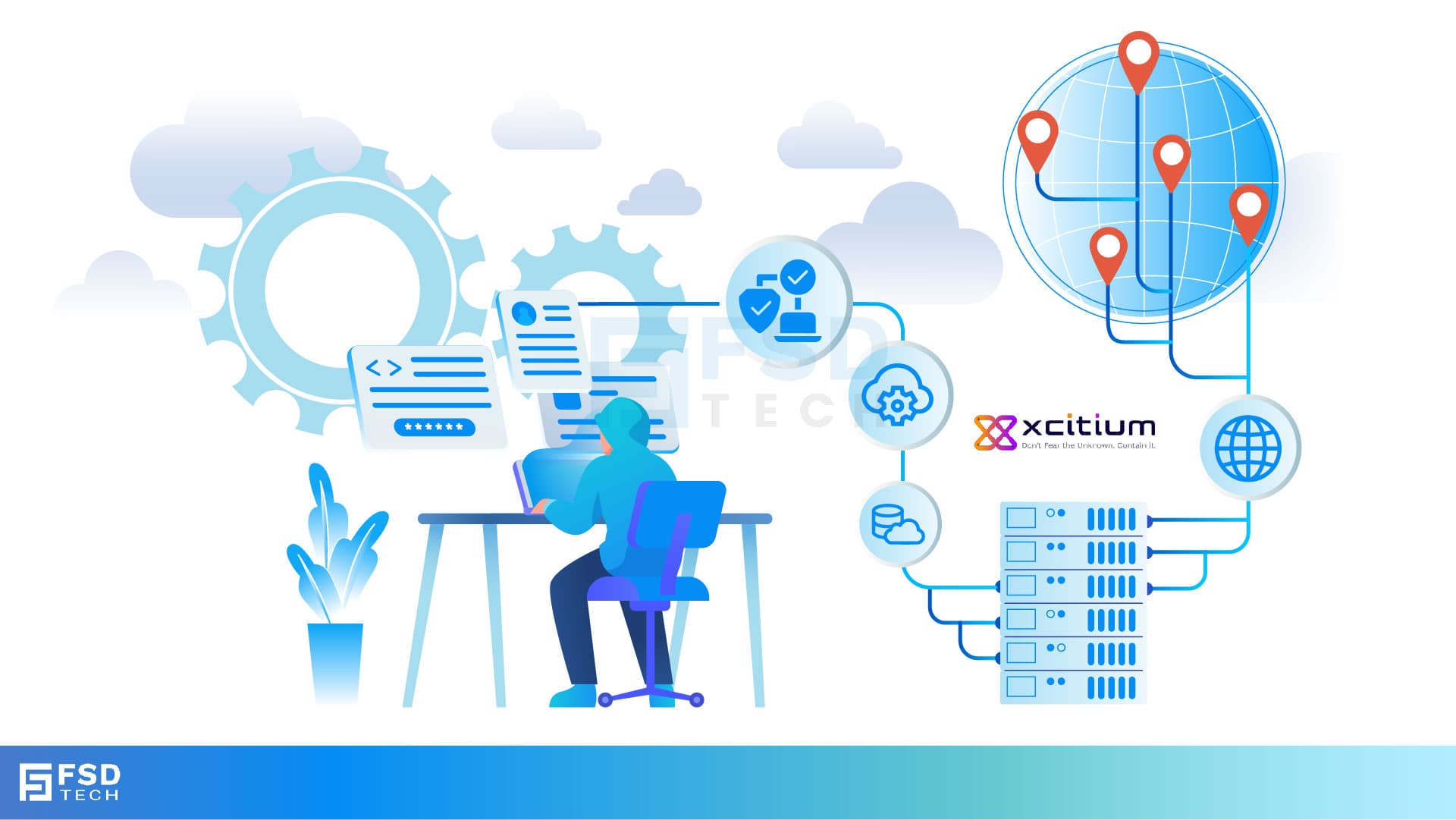
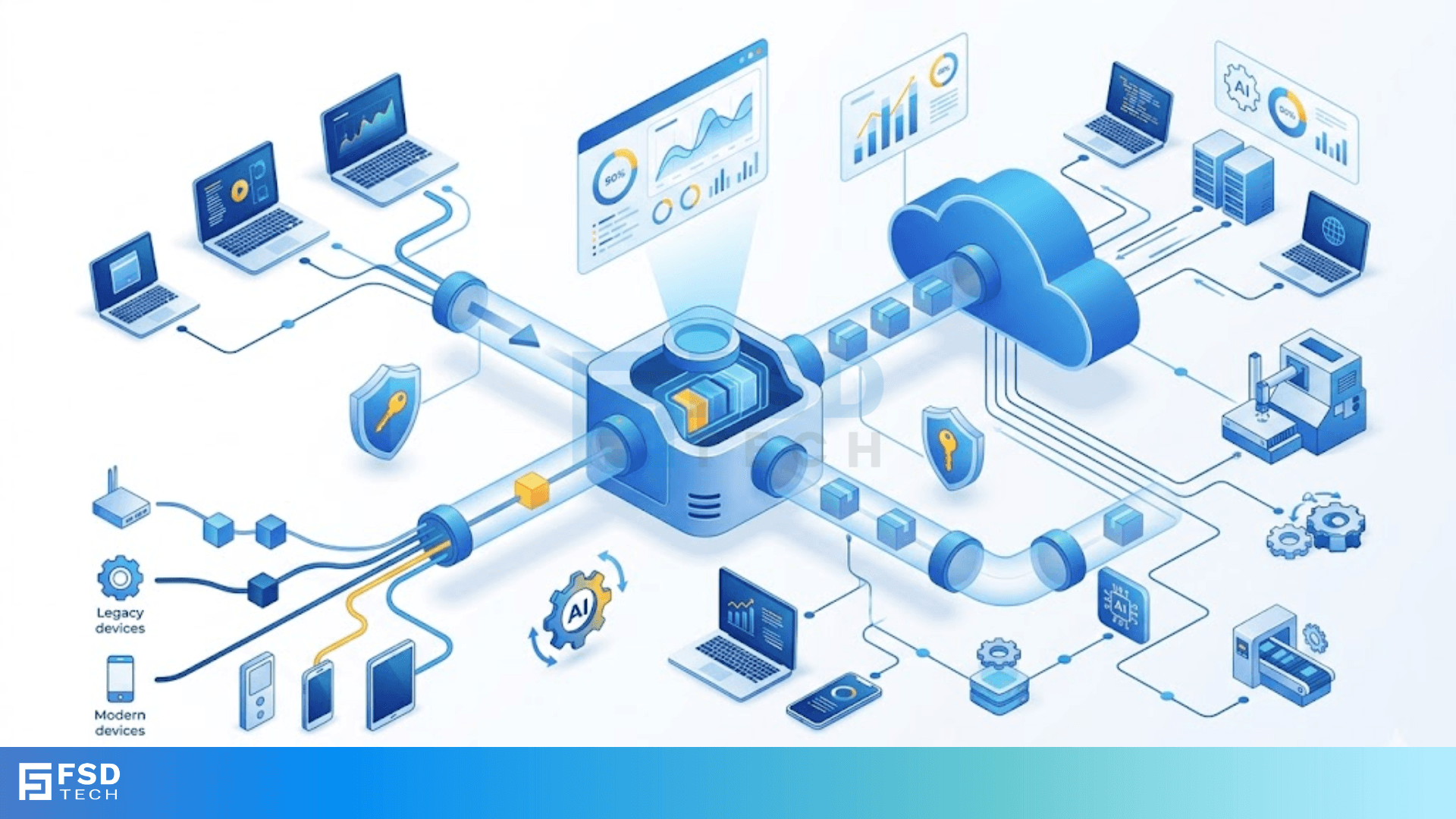
xOPs is the first managed detection and response service built specifically for a SASE architecture. If you've ever felt like your IT team is drowning in a sea of security alerts, you aren't alone. We've all been there—staring at a dashboard full of red blinking lights, wondering which one is a real threat and which one is just noise.
Here is the thing: traditional security tools often work in silos. Your firewall doesn't talk to your endpoint protection, and your cloud security is on a different planet entirely. This is where xOPs changes the game. By sitting on top of a Single-Pass Cloud Engine (SPACE), it gives you a birds-eye view of your entire network. But what does it actually do for your daily operations?
In my experience, the magic of xOPs isn't just the software. It is the combination of "AI-driven precision" and "human intelligence." It acts like a specialized bodyguard for your data, watching every packet that travels across your global network. Are you ready to stop chasing ghosts and start catching real threats?
The term xOPs refers to the cross-functional operations team and technology provided by Cato Networks. In the past, companies bought "point solutions." You had one tool for the office and another for remote workers. That approach is messy and expensive.
Now, let's discuss why visibility matters. When your security is fragmented, hackers find the cracks. xOPs closes those cracks by using the Cato SASE Cloud as a massive data sensor. Every event, from a login in London to a file download in Tokyo, goes through the same engine.
To be honest, most small to medium teams can't afford a 24/7 Security Operations Center (SOC). It costs too much to hire experts who stay awake all night watching logs. xOPs gives you that elite level of protection without the massive overhead. Have you ever wondered how much sleep your IT manager would get if they didn't have to worry about a 3 AM breach?
The xOPs process can be understood as a continuous loop of monitoring and acting. It doesn't just wait for a virus to download. Instead, it looks for patterns.
First, the system collects metadata from all traffic. This includes internet traffic, WAN traffic, and even mobile users. Because it uses a SASE (Secure Access Service Edge) model, the data is already cleaned and organized.
Next, the AI engine kicks in. Cato uses machine learning to compare your network's behavior against a global baseline. If a user who usually works in New York suddenly tries to access a database from an unknown IP in another country, the system flags it.
Finally, human experts step in. This is the "Operations" part of xOPs. These aren't just call center workers; they are high-level security researchers. They investigate the flag, determine if it's a threat, and can even take action to block the attacker before you even finish your morning coffee.
To truly understand xOPs, we must look at the three pillars that make it work. It isn't just one piece of software; it's an ecosystem.
1. The SASE Cloud Engine
Everything starts with the network. The Cato SASE Cloud acts as the foundation. Unlike traditional MDR services that require you to install "probes" or "collectors" in your office, xOPs is native to the network. This implies that there is zero "blind spot." If it moves on the wire, xOPs sees it.
2. AI and Automation
We've all seen the buzzwords, but here, AI has a specific job. It handles the "noise reduction." It filters out millions of safe events so that the humans only see the 5-10 things that actually matter. This is because the system learns what "normal" looks like for your specific company.
3. The Human SOC Team
This is where the "Expertise" comes in. The xOPs team consists of researchers who hunt for threats. They use the same tools that protect some of the largest companies in the world. When they find something, they don't just send you an email saying "Good luck." They provide a clear remediation plan.
Also Read: Segmenting IoT and OT Devices Using Cato WAN and Internet Firewalls
You might be thinking, "I already have an antivirus, isn't that enough?" Not quite. Let's consider the differences between a standard Managed Detection and Response (MDR) and xOPs.
Traditional MDR often struggles with "context." They might see a suspicious file on a laptop, but they don't know if that laptop is currently connected to your most sensitive server. xOPs has full context because it sees the network path.
As opposed to traditional tools, xOPs doesn't require complex integrations. Usually, setting up a SOC takes months. With xOPs, you basically flip a switch because the Cato SASE Cloud is already running your network. In my view, this is the biggest "win" for busy IT departments.
| Feature | Traditional MDR | Cato xOPs |
|---|---|---|
| Deployment Time | Weeks/Months | Near Instant |
| Visibility | Endpoint Only | Full Network + Endpoint |
| Complexity | High (requires many agents) | Low (Network Native) |
| Cost | Variable & High | Predictable |
When you choose xOPs, you're not just buying a security product. You're buying peace of mind. Here, we will look at the practical benefits for your business.
Reduced Dwell Time: Dwell time is how long a hacker sits in your system before being caught. The global average is over 200 days! xOPs aims to drop that to minutes. By catching the "lateral movement"—that is, the hacker moving from one computer to another—we stop the breach before data is stolen.
Simplified Security Stack: Do you really want to manage 15 different security vendors? Most of us don't. xOPs consolidates your security. This simplifies your billing and your daily workflow.
Expert Threat Hunting: Most hackers are smart. They don't use obvious viruses; they use "living off the land" techniques. They use your own administrative tools against you. The xOPs team knows these tricks. They hunt for these subtle clues that automated software might miss.
Also Read: Cato IoT/OT Device Discovery: Securing What You Can’t Install Agents On
Picture this: One of your employees clicks a link in a phishing email. A small piece of code runs on their laptop. It doesn't encrypt the files immediately. Instead, it waits until 2 AM on a Sunday.
Without xOPs, the hacker might spend the next four hours moving through your servers. By the time you wake up, your business is locked.
With xOPs, the moment that laptop tries to "scan" the network for other servers, the AI detects an anomaly. The Cato SPACE engine sees the unusual traffic. An xOPs analyst is alerted instantly. They see the behavior, realize it's a breach, and disconnect that laptop from the network automatically. You wake up to a notification saying a threat was neutralized while you slept. Which Sunday morning would you prefer?
At the end of the day, security is about trust. You need to know that your data is safe and your employees can work without interruption. xOPs provides that layer of professional oversight that modern businesses desperately need. We have all seen the headlines about data breaches, and we know that "it won't happen to me" is not a valid strategy.
Are you ready to see how a managed SASE approach can transform your operations? Let's build a more secure future together. Talk to our team today about how we can protect your global footprint.
No. In fact, smaller companies often benefit more because they don't have the budget for a full in-house security team. xOPs levels the playing field.
Absolutely not. It empowers them. It takes the "grunt work" of looking at logs off their plate so they can focus on high-value projects like digital transformation.
Cato SASE Cloud decrypts traffic in real-time at scale. This allows xOPs to inspect the data inside the "tunnel" without slowing down your connection.
The 'x' represents the "cross-disciplinary" nature of the service, bridging the gap between networking (NetOps) and security (SecOps).
A firewall is a barrier; xOPs is a continuous monitoring and response service. A firewall might block a known bad site, but xOPs investigates why someone tried to go there in the first place.
xOPs works best within the Cato SASE Cloud ecosystem. While Cato can integrate with various setups, the full "network-native" benefits come from using the Cato platform.
It stands for Single-Pass Cloud Engine. It is the core technology that processes all your network traffic in one go, rather than passing it through multiple slow appliances.

Surbhi Suhane is an experienced digital marketing and content specialist with deep expertise in Getting Things Done (GTD) methodology and process automation. Adept at optimizing workflows and leveraging automation tools to enhance productivity and deliver impactful results in content creation and SEO optimization.
Share it with friends!

.webp&w=3840&q=75)
share your thoughts