.webp&w=3840&q=75)
How ClickUp Enables Outcome-Based Project Management (Not Just Task Tracking)
🕓 February 15, 2026

Global Access Optimization refers to a set of technologies and strategies used to enhance the performance, reliability, and security of network traffic as it travels across vast distances to reach cloud applications and remote data centers. In our hyper-connected world, businesses can't afford to let slow connections get in the way of growth. To be honest, we've all been there—stuck waiting for a cloud app to load because the data is traveling halfway across the planet.
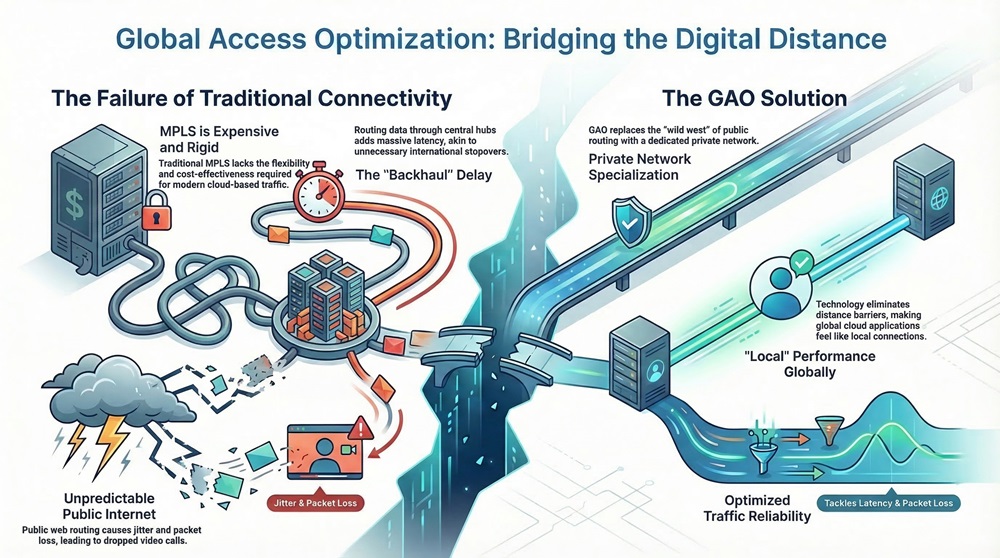
But what if you could make that global distance feel like a local connection? That is exactly what Global Access Optimization (GAO) aims to do. It tackles the core issues of the public internet, like latency and packet loss, by using a specialized private network instead of the "wild west" of standard web routing.
Here's the thing: traditional networks weren't built for the cloud era. Historically, IT teams relied on MPLS (Multiprotocol Label Switching) to connect offices. While reliable, MPLS is incredibly expensive and lacks the flexibility to handle modern cloud traffic.
Picture this: your employee in Singapore needs to access an app hosted in a New York data center. On an old network, that data might "backhaul" through a central hub, adding massive delays. In my view, this is like flying from London to Paris but having to stop in Los Angeles first. It just doesn't make sense anymore.
As businesses evolved, they started using the public internet to bridge these gaps. But the public internet is unpredictable. ISPs often prioritize cost-savings over performance, which introduces jitter and latency. Have you ever wondered why your video calls drop just when you're about to close a big deal? It’s often because your data is getting lost in the shuffle of public web traffic.
So, how does GAO actually solve this?
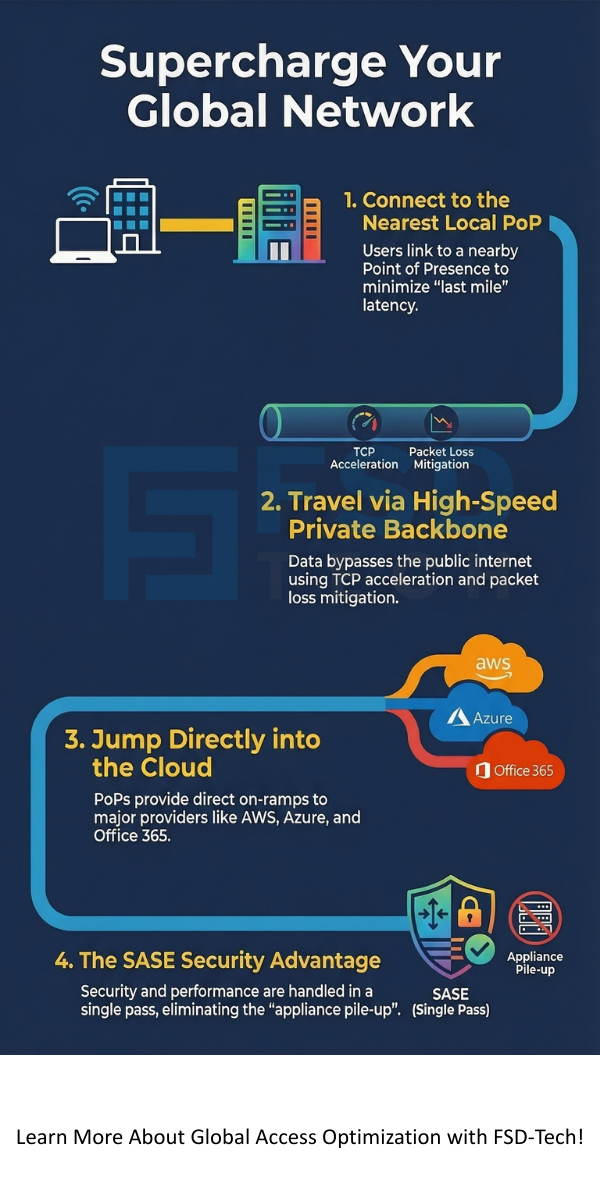
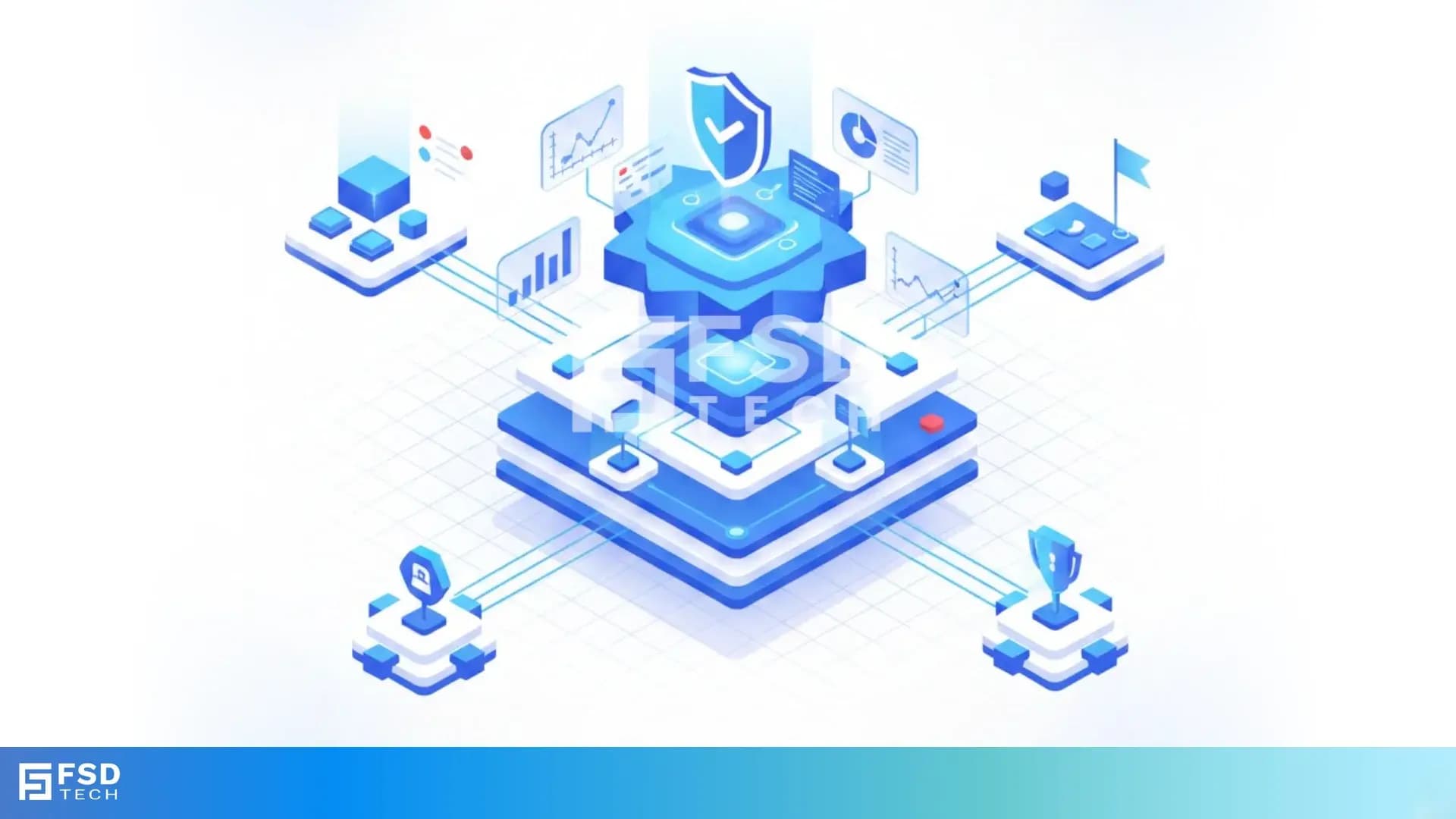
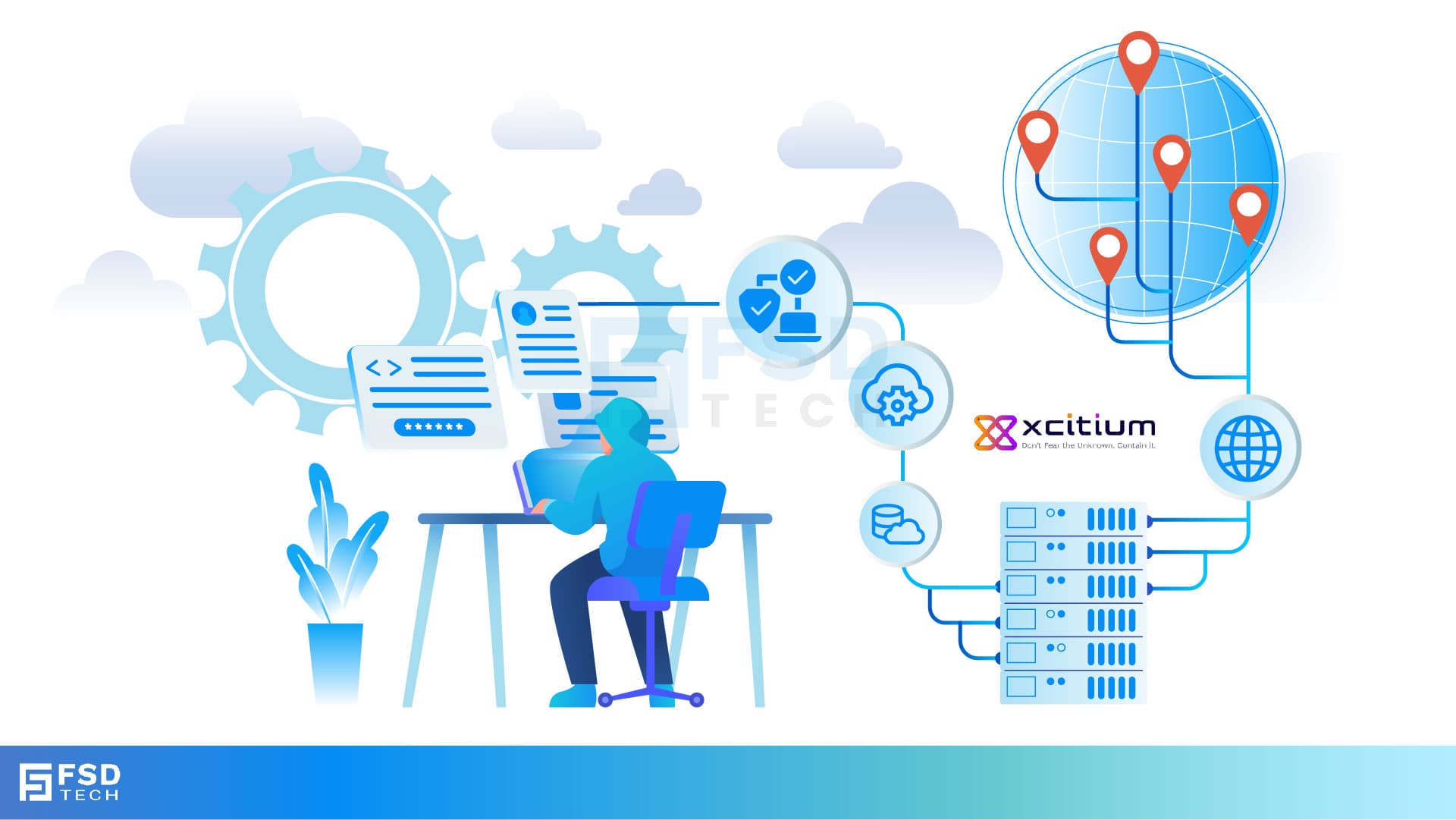
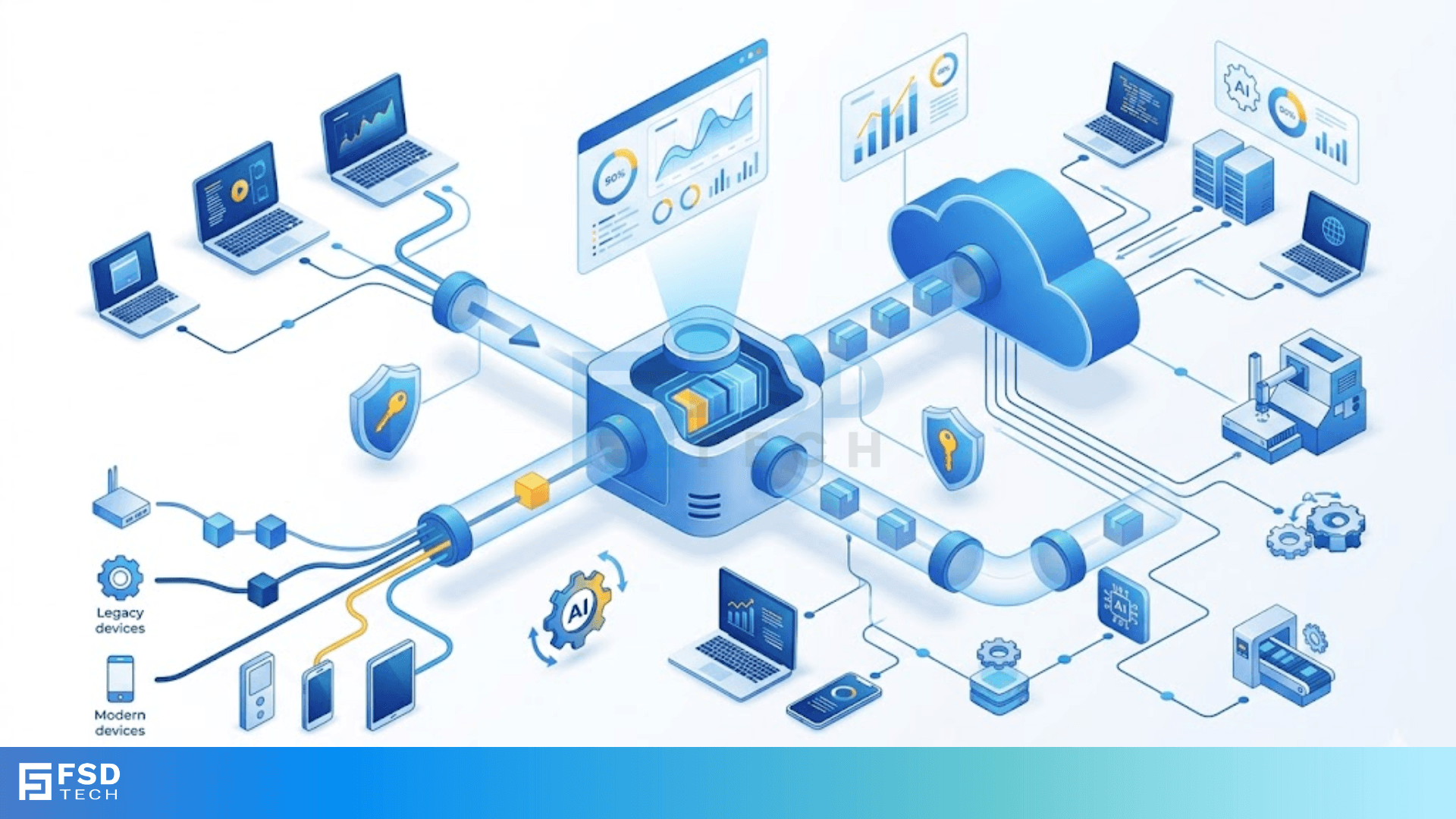
The "secret sauce" is often a global private backbone. Instead of sending your data across the messy public internet, GAO providers like Cato Networks use a private network of PoPs (Points of Presence).
This architecture ensures that "Global Access Optimization" isn't just a buzzword—it’s a physical reality of how your data moves.
Also Read: What is Network Backhauling and Why is it Obsolete in 2026
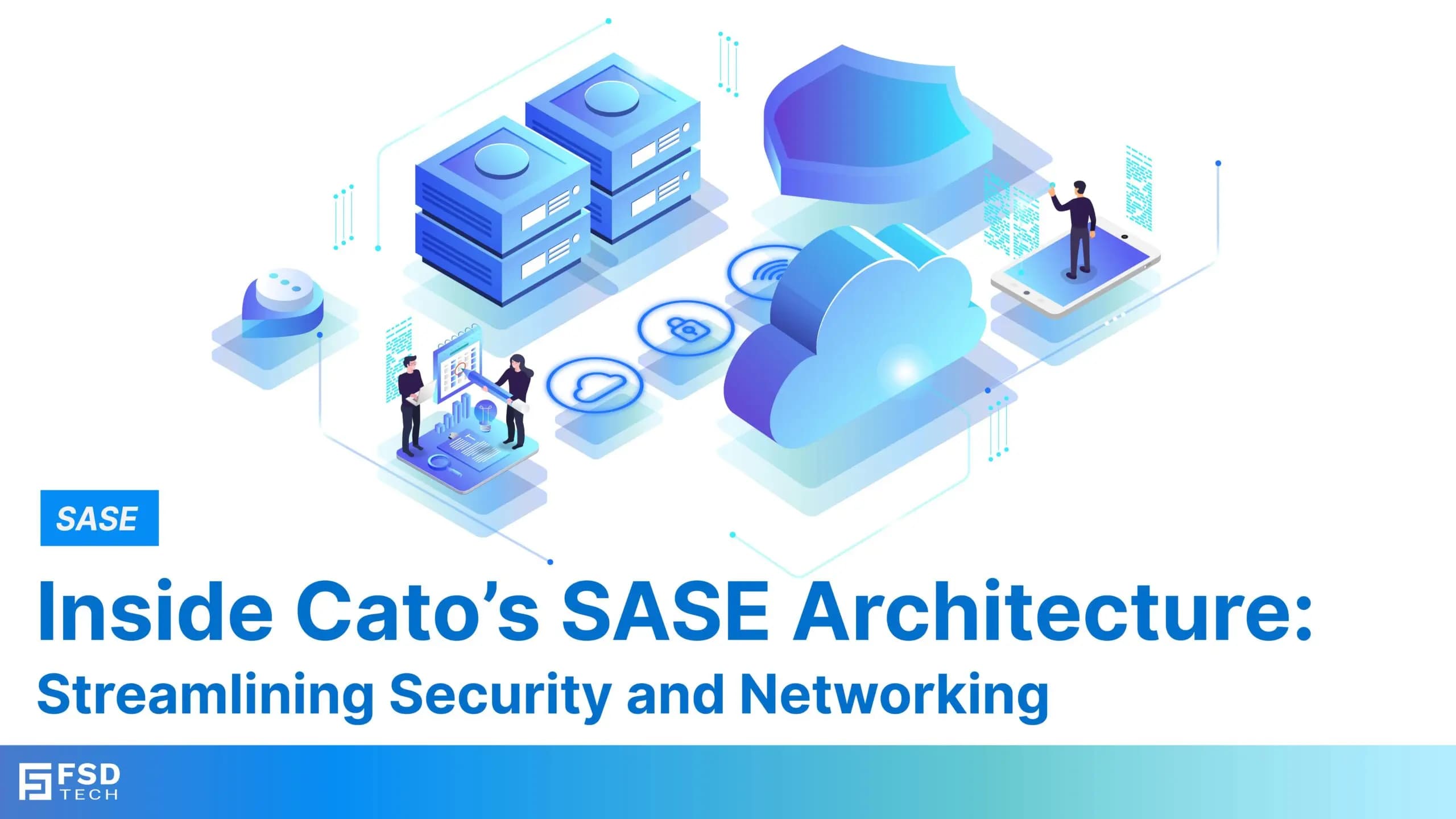
You can't talk about optimization without mentioning SASE (Secure Access Service Edge). SASE is a category that converges networking and security into a single cloud-native service.
Why does this matter for optimization? Because in a SASE model, security and performance happen at the same time. In the past, you had to choose: do you want a fast connection, or a secure one? If you wanted security, you had to send traffic through a series of "point solutions" like firewalls and gateways, which slowed everything down.
With a SASE-based approach to Global Access Optimization, the PoP handles everything. It optimizes the path and inspects the traffic for threats in a single pass. This reduces the "overhead" on your data, making the whole process much faster.
Let’s look at some realistic examples. In the manufacturing world, companies are moving toward Industry 4.0. This involves using IoT devices and real-time data to run smart factories. If a factory in Germany can't talk to its cloud-based controller in real-time because of network lag, production stops. GAO ensures that critical data is prioritized so the factory keeps humming.
On the other hand, retail and hospitality businesses often have hundreds of geo-diverse locations. They need to process credit card transactions and check inventory instantly. Using GAO allows them to replace expensive MPLS with affordable broadband while still getting "MPLS-like" performance for their cloud-based POS systems.
Also Read: Visibility and Control in a Cloud-First World: What Enterprises Need to Know
In the end, Global Access Optimization is about making your network as agile as your business. It’s about removing the technical barriers that keep your global teams from collaborating effectively. At our core, we believe that technology should empower people, not slow them down. We're dedicated to helping you find the right path forward, ensuring your connectivity is always secure, fast, and ready for whatever comes next.
Actually, no. Because many GAO solutions are delivered as a cloud service (SASE), they are scalable for businesses of all sizes. You don't need a massive IT team to manage it.
Standard SD-WAN often relies on the public internet to connect sites. While it's great for managing local links, it doesn't solve the "middle mile" problem of global latency. GAO provides that optimized middle mile through a private backbone.
Yes! Modern GAO solutions include mobile clients that connect remote users directly to the nearest PoP. This gives your work-from-home team the same speed and security as the folks in the headquarters.

Surbhi Suhane is an experienced digital marketing and content specialist with deep expertise in Getting Things Done (GTD) methodology and process automation. Adept at optimizing workflows and leveraging automation tools to enhance productivity and deliver impactful results in content creation and SEO optimization.
Share it with friends!


.webp&w=3840&q=75)
share your thoughts