HomeManaged ServicesNext Gen IT-InfraMonitoring & ManagementCyber SecurityBCP / DRAutomation
Managed Services
msp-dubai-accounting-firms-managed-it

Why accounting firms in Dubai need an MSP before they think they do?

🕓 April 24, 2026

How FSD-Tech Deploys Xcitium Managed Security in the GCC

How FSD-Tech Deploys Xcitium Managed Security in the GCC

🕓 May 11, 2026

Next Gen IT-Infra
Cato’s SASE Supports Cybersecurity Skills Development

How Cato’s SASE Supports Cybersecurity Skills Development

🕓 April 8, 2025

How SASE Supports the Security Needs of SMBs

How SASE Supports the Security Needs of SMBs

🕓 February 9, 2025

Attack Surface Reduction with Cato’s SASE

Attack Surface Reduction with Cato’s SASE

🕓 February 10, 2025

SASE for Digital Transformation in UAE

SASE for Digital Transformation in UAE

🕓 February 8, 2025

Monitoring & Management
Cost-Performance Ratio: Finding the Right Balance in IT Management Networks

Cost-Performance Ratio: Finding the Right Balance in IT Management Networks

🕓 June 16, 2025

Atera’s Communication Tools

Atera’s Communication Tools: Boosting IT Team Productivity in the UAE

🕓 February 8, 2025

Emerging Trends in IT Management

Emerging Trends in IT Management

🕓 February 10, 2025

Atera Disaster Recovery

Atera Disaster Recovery: Top Strategies for UAE IT Teams

🕓 February 9, 2025

Cyber Security
Illustration of the Cato Cloud architecture showing its role in delivering SASE for secure, optimized global connectivity.

Understanding the Cato Cloud and Its Role in SASE

🕓 January 29, 2025

Isometric illustration of professionals managing network performance, bandwidth analytics, and cloud-based optimization around the Cato Networks platform, symbolizing bandwidth control and QoS visibility.

Mastering Bandwidth Control and QoS in Cato Networks

🕓 July 26, 2025

Global network backbone powering Cato SASE solution for secure, high-performance connectivity across regions.

Global Backbone: The Engine Powering Cato’s SASE Solution

🕓 January 30, 2025

Illustration of team analyzing application traffic and usage insights on a large laptop screen using Cato’s dashboard, surrounded by network and cloud icons.

Cato Networks Application Visibility | Monitoring & Control

🕓 July 27, 2025

BCP / DR
Illustration showing diverse business and IT professionals collaborating with cloud, backup, and security icons, representing Vembu use cases for SMBs, MSPs, and IT teams.

Who Uses Vembu? Real-World Use Cases for SMBs, MSPs & IT Teams

🕓 July 12, 2025

Graphic showcasing Vembu’s all-in-one backup and disaster recovery platform with icons for cloud, data protection, and business continuity for IT teams and SMBs.

What Is Vembu? A Deep Dive Into the All in One Backup & Disaster Recovery Platform

🕓 July 6, 2025

Illustration showing Vembu backup and disaster recovery system with cloud storage, server racks, analytics dashboard, and IT professionals managing data.

The Rising Cost of Data Loss: Why Backup Is No Longer Optional?

🕓 August 14, 2025

3D isometric illustration of cloud backup and data recovery infrastructure with laptop, data center stack, and digital business icons — FSD Tech

RPO & RTO: The Heart of Business Continuity

🕓 August 15, 2025

Automation
Cross-Functional Collaboration with ClickUp

Fostering Cross-Functional Collaboration with ClickUp for Multi-Departmental Projects

🕓 February 11, 2025

ClickUp Project Reporting

Revolutionizing Enterprise Reporting with ClickUp’s Advanced Analytics and Dashboards

🕓 June 16, 2025

ClickUp’s Design Collaboration and Asset Management Tools

Empowering Creative Teams with ClickUp’s Design Collaboration and Asset Management Tools

🕓 February 26, 2025

ClickUp Communication and Collaboration Tools

ClickUp Communication and Collaboration Tools: Empowering Remote Teams

🕓 March 12, 2025

    Subscribe to our newsletter!

    About Us

    Follow Us

    Copyright © 2024 | Powered by 

    Atera

    (60)

    Cato Networks

    (131)

    ClickUp

    (78)

    FishOS

    (7)

    Miradore

    (21)

    PointGuard AI

    (9)

    Vembu

    (24)

    Xcitium

    (35)

    ZETA HRMS

    (79)

    Table of Contents

    GCC Healthcare Cybersecurity 2026: How Xcitium Zero Trust Protects Hospitals, Clinics, and Patient Data

    Surbhi Suhane
    May 11, 2026
    Comments
    GCC Healthcare Cybersecurity

    Think of a Tuesday morning at a busy hospital in Abu Dhabi. A doctor tries to pull up a patient's medication history. The screen shows an error. The pharmacy cannot access the prescription system. The scheduling coordinator cannot see today's surgeries. The entire clinical management system is encrypted.


    This is what a ransomware attack looks like in a healthcare setting. It is not an inconvenience. It is a clinical emergency layered on top of a security crisis.

    Healthcare organizations in the GCC face this risk more than most. In 2026, the threat is more targeted and more sophisticated than it has ever been. This guide explains why healthcare is such a high-value target, what the specific risks are, and how Xcitium's platform addresses them in practical terms.

    Why Healthcare Is a Primary Target for Cybercriminals

    Healthcare organizations sit at the intersection of three things attackers find very valuable: sensitive personal data, operational dependence on uptime, and often limited security resources relative to the complexity of their environments.


    Patient records contain names, national ID numbers, medical histories, insurance information, and financial data. This combination is more valuable to identity thieves and fraudsters than almost any other data type available.


    More importantly for ransomware attackers, healthcare organizations cannot afford downtime the way other businesses can. A retailer hit by ransomware loses sales. A hospital hit by ransomware cannot provide care. That operational dependency creates enormous pressure to pay quickly. Attackers know this, and they design their campaigns accordingly.


    Attackers know that hospitals feel pressure to pay. That is why they keep targeting them. Stopping the attack before it encrypts anything is the only reliable answer.


    Start Ransomware Protection Today

    The GCC Healthcare Expansion and Why It Increases Risk

    The GCC's healthcare sector is growing rapidly. Saudi Arabia's Vision 2030 includes significant investment in new hospitals, digital health platforms, and healthcare infrastructure expansion. The UAE has a large and growing private healthcare sector with sophisticated digital systems.


    This expansion means more devices, more connected systems, more patient data in digital form, and more endpoints for attackers to target. Every new hospital wing, clinic, or digital health platform that is not secured from the start is a new opportunity for attackers.


    The digitization of clinical workflows, including electronic medical records, digital pharmacy systems, and telehealth platforms, creates a much larger security perimeter than GCC healthcare organizations were managing five years ago.

    The Specific Security Risks GCC Healthcare Organizations Face

    Ransomware Targeting Clinical Systems

    Ransomware is the most acute threat. A successful attack can encrypt electronic medical records, scheduling systems, pharmacy databases, and administrative platforms simultaneously. Clinical staff cannot access what they need. Patient care is disrupted. The organization faces a choice between paying a ransom or rebuilding from backup, which can take days or longer.


    Xcitium's ZeroDwell containment stops ransomware before it can encrypt anything. When a ransomware file executes on a protected endpoint, it is immediately placed in a virtual container. It cannot access real clinical data. It cannot encrypt files. The attack completes inside the container and causes zero damage.

    Phishing Attacks Targeting Clinical Staff

    Doctors, nurses, pharmacists, and administrative staff all receive email. Attackers design phishing messages that look like supplier invoices, health authority communications, HR updates, or patient referrals. Clinical staff are focused on patient care, not on scrutinizing every email they receive.


    Xcitium's Phishing Simulation trains healthcare staff with realistic scenarios relevant to their role and context. It tests them, shows them immediately what they missed if they click, and builds awareness over time. Xcitium's Email Protection adds a technical layer that filters malicious emails before they even reach inboxes.

    Mobile Device Security in Clinical Environments

    Clinical staff use smartphones and tablets to access patient systems, review test results, and communicate with colleagues. These devices are carried between departments, taken home, and sometimes lost or stolen. A lost device with access to patient records is both a security incident and a data protection violation.


    Xcitium's Mobile Device Management (MDM) module protects these devices with remote wipe capability, data encryption, and device lock features. If a device is lost or stolen, its data can be wiped remotely before anyone gains unauthorized access.

    Third-Party and Vendor Access Risks

    Healthcare organizations work with many third-party vendors: medical equipment suppliers, IT service providers, laboratory systems, and insurance platforms. Each external connection is a potential entry point. Xcitium's Remote Access tools ensure all third-party access is encrypted and access-controlled.


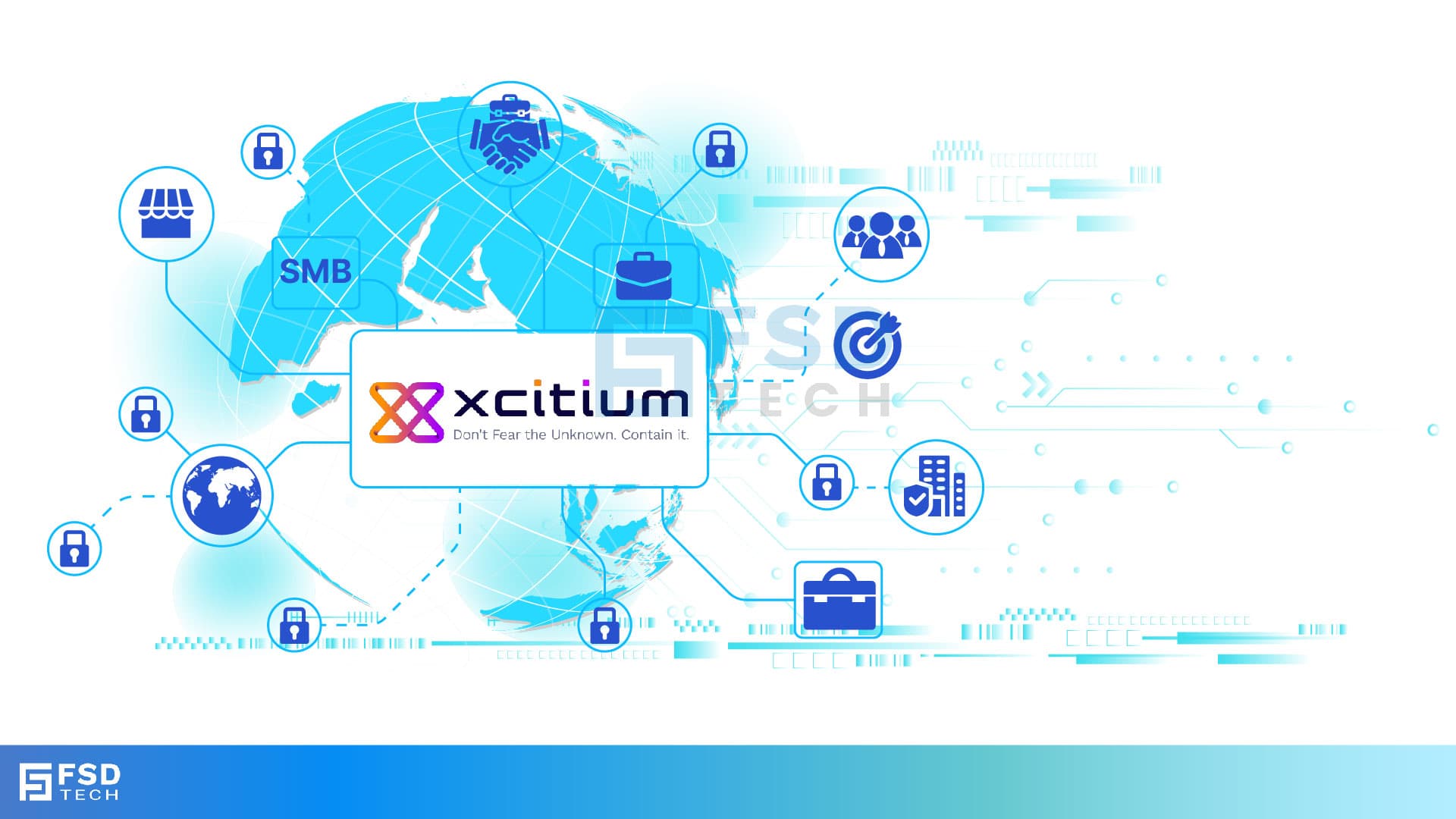
    Also Read: How FSD-Tech Deploys Xcitium Managed Security in the GCC

    Xcitium's Healthcare Security Platform Capabilities

    Xcitium CapabilityHealthcare Application
    ZeroDwell ContainmentStops ransomware and malware from reaching electronic medical records, clinical management systems, or pharmacy databases
    Network Share ProtectionPrevents ransomware from spreading across shared clinical drives containing patient records and operational reports
    Email ProtectionFilters malicious emails before they reach clinical staff inboxes, reducing phishing exposure
    Phishing SimulationTests healthcare staff with realistic scenarios and provides immediate learning moments to those who click
    Mobile Device ManagementRemote wipe, encryption, and device lock for smartphones and tablets used by clinical staff
    Patch ManagementKeeps clinical workstations and administrative systems current with security updates
    Managed SIEMCentralized monitoring and anomaly detection across the clinical network
    Incident ResponseRapid containment and recovery if a security incident occurs, minimizing impact on patient care

    Patient Data Protection Obligations in the GCC

    Several GCC countries have data protection regulations that apply to healthcare organizations. These require technical measures to protect personal data, including sensitive health information. The specific requirements vary by country, but the core principle is consistent: organizations must implement appropriate security controls and be able to demonstrate them.


    Xcitium's endpoint security, mobile device management, email protection, and compliance management tools provide the technical controls that satisfy these requirements. FSD-Tech helps GCC healthcare organizations understand which specific regulations apply to their context and how Xcitium maps to those requirements.


    Also Read: What Is Antimalware? Your Guide to Threat Defense

    Key Takeaways

    • GCC healthcare organizations are high-value ransomware targets because of sensitive patient data and operational dependence on system availability
    • Xcitium's ZeroDwell containment stops ransomware before it can access or encrypt clinical systems or patient records
    • Mobile Device Management protects staff devices with remote wipe, encryption, and lock capabilities
    • Email Protection and Phishing Simulation reduce the risk from phishing, the most common initial access vector
    • Network Share Protection prevents ransomware from spreading across shared clinical drives even if a device is compromised
    • FSD-Tech deploys and manages Xcitium for healthcare organizations across the UAE and Saudi Arabia with local support

    Frequently Asked Questions

    Can Xcitium protect specialized medical devices?

    Xcitium's platform focuses on IT endpoints, servers, mobile devices, and cloud environments. For specialized medical devices running proprietary systems, FSD-Tech can help assess the full environment and recommend the right approach for each device type.

    How does Xcitium protect patient data specifically?

    Xcitium's endpoint security prevents unauthorized access to devices where patient data is stored. MDM protects mobile devices. Email Protection blocks malicious messages. ZeroDwell containment stops ransomware from encrypting patient records. Together, these create multiple layers of protection around patient data.

    What happens if a doctor's tablet is lost or stolen?

    With Xcitium's MDM deployed, the device can be remotely wiped by the IT administrator. All data is removed from the device before anyone can access it. The wipe can be triggered as soon as the loss is reported.

    Is Xcitium's Phishing Simulation disruptive to clinical operations?

    Phishing simulations are designed to have minimal operational impact. FSD-Tech schedules and configures simulations to avoid interfering with clinical workflows. The learning moment for staff who click happens after the simulation, not during active clinical tasks.

    How does Xcitium support healthcare data protection compliance in the GCC?

    Xcitium's technical controls, including endpoint security, MDM, and compliance management, implement the security measures required by GCC data protection frameworks. FSD-Tech provides a compliance review to map Xcitium's capabilities to your specific regulatory requirements.

    Conclusion

    Healthcare cybersecurity in the GCC is not just about protecting data. It is about protecting the ability to deliver patient care. When ransomware takes a hospital's systems offline, patients are affected. That is a different level of consequence than most security incidents carry.


    Xcitium's Zero Trust platform addresses this with containment-first endpoint security that stops ransomware before it reaches clinical systems. Mobile Device Management protects staff devices. Email Protection and Phishing Simulation reduce the human risk. Network Share Protection ensures ransomware cannot spread even if it executes on a device.


    FSD-Tech brings this protection to GCC healthcare organizations with local deployment expertise and ongoing managed services. Patient data and clinical operations deserve real protection, not just compliance paperwork.


    Contact FSD-Tech today to secure your healthcare organization with Xcitium.


    Reach Us

    GCC Healthcare Cybersecurity 2026: How Xcitium Zero Trust Protects Hospitals, Clinics, and Patient Data

    About The Author

    Surbhi Suhane

    Surbhi Suhane is an experienced digital marketing and content specialist with deep expertise in Getting Things Done (GTD) methodology and process automation. Adept at optimizing workflows and leveraging automation tools to enhance productivity and deliver impactful results in content creation and SEO optimization.

    TRY OUR PRODUCTS

    Like This Story?

    Share it with friends!

    Subscribe to our newsletter!

    FishOSCato SASEVembuXcitiumZeta HRMSAtera
    Isometric illustration of a centralized performance platform connected to analytics dashboards and team members, representing goal alignment, measurable outcomes, risk visibility, and strategic project tracking within ClickUp.

    How ClickUp Enables Outcome-Based Project Management (Not Just Task Tracking)

    🕓 February 15, 2026
    Isometric illustration of a centralized executive dashboard platform connected to analytics panels, performance charts, security indicators, and strategic milestones, representing real-time business visibility and decision control within ClickUp.

    Executive Visibility in ClickUp – How CXOs Gain Real-Time Control Without Micromanaging

    🕓 February 13, 2026

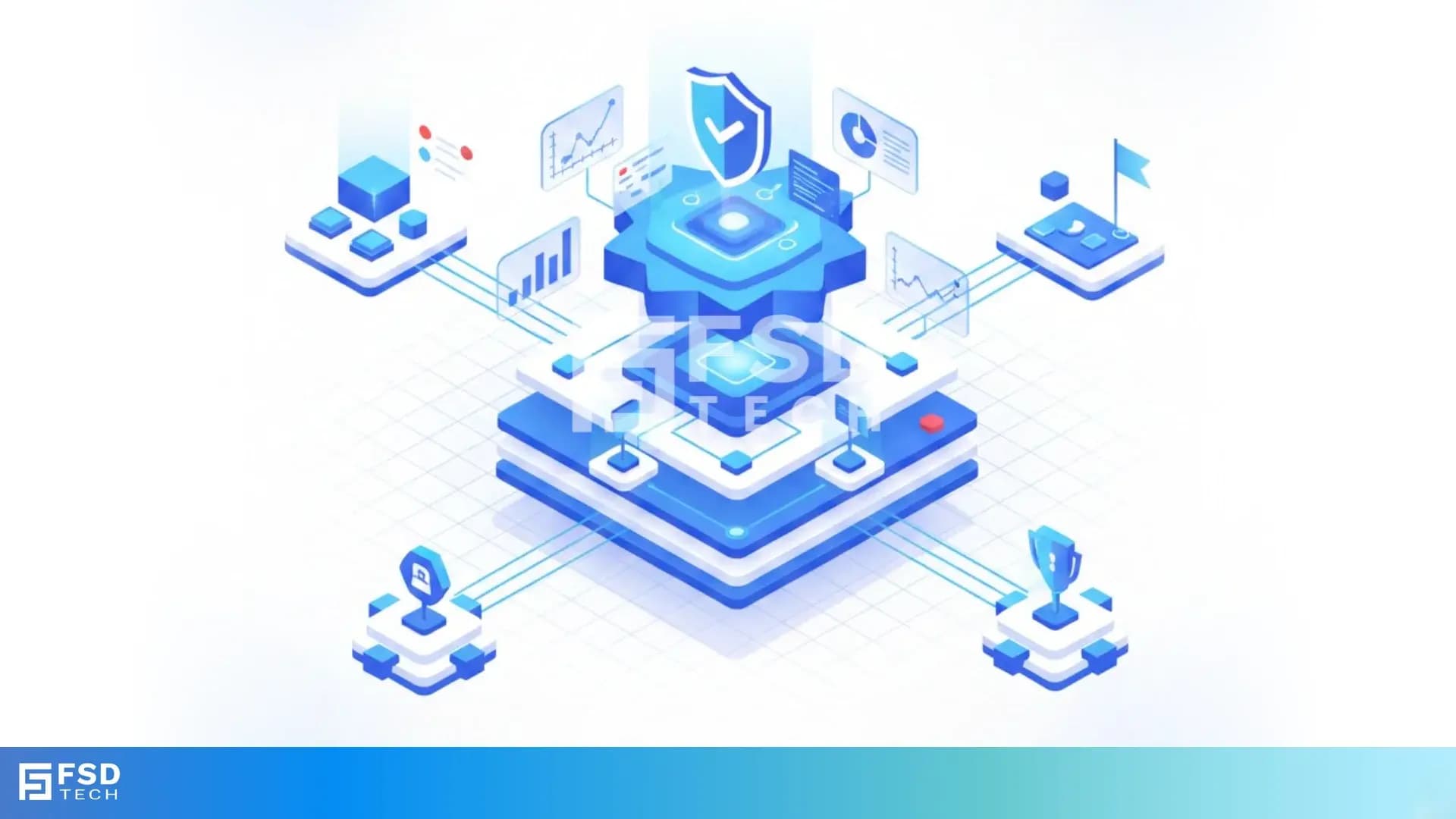
    Cato SASE Architecture

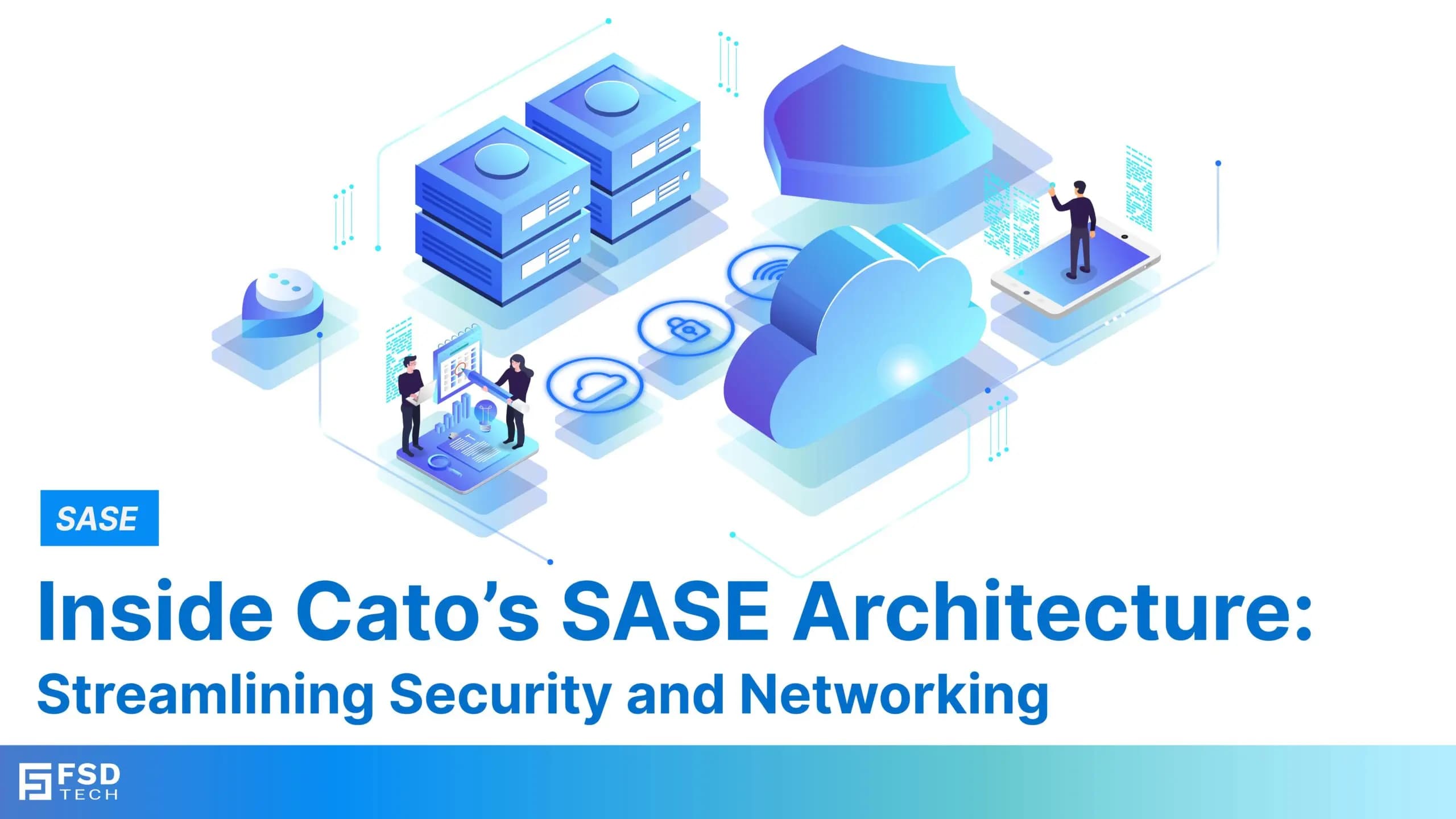
    Inside Cato’s SASE Architecture: A Blueprint for Modern Security

    🕓 January 26, 2025

    Workflow Automation(8)

    Workforce Automation(1)

    AI Project Management(1)

    HR Data Automation(1)

    RMM(2)

    Firewall Security(1)

    IT Workflow Automation(1)

    IT security(2)

    GCC compliance(4)

    Payroll Integration(2)

    IT support automation(3)

    procurement automation(1)

    lost device management(1)

    IT Management(5)

    IoT Security(3)

    Cato XOps(1)

    IT compliance(5)

    Task Automation(1)

    Workflow Management(1)

    Kubernetes lifecycle management(2)

    OpenStack automation(1)

    AI-powered cloud ops(1)

    SMB Security(8)

    Data Security(1)

    MDR (Managed Detection & Response)(3)

    Atera Integrations(2)

    MSP Automation(3)

    XDR Security(2)

    Threat Detection & Response(1)

    SMB Cyber Protection(1)

    Ransomware Defense(3)

    HR Tech Solutions(1)

    Zero Trust Network Access(3)

    Post-Quantum Cryptography(1)

    Quantum Threat UAE & GCC(1)

    Quantum Security(1)

    Zero Trust Security(2)

    Cloud IDE Security(1)

    Endpoint Management(1)

    SaaS Security(2)

    Payroll Automation(5)

    IT Monitoring(2)

    Xcitium EDR SOC(15)

    Ransomware Protection GCC(1)

    M&A IT Integration(1)

    Network Consolidation UAE(1)

    MSSP for SMBs(1)

    Antivirus vs EDR(1)

    Managed EDR FSD-Tech(1)

    FSD-Tech MSSP(25)

    Ransomware Protection(3)

    SMB Cybersecurity GCC(1)

    Endpoint Security(1)

    Cybersecurity GCC(15)

    Data Breach Costs(1)

    Endpoint Protection(1)

    SMB Cybersecurity(8)

    Managed Security Services(2)

    Xcitium EDR(30)

    Zero Dwell Containment(31)

    Hybrid Backup(1)

    Cloud Backup(1)

    Backup & Recovery(1)

    pointguard ai(4)

    vembu(9)

    disaster recovery myths(1)

    SMB data protection(9)

    backup myths(1)

    Disaster Recovery(4)

    Vembu BDR Suite(19)

    GCCBusiness(1)

    DataProtection(1)

    Secure Access Service Edge(4)

    Unified Network Management(1)

    GCC IT Solutions(1)

    GCC HR software(20)

    financial cybersecurity(2)

    open banking(1)

    CC compliance(1)

    Miradore EMM(15)

    Cato SASE(9)

    Government Security(1)

    Cloud Security(9)

    GCC Education(1)

    Hybrid Learning(1)

    Talent Development(1)

    AI Governance(4)

    AI Risk Management(1)

    AI Cybersecurity(13)

    AI Security(2)

    AI Compliance(2)

    Secure Remote Access(1)

    GCC business security(1)

    GCC network integration(1)

    compliance automation(5)

    GCC cybersecurity(3)

    education security(1)

    App management UAE(1)

    Miradore EMM Premium+(5)

    BYOD security Dubai(8)

    share your thoughts

    GCC Healthcare Cybersecurity

    GCC Healthcare Cybersecurity 2026: How Xcitium Zero Trust Protects Hospitals, Clinics, and Patient Data

    🕓 May 11, 2026

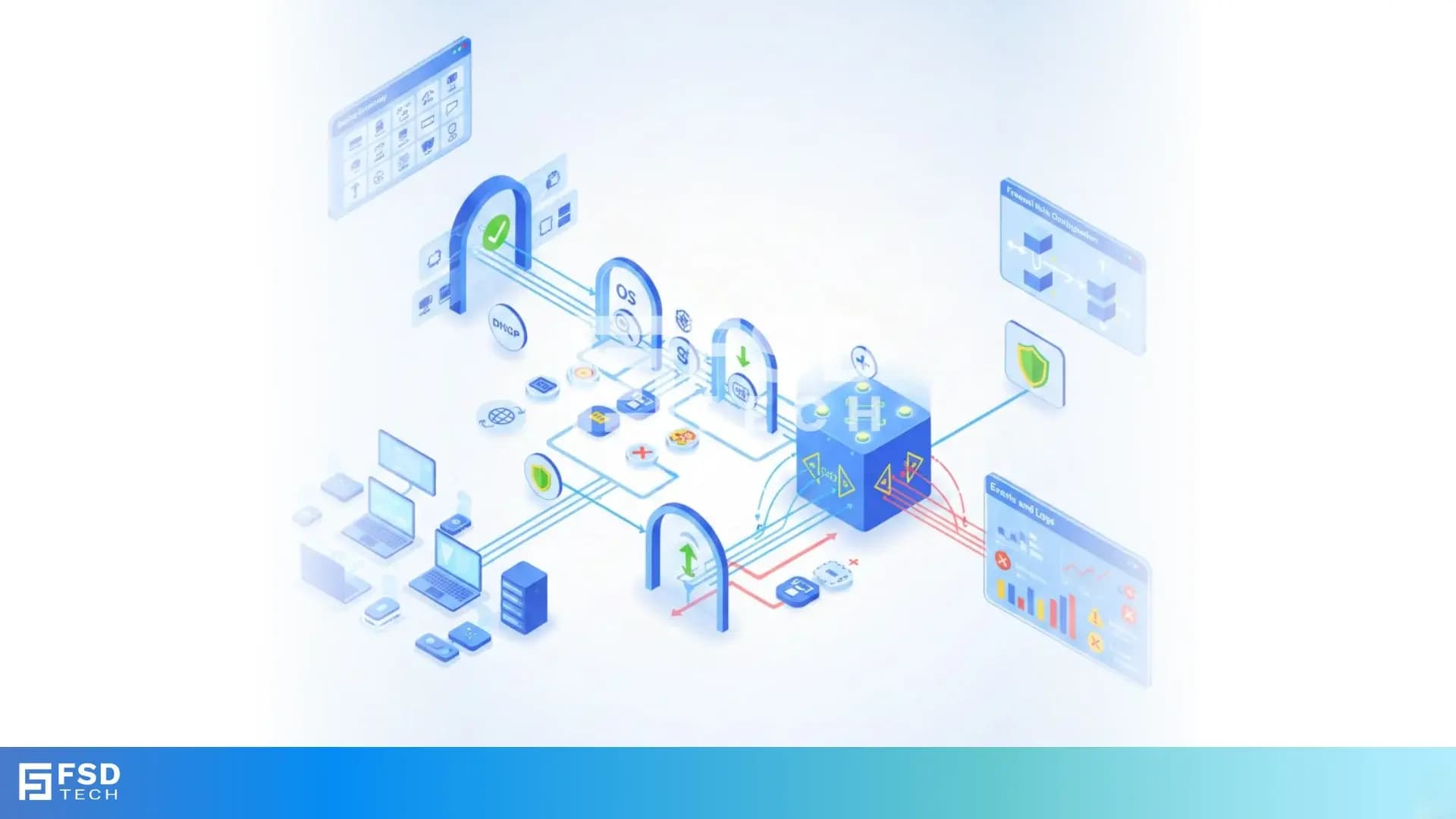
    Isometric diagram showing Cato SASE troubleshooting workflow where device inventory, DHCP mapping, posture validation, and firewall event logs are analyzed to diagnose device-based rule enforcement issues.

    Troubleshooting Device-Based Firewall Rules in Cato SASE

    🕓 March 13, 2026

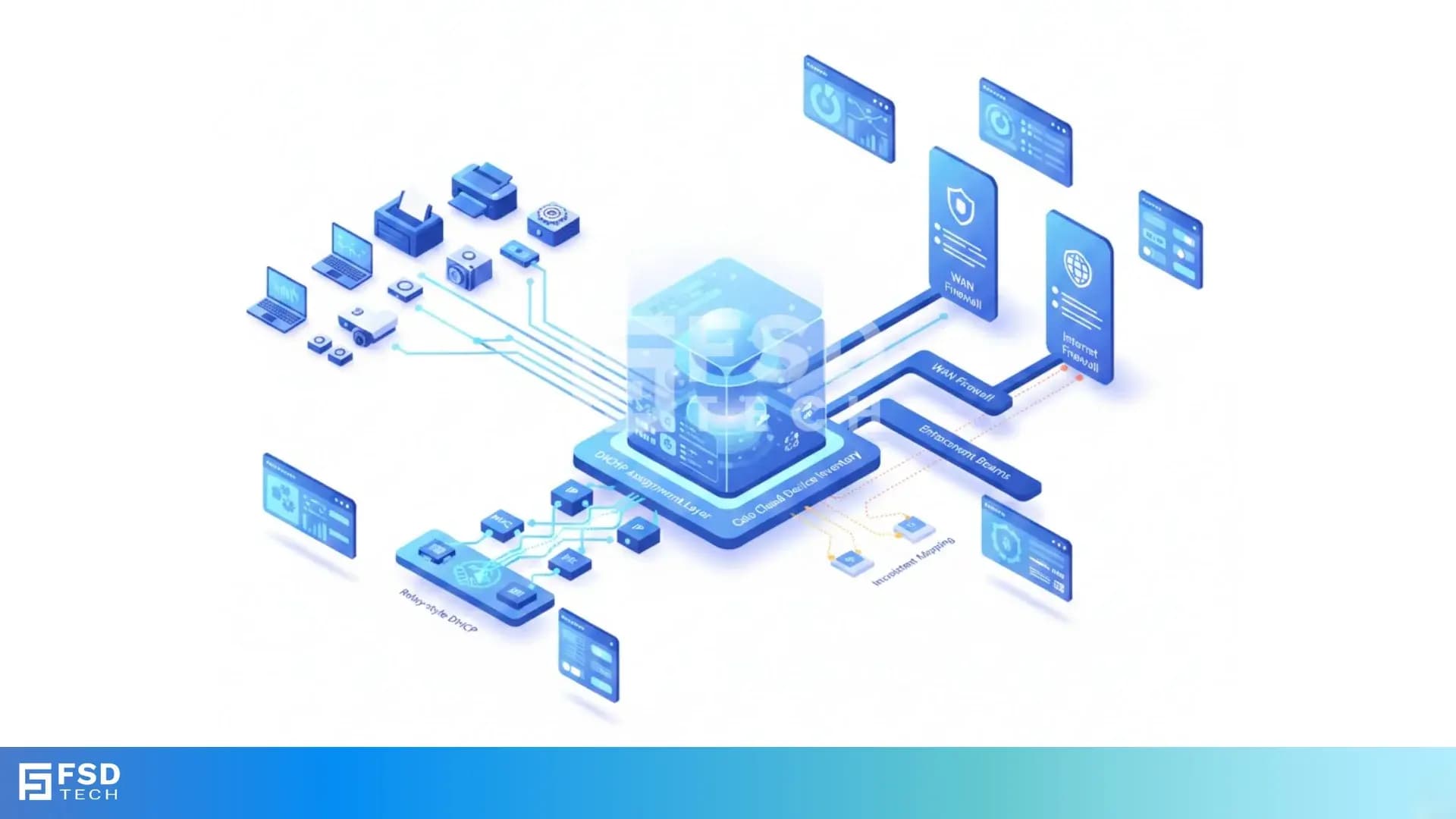
    Isometric diagram showing Cato SASE device inventory analyzing network traffic, DHCP data, and device attributes to support WAN and Internet firewall enforcement and device-aware security policies.

    Understanding Device Identification Limitations in Cato Device Inventory

    🕓 March 8, 2026

    Managed Services(2)

    Decoded(245)

    Cyber Security(129)

    BCP / DR(24)

    Zeta HRMS(78)

    SASE(21)

    Automation(80)

    Next Gen IT-Infra(128)

    Monitoring & Management(81)

    ITSM(22)

    HRMS(21)

    Automation(24)