.webp&w=3840&q=75)
How ClickUp Enables Outcome-Based Project Management (Not Just Task Tracking)
🕓 February 15, 2026
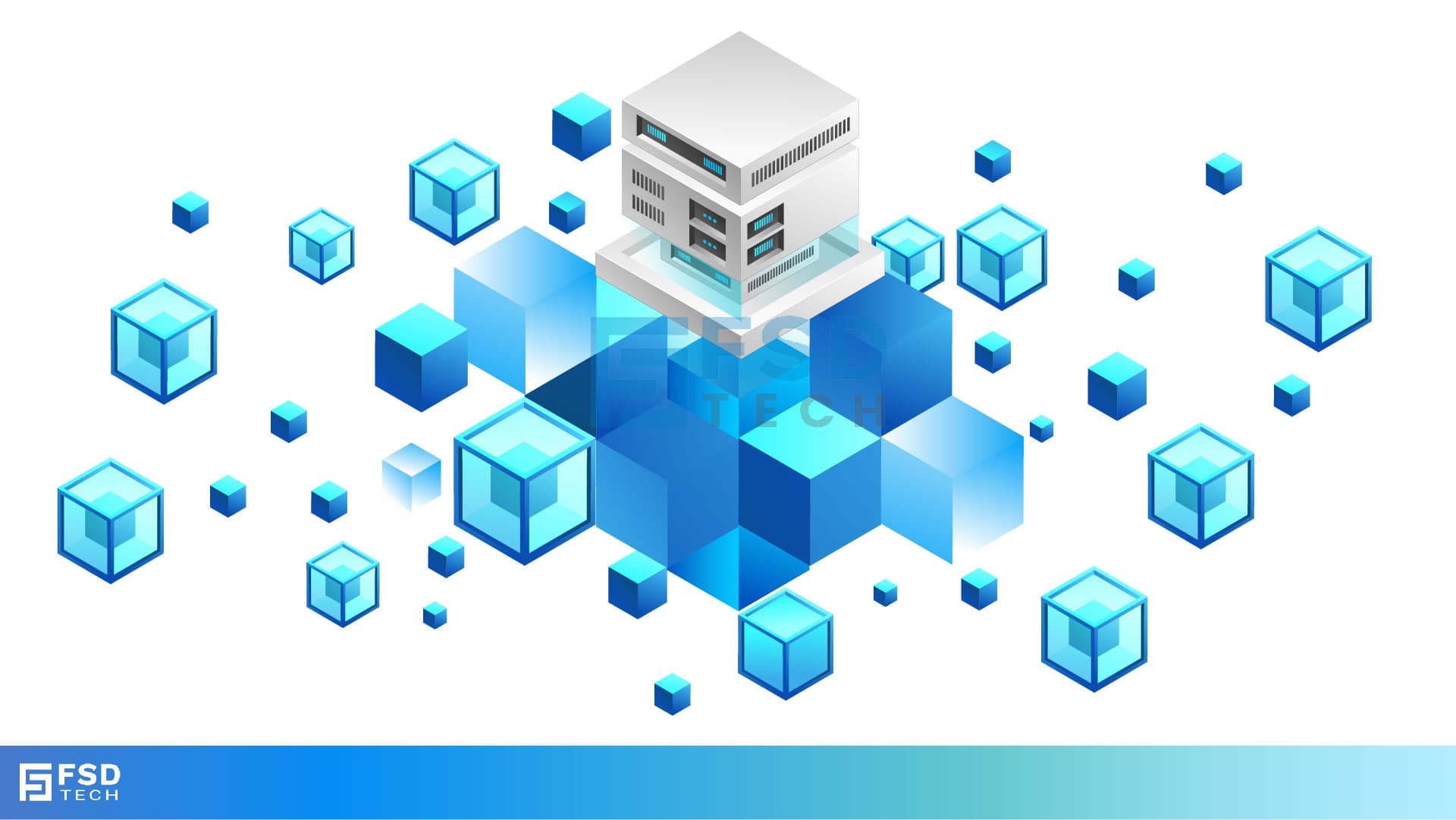
Virtual machines are at the core of most enterprise IT environments across the GCC. VMware and Hyper-V power the servers that run business applications, databases, and internal systems. When a VM goes down or its data is compromised, the impact is felt immediately.
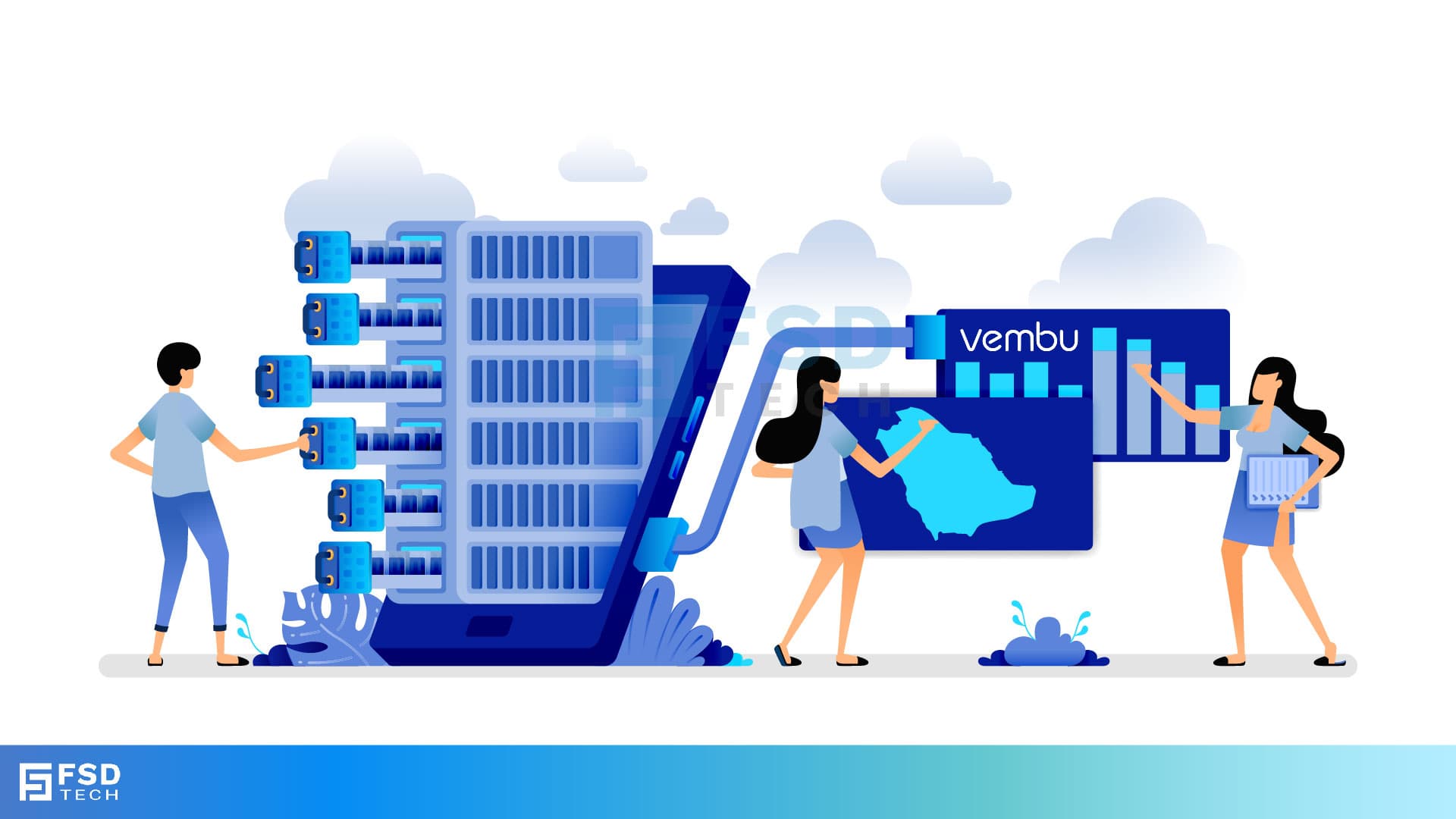
BDRShield by Vembu provides agentless backup for VMware and Hyper-V environments. This means businesses can protect their virtual workloads without installing agents inside each VM, reducing complexity and overhead while maintaining strong data protection.
This guide explains what BDRShield offers for VM backup, how it works, and what GCC businesses should consider when protecting their virtual infrastructure.
Backing up a virtual machine is not the same as backing up files. A VM contains an entire operating system, applications, and data in a set of image files. To recover properly, you need to capture the VM in a consistent state, track changes over time, and be able to restore it quickly to any prior point.
Agentless backup handles this at the hypervisor level. Instead of running software inside each VM, BDRShield communicates with the hypervisor itself to capture consistent snapshots. This approach works across VMware vSphere, Hyper-V, Proxmox VE, KVM, and oVirt.
According to Vembu, BDRShield supports agentless VM backup for the following hypervisors:
For cloud-hosted virtual machines, BDRShield also supports agentless backup of AWS EC2 instances and Azure VMs.
BDRShield connects to the hypervisor layer to capture VM snapshots. No software needs to be installed inside each virtual machine. This reduces management overhead, especially for environments with many VMs.
After the first full backup, BDRShield captures only changed blocks in subsequent backup jobs. This reduces backup windows and storage consumption without sacrificing recovery points.
BDRShield is built to target an RTO and RPO of under 15 minutes. In practical terms, this means IT teams can restore a virtual machine quickly after failure, minimizing the time applications are unavailable.
BDRShield supports offsite DR by replicating backup data to a remote Offsite DR Server or CloudDR. In the event of a site-level failure, businesses can restore VMs directly from the offsite copy. CloudDR data is stored in Vembu Cloud, hosted on AWS, and secured with AES-256 encryption.
For VMware environments, BDRShield supports vSphere replication with failover and failback capabilities. This gives organizations a path to continue operations on a secondary site while the primary site is being restored.
BDRShield includes a three-tier verification process. It performs a Mount Check to verify backed-up disk integrity, a Boot Check to confirm the VM can run, and an Integrity Check using Windows Check Disk Utility to verify the consistency of backed-up data.
VM backups stored with BDRShield benefit from immutable storage options, air-gapped backup support, anomaly detection, and malware scanning before restore. This helps protect backup data from being compromised during a ransomware attack.
Also Read: Why Is Data Backup Crucial for Cybersecurity? Protect Your Business from Ransomware & Data Loss
GCC businesses can store VM backups in multiple ways using BDRShield:
Hybrid storage is a common choice for GCC enterprises. Teams keep recent backup copies on-premise for fast local recovery while maintaining offsite cloud copies for disaster recovery scenarios.
FSD-Tech deploys and manages BDRShield for VMware and Hyper-V environments across the GCC. Our team works with your IT department to assess your VM inventory, configure backup schedules and retention policies, set up offsite replication, and verify recovery readiness. We cover the full GCC region including UAE, Saudi Arabia, Qatar, Kuwait, Bahrain, and Oman.
Also Read: SMB Backup Starter Pack: What to Back Up, Where to Store It & How Often (3-2-1 Checklist)
Agentless VM backup captures virtual machine data at the hypervisor level without installing backup software inside each VM. BDRShield uses this approach for VMware, Hyper-V, Proxmox VE, KVM, and oVirt environments.
Yes. BDRShield supports vSphere replication with failover and failback capabilities for VMware environments.
BDRShield targets an RTO and RPO of under 15 minutes. Actual recovery time depends on the VM size, storage type, and network conditions in your specific environment.
Yes. BDRShield supports VM backup storage on BDRShield Cloud, AWS S3, Azure Blob, Google Cloud, Wasabi, MinIO, Backblaze, and any S3-compatible provider.
Yes. FSD-Tech deploys BDRShield for VMware and Hyper-V environments across the entire GCC region.
Virtual machines are too important to leave unprotected. A hardware failure, ransomware attack, or accidental deletion without a reliable VM backup can mean hours or days of downtime and data loss.
BDRShield gives GCC businesses an agentless, flexible, and ransomware-resilient way to protect VMware and Hyper-V environments. Combined with local and cloud storage options, fast recovery targets, and built-in verification, it covers the full lifecycle of VM data protection.

Surbhi Suhane is an experienced digital marketing and content specialist with deep expertise in Getting Things Done (GTD) methodology and process automation. Adept at optimizing workflows and leveraging automation tools to enhance productivity and deliver impactful results in content creation and SEO optimization.
Share it with friends!

.webp&w=3840&q=75)
share your thoughts