HomeNext Gen IT-InfraMonitoring & ManagementCyber SecurityBCP / DRAutomationDecoded
Next Gen IT-Infra
Cato’s SASE Supports Cybersecurity Skills Development

How Cato’s SASE Supports Cybersecurity Skills Development

🕓 April 8, 2025

How SASE Supports the Security Needs of SMBs

How SASE Supports the Security Needs of SMBs

🕓 February 9, 2025

Attack Surface Reduction with Cato’s SASE

Attack Surface Reduction with Cato’s SASE

🕓 February 10, 2025

SASE for Digital Transformation in UAE

SASE for Digital Transformation in UAE

🕓 February 8, 2025

Monitoring & Management
Understanding Atera’s SLA Management

Understanding Atera’s SLA Management

🕓 February 7, 2025

Cost-Performance Ratio: Finding the Right Balance in IT Management Networks

Cost-Performance Ratio: Finding the Right Balance in IT Management Networks

🕓 June 16, 2025

Customizing Atera with APIs

Customizing Atera with APIs

🕓 March 3, 2025

Power Up Your IT Team’s Strategy with Atera’s Communication Tools

Power Up Your IT Team’s Strategy with Atera’s Communication Tools

🕓 February 8, 2025

Cyber Security
Illustration of the Cato Cloud architecture showing its role in delivering SASE for secure, optimized global connectivity.

Understanding the Cato Cloud and Its Role in SASE

🕓 January 29, 2025

Isometric illustration of professionals managing network performance, bandwidth analytics, and cloud-based optimization around the Cato Networks platform, symbolizing bandwidth control and QoS visibility.

Mastering Bandwidth Control and QoS in Cato Networks

🕓 July 26, 2025

Global network backbone powering Cato SASE solution for secure, high-performance connectivity across regions.

Global Backbone: The Engine Powering Cato’s SASE Solution

🕓 January 30, 2025

Illustration of IT team managing user roles and permissions on the Cato CMA dashboard via laptops and cloud interfaces.

Setting Up Role-Based Access Control (RBAC) in Cato

🕓 July 28, 2025

BCP / DR
Illustration showing diverse business and IT professionals collaborating with cloud, backup, and security icons, representing Vembu use cases for SMBs, MSPs, and IT teams.

Who Uses Vembu? Real-World Use Cases for SMBs, MSPs & IT Teams

🕓 July 12, 2025

Graphic showcasing Vembu’s all-in-one backup and disaster recovery platform with icons for cloud, data protection, and business continuity for IT teams and SMBs.

What Is Vembu? A Deep Dive Into the All in One Backup & Disaster Recovery Platform

🕓 July 6, 2025

Illustration showing Vembu backup and disaster recovery system with cloud storage, server racks, analytics dashboard, and IT professionals managing data.

The Rising Cost of Data Loss: Why Backup Is No Longer Optional?

🕓 August 14, 2025

3D isometric illustration of cloud backup and data recovery infrastructure with laptop, data center stack, and digital business icons — FSD Tech

RPO & RTO: The Heart of Business Continuity

🕓 August 15, 2025

Automation
Cross-Functional Collaboration with ClickUp

Fostering Cross-Functional Collaboration with ClickUp for Multi-Departmental Projects

🕓 February 11, 2025

ClickUp Project Reporting

Revolutionizing Enterprise Reporting with ClickUp’s Advanced Analytics and Dashboards

🕓 June 16, 2025

ClickUp’s Design Collaboration and Asset Management Tools

Empowering Creative Teams with ClickUp’s Design Collaboration and Asset Management Tools

🕓 February 26, 2025

ClickUp Communication and Collaboration Tools

ClickUp Communication and Collaboration Tools: Empowering Remote Teams

🕓 March 12, 2025

Decoded
Multi-Factor Authentication (MFA)

Multi-Factor Authentication (MFA): All You Need to Know

🕓 December 7, 2025

L3 Switch

What Is an L3 Switch? L2 vs L3 & Why You Need Layer 3?

🕓 December 8, 2025

IPSec

IPSec Explained: Protocols, Modes, IKE & VPN Security

🕓 December 3, 2025

 Datagram Transport Layer Security (DTLS)

What is Datagram Transport Layer Security (DTLS)? How it works?

🕓 December 4, 2025

    Subscribe to our newsletter!

    About Us

    Follow Us

    Copyright © 2024 | Powered by 

    Cato SASE Architecture

    Inside Cato’s SASE Architecture: A Blueprint for Modern Security

    🕓 January 26, 2025

    Enterprise Data Security and Privacy with ClickUp

    Ensuring Enterprise Data Security and Privacy with ClickUp

    🕓 February 9, 2025

    DDoS protection SASE

    DDoS Protection and Cato’s Defence Mechanisms

    🕓 February 11, 2025

    Table of Contents

    The Future of SMB Cybersecurity – Why Managed Services Are the Only Way Forward

    Anas Abdu Rauf
    September 13, 2025
    Comments
    Isometric illustration of IT professionals managing cybersecurity systems with integrated dashboards, analytics, cloud security, and endpoint protection solutions, branded with FSD Tech.

    Introduction – The Changing World of SMB Security

    Not long ago, small and mid-sized businesses (SMBs) in GCC & Africa could survive with just an antivirus and a firewall.

    But today, cyber threats are:

    • Faster.
    • Smarter.
    • More targeted at SMBs.
       

    Why? Because attackers know that SMBs often:

    • Lack dedicated IT security staff.
    • Delay investing in protection.
    • Think “hackers only go after big companies.”

    The truth? Hackers go after the easy targets.

    And SMBs without strong cybersecurity are the easiest targets of all.

    This is why the future of SMB cybersecurity lies not in DIY solutions or one-time tools, but in Managed Security Services Providers (MSSPs).


    Why the Old Approach No Longer Works

    1. Antivirus Alone Is Not Enough

    Traditional antivirus only catches known threats. Today’s attacks are advanced, hidden, and often unknown.

    2. One-Time Purchases Don’t Scale

    Buying a firewall or EDR tool is just the start. Who updates it? Who monitors it? Who responds to alerts at 3 a.m.?

    3. SMB IT Teams Are Overloaded

    Most SMBs have small IT teams who manage everything from networks to printers. Cybersecurity is simply too big a task for them to handle alone.

    Result? SMBs remain exposed even after “buying” security tools.


    The MSSP Model – Security as a Service

    Instead of trying to do everything in-house, SMBs now rely on MSSPs like FSD-Tech.

    An MSSP provides:

    1. EDR (Endpoint Detection & Response): Protects every device.
    2. MDR (Managed Detection & Response): 24/7 monitoring by global experts.
    3. SOC (Security Operations Center): Compliance-ready reports for regulators and clients.
    4. Zero Dwell Containment: Stops unknown threats instantly, before damage happens.
    5. Employee Training: Turns staff into the first line of defense.

    All this, delivered as an affordable monthly service.


    Story 1: How a Small Bank in Kenya Secured Its Future

    A regional bank in Nairobi wanted to grow but faced strict regulations.

    Their challenges:

    1. Legacy antivirus.
    2. No SOC reports.
    3. Weak employee awareness.

    Result: They risked losing customers and compliance licenses.
     

    They partnered with FSD-Tech MSSP:

    1. Deployed EDR across all employee systems.
    2. MDR provided 24/7 monitoring.
    3. SOC delivered compliance reports for auditors.
    4. Awareness training empowered staff.
       

    Outcome:

    1. Regulatory approval secured.
    2. Customers regained confidence.
    3. The bank grew its customer base by 20% in one year.


    Story 2: A Manufacturing SMB in Oman Prevented Downtime

    A mid-sized manufacturing company in Muscat faced ransomware attempts that could have shut production for weeks.

    Before MSSP:

    • No monitoring.
    • Delayed response to alerts.
    • No Zero Dwell technology.
       

    After MSSP with FSD-Tech:

    • Threats blocked instantly.
    • SOC monitored systems 24/7.
    • Zero downtime during attempted attacks.
       

    Result:

    1. Production continued smoothly.
    2. They saved an estimated $250,000 in downtime costs.


    Why MSSPs Are the Future for SMBs in GCC & Africa

    1. Cost-Effective

    Instead of hiring expensive in-house teams, SMBs pay a predictable monthly fee.

    2. Always-On Protection

    Attacks don’t wait for office hours. MSSPs monitor systems 24/7, 365 days a year.

    3. Access to Experts

    MSSPs provide enterprise-level expertise that SMBs couldn’t otherwise afford.

    4. Compliance Made Simple

    SOC reports make audits and certifications (ISO, PCI DSS, GDPR) easy.

    5. Scalable Security

    As your SMB grows, MSSPs grow with you — protecting more devices, more data, and more markets.


    Wondering if your SMB is ready for MSSP-powered cybersecurity? Fill out the form and our team will contact you with tailored recommendations.
     

    The Future of SMB Cybersecurity – What to Expect

    Over the next 5 years, SMB cybersecurity in GCC & Africa will shift entirely to managed services.

    Here’s why:

    • Cyber threats are growing faster than SMB budgets.
    • Regulators demand more compliance.
    • Customers demand stronger trust guarantees.
    • Downtime is no longer acceptable.

    Forward-looking SMBs will treat cybersecurity not as an IT tool, but as a strategic business service.


    The SMB Cybersecurity Growth Formula

    Here’s the equation for the future:

    MSSP = Security + Compliance + Trust + Resilience → Growth

    • Security: Continuous threat protection.
    • Compliance: Win contracts, satisfy regulators.
    • Trust: Customers stay loyal.
    • Resilience: Downtime prevented.
    • Growth: Confident expansion.


    The FSD-Tech Advantage for SMBs

    FSD-Tech is built for SMBs in GCC & Africa.

    We provide:

    1. Affordable MSSP bundles.
    2. Zero Dwell containment technology.
    3. EDR + MDR + SOC as a service.
    4. Employee awareness training.
    5. Compliance-ready reports.

    This means SMBs no longer need to choose between security and growth. With FSD-Tech, they get both.


    Key Lessons for SMB Leaders

    1. Cybersecurity tools alone are not enough.
    2. MSSPs make enterprise-level security affordable.
    3. Compliance, trust, and resilience now define SMB competitiveness.
    4. The future of SMB growth in GCC & Africa = MSSPs.


    Conclusion – The Only Way Forward

    Cybersecurity is not a one-time purchase.

    It’s not just an IT project.

    It’s the foundation of business survival and growth.

    For SMBs in GCC & Africa, the only way forward is MSSP-powered cybersecurity.


    Book your MSSP Growth Consultation with FSD-Tech today — and secure your future. Book Now
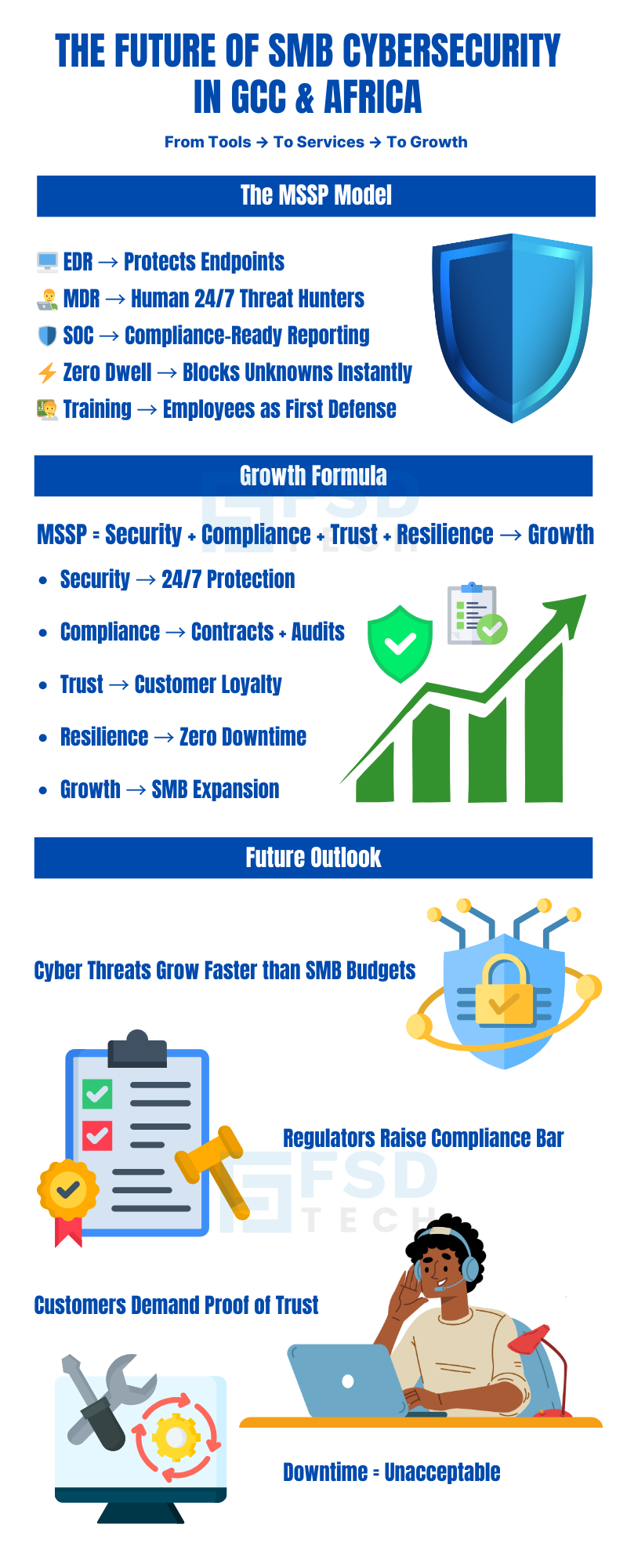
    Infographic on the future of SMB cybersecurity in GCC and Africa highlighting the MSSP model with EDR, MDR, SOC, zero dwell defense, and employee training. Shows growth formula linking security, compliance, trust, resilience to business expansion, plus outlook on rising threats, compliance demands, customer trust, and downtime risks.

    FAQ 

    1. Why can’t SMBs rely on antivirus and firewalls anymore?

    Antivirus and firewalls only stop known threats. Hackers today use advanced, unknown attacks that traditional tools can’t detect. SMBs in GCC & Africa need MSSP services like EDR and MDR to stay protected.


    2. What is an MSSP and how does it work?

    An MSSP (Managed Security Services Provider) manages all aspects of your cybersecurity. It gives SMBs access to 24/7 monitoring, compliance-ready reports, endpoint protection, Zero Dwell containment, and employee training at affordable monthly costs.


    3. Why are SMBs a top target for hackers?

    Hackers know SMBs often lack strong defenses. In fact, 43% of cyberattacks target SMBs. SMBs in GCC & Africa are attractive targets because they handle sensitive data but may not have advanced cybersecurity.


    4. How does MSSP help SMBs save money?

    Recovering from a cyberattack can cost $50,000–$200,000. MSSP services cost far less and prevent these losses. For every $1 spent on MSSP, SMBs can save $4–$8 in avoided downtime, fines, and lost business.


    5. How does MSSP reduce downtime for SMBs?

    Downtime means lost sales, angry customers, and reputation damage. With Zero Dwell containment and MDR monitoring, MSSPs stop threats instantly, ensuring SMB operations keep running smoothly.


    6. How does MSSP help SMBs win bigger contracts?

    Large enterprises and governments require SMBs to show compliance. MSSPs provide SOC reports, ISO readiness, and 24/7 monitoring, helping SMBs in GCC & Africa qualify for bigger projects and tenders.


    7. Can SMBs in GCC & Africa really afford MSSP services?

    Yes. MSSPs like FSD-Tech are designed for SMBs with affordable monthly pricing instead of expensive in-house IT teams. This makes enterprise-level protection accessible for small and mid-sized businesses.


    8. How does MSSP build customer trust?

    Customers want to know their data is safe. MSSPs protect sensitive data with EDR, MDR, and Zero Dwell, while compliance reports reassure customers that your SMB is reliable and secure.


    9. What industries benefit most from MSSPs in GCC & Africa?

    Every industry benefits, but especially:

    • Healthcare → patient data protection.
    • Retail/e-commerce → secure payments.
    • Finance → compliance requirements.
    • Logistics/manufacturing → uptime and data security.


    10. What’s the difference between in-house security and MSSP?

    In-house teams are costly and limited. MSSPs provide enterprise-level expertise, 24/7 monitoring, and instant threat response at a fraction of the cost — without requiring SMBs to hire full security teams.


    11. How does MSSP support compliance?

    MSSPs provide SOC reports, audit-ready documentation, and ISO/PCI DSS compliance support. This helps SMBs avoid fines, pass audits, and build credibility with partners and regulators.

    12. How does MSSP improve employee cybersecurity?

    Employees are often the weakest link. MSSPs provide awareness training, teaching staff how to spot phishing, avoid mistakes, and become the first line of defense.


    13. Can MSSPs help SMBs expand into new markets?

    Yes. To expand into e-commerce, finance, or international trade, SMBs need strong cybersecurity. MSSPs ensure compliance and protection, giving SMBs the confidence to scale globally.


    14. How do MSSPs give SMBs a competitive edge?

    In GCC & Africa, customers and partners prefer SMBs with strong security. By showcasing MSSP protection and compliance, SMBs differentiate themselves from competitors who lack security maturity.
     

    15. What’s the first step to get started with MSSP services?

    The best first step is a Cybersecurity Growth Consultation. FSD-Tech helps SMBs assess risks, deploy EDR/MDR/SOC/Zero Dwell, and build a managed service plan that aligns with their growth strategy.

    The Future of SMB Cybersecurity – Why Managed Services Are the Only Way Forward

    About The Author

    Anas Abdu Rauf

    Anas is an Expert in Network and Security Infrastructure, With over seven years of industry experience, holding certifications Including CCIE- Enterprise, PCNSE, Cato SASE Expert, and Atera Certified Master. Anas provides his valuable insights and expertise to readers.

    Like This Story?

    Share it with friends!

    Subscribe to our newsletter!

    Atera

    (48)

    Cato Networks

    (118)

    ClickUp

    (70)

    FishOS

    (7)

    Miradore

    (21)

    PointGuard AI

    (9)

    Vembu

    (22)

    Xcitium

    (33)

    ZETA HRMS

    (76)

    Workflow Automation(8)

    Workforce Automation(1)

    AI Project Management(1)

    HR Data Automation(1)

    RMM(1)

    IT Workflow Automation(1)

    IT security(2)

    GCC compliance(4)

    Payroll Integration(2)

    IT support automation(3)

    procurement automation(1)

    lost device management(1)

    IT Management(5)

    IoT Security(2)

    Cato XOps(2)

    IT compliance(4)

    Workflow Management(1)

    Task Automation(1)

    OpenStack automation(1)

    Kubernetes lifecycle management(2)

    AI-powered cloud ops(1)

    SMB Security(8)

    Data Security(1)

    MDR (Managed Detection & Response)(4)

    Atera Integrations(2)

    MSP Automation(3)

    XDR Security(2)

    SMB Cyber Protection(1)

    Ransomware Defense(3)

    HR Tech Solutions(1)

    Zero Trust Network Access(3)

    Zero Trust Security(2)

    Endpoint Management(1)

    SaaS Security(1)

    Payroll Automation(5)

    IT Monitoring(2)

    Xcitium EDR SOC(15)

    Ransomware Protection GCC(1)

    M&A IT Integration(1)

    Network Consolidation UAE(1)

    MSSP for SMBs(1)

    Managed EDR FSD-Tech(1)

    Ransomware Protection(3)

    SMB Cybersecurity GCC(1)

    FSD-Tech MSSP(25)

    Antivirus vs EDR(1)

    Endpoint Security(1)

    Cybersecurity GCC(12)

    Data Breach Costs(1)

    Endpoint Protection(1)

    SMB Cybersecurity(8)

    Zero Dwell Containment(31)

    Managed Security Services(2)

    Xcitium EDR(30)

    Cloud Backup(1)

    Hybrid Backup(1)

    Backup & Recovery(1)

    pointguard ai(4)

    backup myths(1)

    vembu(9)

    SMB data protection(9)

    disaster recovery myths(1)

    Disaster Recovery(4)

    Vembu BDR Suite(19)

    GCCBusiness(1)

    DataProtection(1)

    Secure Access Service Edge(4)

    GCC HR software(18)

    Miradore EMM(15)

    Cato SASE(7)

    Cloud Security(8)

    Talent Development(1)

    AI Cybersecurity(12)

    AI Governance(4)

    AI Security(2)

    AI Compliance(2)

    AI Risk Management(1)

    GCC business security(1)

    GCC network integration(1)

    compliance automation(5)

    education security(1)

    GCC cybersecurity(2)

    BYOD security Dubai(8)

    App management UAE(1)

    Miradore EMM Premium+(5)

    MiddleEast(1)

    HealthcareSecurity(1)

    Team Collaboration(1)

    IT automation(12)

    Zscaler(1)

    SD-WAN(6)

    HR Integration(4)

    Cloud Networking(3)

    device management(9)

    VPN(1)

    RemoteWork(1)

    ZeroTrust(2)

    MPLS(1)

    Project Management(9)

    HR automation(16)

    share your thoughts

    Illustration showing identity-centric Zero Trust security with the Cato Client acting as a continuous identity signal, connecting users, devices, cloud resources, and OT systems through unified policy enforcement.”

    How the Cato Client Becomes the Identity Anchor for Zero Trust Access

    🕓 January 25, 2026

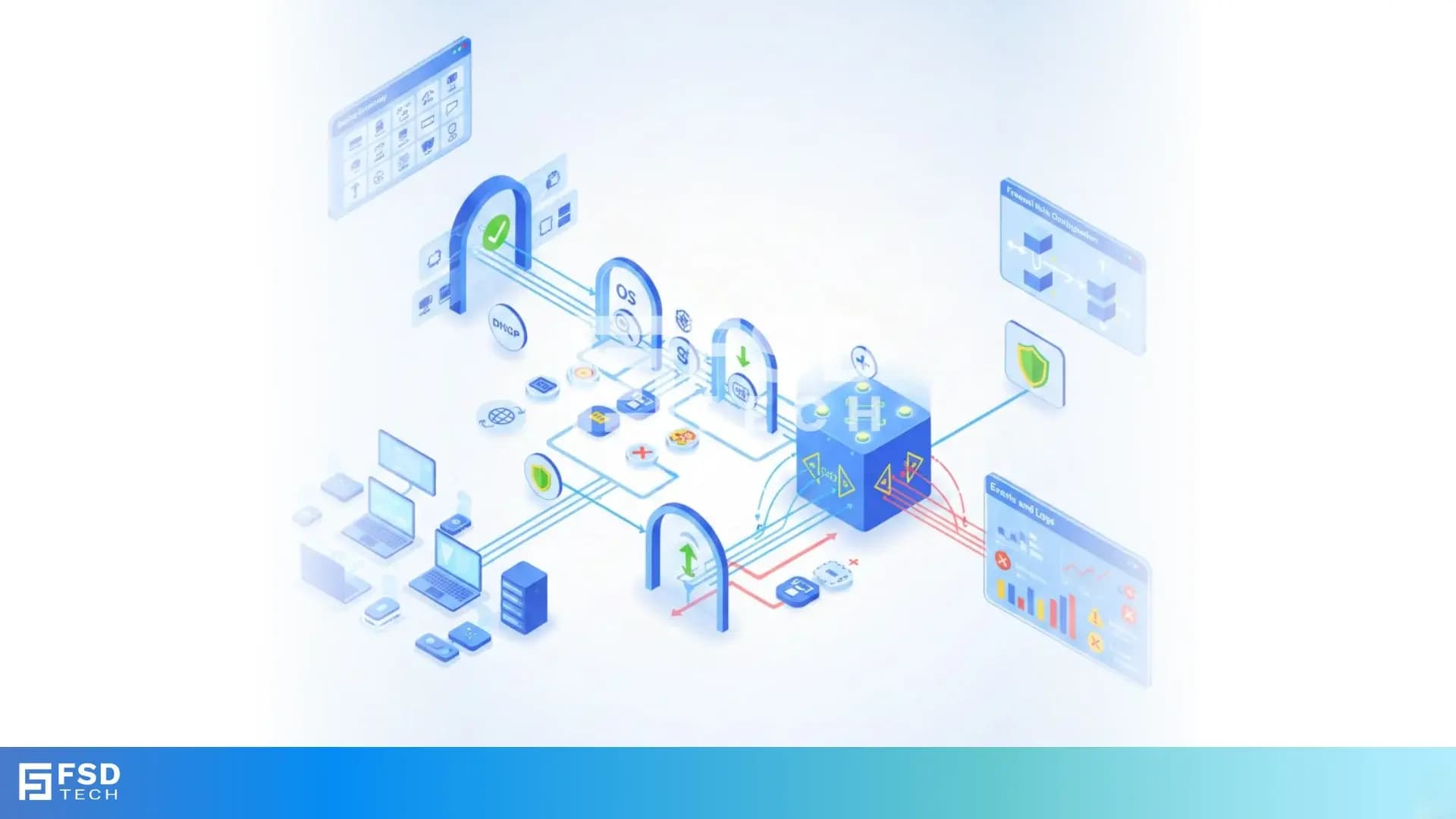
    Context-aware firewall enforcement in Cato SASE illustrating how device platform, country, and origin of connection enhance Zero Trust security beyond basic device context.

    Platforms, Countries, and Origin of Connection: Advanced Device Criteria in Cato Firewall

    🕓 January 24, 2026

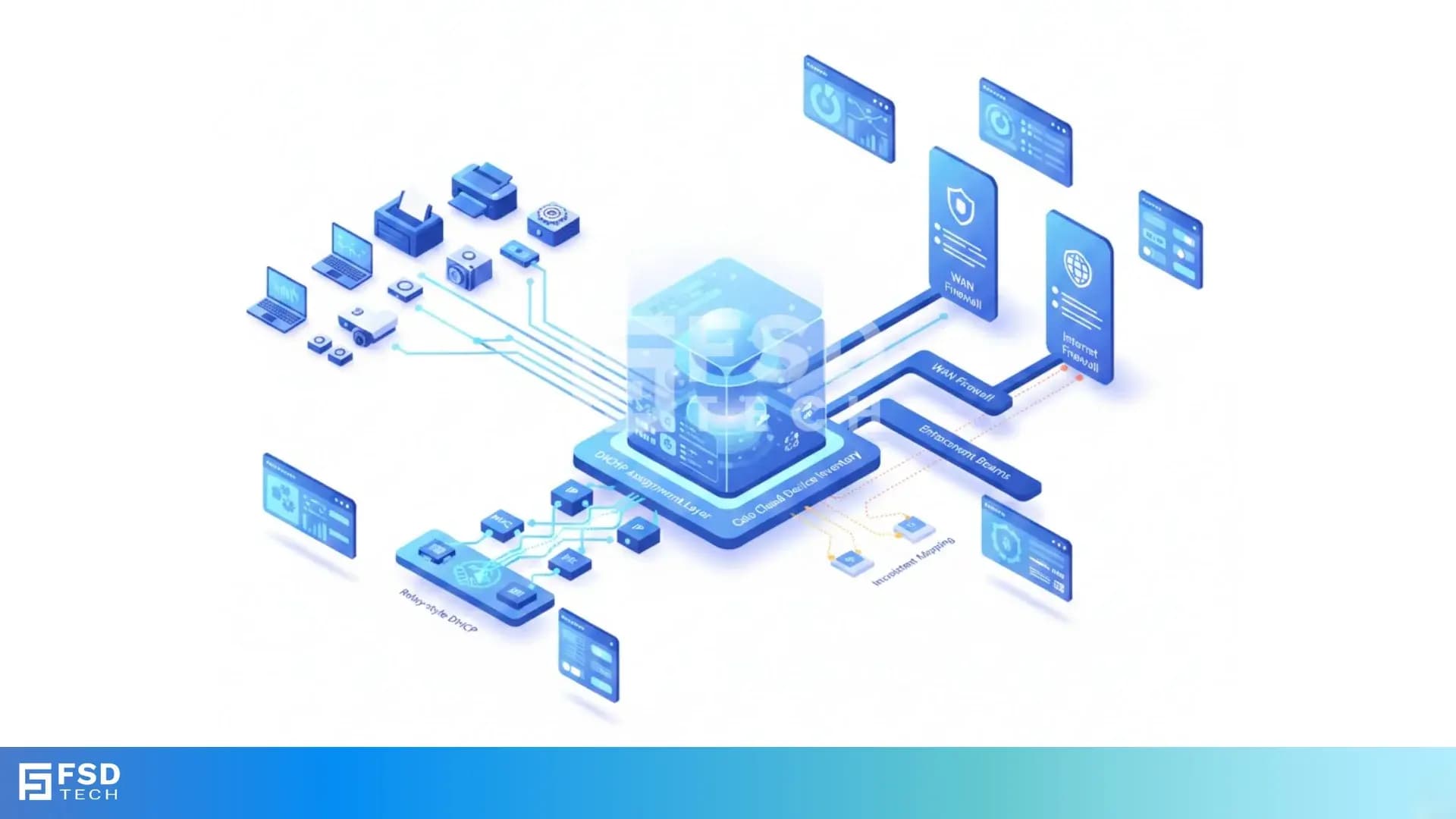
    Cato SASE platform visual showing device-aware WAN firewall enforcement with centralized security controls, analytics dashboards, IPS, and Zero Trust policy monitoring across enterprise infrastructure.

    Device-Aware WAN Firewall Policies in Cato SASE

    🕓 January 23, 2026

    Decoded(85)

    Cyber Security(118)

    BCP / DR(22)

    Zeta HRMS(75)

    SASE(21)

    Automation(70)

    Next Gen IT-Infra(118)

    Monitoring & Management(69)

    ITSM(22)

    HRMS(21)

    Automation(24)