HomeNext Gen IT-InfraMonitoring & ManagementCyber SecurityBCP / DRAutomationDecoded
Next Gen IT-Infra
Cato’s SASE Supports Cybersecurity Skills Development

How Cato’s SASE Supports Cybersecurity Skills Development

🕓 April 8, 2025

How SASE Supports the Security Needs of SMBs

How SASE Supports the Security Needs of SMBs

🕓 February 9, 2025

Attack Surface Reduction with Cato’s SASE

Attack Surface Reduction with Cato’s SASE

🕓 February 10, 2025

SASE for Digital Transformation in UAE

SASE for Digital Transformation in UAE

🕓 February 8, 2025

Monitoring & Management
Understanding Atera’s SLA Management

Understanding Atera’s SLA Management

🕓 February 7, 2025

Cost-Performance Ratio: Finding the Right Balance in IT Management Networks

Cost-Performance Ratio: Finding the Right Balance in IT Management Networks

🕓 June 16, 2025

Customizing Atera with APIs

Customizing Atera with APIs

🕓 March 3, 2025

Power Up Your IT Team’s Strategy with Atera’s Communication Tools

Power Up Your IT Team’s Strategy with Atera’s Communication Tools

🕓 February 8, 2025

Cyber Security
Visual guide showing Cato CMA interface for configuring Internet and WAN firewall rules, enabling threat protection, and monitoring security events in real time for UAE IT teams.

Enforcing Firewall and Threat Protection Policies in Cato

🕓 July 25, 2025

Isometric illustration of professionals managing network performance, bandwidth analytics, and cloud-based optimization around the Cato Networks platform, symbolizing bandwidth control and QoS visibility.

Mastering Bandwidth Control and QoS in Cato Networks

🕓 July 26, 2025

Illustration of the Cato Cloud architecture showing its role in delivering SASE for secure, optimized global connectivity.

Understanding the Cato Cloud and Its Role in SASE

🕓 January 29, 2025

Global network backbone powering Cato SASE solution for secure, high-performance connectivity across regions.

Global Backbone: The Engine Powering Cato’s SASE Solution

🕓 January 30, 2025

BCP / DR
Illustration showing diverse business and IT professionals collaborating with cloud, backup, and security icons, representing Vembu use cases for SMBs, MSPs, and IT teams.

Who Uses Vembu? Real-World Use Cases for SMBs, MSPs & IT Teams

🕓 July 12, 2025

Graphic showcasing Vembu’s all-in-one backup and disaster recovery platform with icons for cloud, data protection, and business continuity for IT teams and SMBs.

What Is Vembu? A Deep Dive Into the All in One Backup & Disaster Recovery Platform

🕓 July 6, 2025

Illustration showing Vembu backup and disaster recovery system with cloud storage, server racks, analytics dashboard, and IT professionals managing data.

The Rising Cost of Data Loss: Why Backup Is No Longer Optional?

🕓 August 14, 2025

3D isometric illustration of cloud backup and data recovery infrastructure with laptop, data center stack, and digital business icons — FSD Tech

RPO & RTO: The Heart of Business Continuity

🕓 August 15, 2025

Automation
Cross-Functional Collaboration with ClickUp

Fostering Cross-Functional Collaboration with ClickUp for Multi-Departmental Projects

🕓 February 11, 2025

ClickUp Project Reporting

Revolutionizing Enterprise Reporting with ClickUp’s Advanced Analytics and Dashboards

🕓 June 16, 2025

ClickUp’s Design Collaboration and Asset Management Tools

Empowering Creative Teams with ClickUp’s Design Collaboration and Asset Management Tools

🕓 February 26, 2025

ClickUp Communication and Collaboration Tools

ClickUp Communication and Collaboration Tools: Empowering Remote Teams

🕓 March 12, 2025

Decoded
Multi-Factor Authentication (MFA)

Multi-Factor Authentication (MFA): All You Need to Know

🕓 December 7, 2025

L3 Switch

What Is an L3 Switch? L2 vs L3 & Why You Need Layer 3?

🕓 December 8, 2025

IPSec

IPSec Explained: Protocols, Modes, IKE & VPN Security

🕓 December 3, 2025

 Datagram Transport Layer Security (DTLS)

What is Datagram Transport Layer Security (DTLS)? How it works?

🕓 December 4, 2025

    Subscribe to our newsletter!

    About Us

    Follow Us

    Copyright © 2024 | Powered by 

    Cato SASE Architecture

    Inside Cato’s SASE Architecture: A Blueprint for Modern Security

    🕓 January 26, 2025

    Enterprise Data Security and Privacy with ClickUp

    Ensuring Enterprise Data Security and Privacy with ClickUp

    🕓 February 9, 2025

    DDoS protection SASE

    DDoS Protection and Cato’s Defence Mechanisms

    🕓 February 11, 2025

    Table of Contents

    Managing BYOD Securely with Miradore EMM

    Anas Abdu Rauf
    July 20, 2025
    Comments
    Businessman and IT agent connect via mobile device, symbolizing secure BYOD and device management with Miradore EMM.

    Introduction

    Allowing employees to use their own smartphones, tablets, and laptops for work brings undeniable flexibility, especially in hybrid and remote work environments. But BYOD (Bring Your Own Device) programs also raise critical security and compliance concerns. Without proper controls, personal devices can become entry points for data leaks, policy violations, and regulatory risks.
     

    Miradore EMM, especially with its Premium+ capabilities, makes it possible to implement a secure BYOD strategy—giving IT full control over business data while maintaining employee privacy. This blog explores how Miradore simplifies secure BYOD adoption without compromise.
     

    Key Summary

    • Android Work Profiles and iOS User Enrollment enable secure, privacy-first BYOD
    • Corporate and personal data are separated via OS-native containers
    • Security policies apply only to managed apps and environments
    • Remote wipe targets only corporate workspaces, not personal data
    • Compliance reports support audit-readiness and regulatory tracking
    • Miradore preserves end-user privacy while enabling enterprise-grade controls


    What Is BYOD in Miradore?

    Miradore enables BYOD support by using secure enrollment and management mechanisms provided by each operating system:
     

    • Android Enterprise Work Profile: Creates a secure work container on Android phones and tablets, isolating corporate apps and data. IT can control the business workspace while leaving personal data untouched.
       
    • Apple User Enrollment: A privacy-first enrollment mode on iOS and iPadOS that grants IT control over business data and apps without accessing or modifying personal settings or files. Apple User Enrollment also limits IT visibility to managed apps, enrolled accounts, and workspace activity.
       

    These methods provide essential separation between business and personal use while allowing organizations to enforce policies that apply only to corporate resources.

    How Miradore Secures BYOD Devices

    1. Separation of Corporate and Personal Data

    With containerization technologies, Miradore ensures complete isolation between corporate and personal environments. Within the container:

    • Only IT-approved business apps can run
    • Secure configurations (e.g., VPN, Wi-Fi, DNS) apply only to work apps
    • Data sharing between personal and corporate environments is restricted by policy

    This reduces the risk of unintentional data leaks while allowing employees to maintain full control over their personal digital lives.

    2. Scoped Policy Enforcement

    IT administrators can configure and apply policies that govern only the managed portion of the device. These include:

    • Password strength requirements for business app access
    • Mandatory encryption within the work profile
    • Disabling screen captures or copy/paste between personal and business apps
    • Automated VPN routing for traffic generated by business apps only

    By focusing policy enforcement within the container, Miradore keeps personal usage unaffected while ensuring corporate security requirements are met.

    3. Selective Remote Control

    In the event of device loss, theft, or employee offboarding, Miradore allows:

    • Selective wipe: Instantly removes all business data and apps from the work profile, leaving personal content intact
    • Remote lock: Prevents access to the work container without locking the entire device
    • App reinstall/reset: Forces business apps to reinstall with latest configurations while preserving device usability

    This targeted control builds user trust and minimizes resistance to BYOD adoption.


    Platform Support and Enrollment Options
     

    PlatformEnrollment MethodDescription
    AndroidAndroid Enterprise Work ProfileSeparates work apps/data from personal on the same device
    iOS/iPadOSApple User EnrollmentPrivacy-preserving way to manage corporate data on iOS
    Windows/macOSStandard EnrollmentManages corporate profiles; limited BYOD containerization


    These methods empower IT teams to scale secure BYOD programs across device types while aligning with end-user expectations.


    Compliance and Audit Readiness

    Miradore’s logging and reporting engine provides granular visibility into BYOD activity, helping organizations meet audit requirements and maintain policy enforcement across all managed environments:
     

    • Real-time monitoring of encryption, passcode, and policy status
    • Detection of jailbreak/rooted devices or unauthorized app installations
    • Automatic compliance violation alerts with policy-based remediation
    • Exportable reports for regulatory audits, including data residency and device compliance summaries

    For enterprises operating in regulated sectors (finance, healthcare, education), these features simplify audits related to GDPR, ISO 27001, and local frameworks such as NESA or SAMA in the GCC.


    Real-World Example: Enabling Secure BYOD in a Financial Firm

    A mid-sized financial services company enabled BYOD to support field agents using personal devices. With Miradore, the IT team was able to:
     

    • Deploy Android Work Profiles and Apple User Enrollment using zero-touch links
    • Restrict corporate data sharing and enforce work profile encryption
    • Push business apps like Microsoft Outlook, Zoom, and Salesforce only into the work profile
    • Perform selective wipes and generate compliance reports when agents exited

    This strategy helped them expand their mobile workforce without risking exposure of sensitive customer and financial data.


    Get Started with Secure BYOD in Miradore

    Miradore's BYOD management capabilities allow organizations to embrace device diversity without giving up control or security. With native OS integration, scoped controls, and audit-ready logs, you can safely enable personal device use at scale.
     

    FAQs: 

    1. What BYOD enrollment methods does Miradore support?

    Miradore supports Android Work Profiles and Apple User Enrollment. These enrollment types use native OS-level containerization to isolate business environments from personal use.
     

    2. Can Miradore wipe only corporate data without touching personal files?

    Yes. Miradore's selective wipe capability removes all business apps, settings, and data from the managed container while leaving personal apps, media, and files untouched.
     

    3. Are security policies enforced outside the work profile?

    No. Miradore ensures that security configurations such as password requirements, VPNs, or encryption apply only within the managed workspace. The user’s personal settings remain fully private and unrestricted.
     

    4. Can I track compliance across BYOD devices?

    Yes. Miradore’s compliance dashboard shows encryption status, OS version, jailbreak/root detection, and policy violations in real time. These metrics are included in exportable reports for internal reviews or audits.
     

    5. How does Miradore ensure user privacy on BYOD devices?

    Miradore leverages Android Work Profiles and Apple User Enrollment to create containers that IT cannot monitor or access beyond the business environment. Personal emails, files, contacts, and media remain private.
     

    6. Is Miradore suitable for regulated industries using BYOD?

    Yes. Miradore’s Premium+ feature set includes audit logs, compliance tracking, selective wipe, and encryption enforcement, making it ideal for use in healthcare, finance, education, and government sectors with strict data handling laws.


    Managing BYOD Securely with Miradore EMM

    About The Author

    Anas Abdu Rauf

    Anas is an Expert in Network and Security Infrastructure, With over seven years of industry experience, holding certifications Including CCIE- Enterprise, PCNSE, Cato SASE Expert, and Atera Certified Master. Anas provides his valuable insights and expertise to readers.

    Like This Story?

    Share it with friends!

    Subscribe to our newsletter!

    Atera

    (48)

    Cato Networks

    (111)

    ClickUp

    (65)

    FishOS

    (7)

    Miradore

    (21)

    PointGuard AI

    (9)

    Vembu

    (22)

    Xcitium

    (33)

    ZETA HRMS

    (67)

    Workflow Automation(5)

    Workforce Automation(1)

    AI Project Management(1)

    HR Data Automation(1)

    RMM(1)

    IT Workflow Automation(1)

    IT security(2)

    GCC compliance(4)

    Payroll Integration(2)

    IT support automation(3)

    procurement automation(1)

    lost device management(1)

    IT Management(5)

    IoT Security(2)

    Cato XOps(2)

    IT compliance(4)

    Task Automation(1)

    Workflow Management(1)

    OpenStack automation(1)

    Kubernetes lifecycle management(2)

    AI-powered cloud ops(1)

    SMB Security(8)

    Data Security(1)

    MDR (Managed Detection & Response)(4)

    Atera Integrations(2)

    MSP Automation(3)

    XDR Security(2)

    SMB Cyber Protection(1)

    Ransomware Defense(3)

    HR Tech Solutions(1)

    Zero Trust Network Access(3)

    Zero Trust Security(2)

    Endpoint Management(1)

    SaaS Security(1)

    Payroll Automation(5)

    IT Monitoring(2)

    Xcitium EDR SOC(15)

    Ransomware Protection GCC(1)

    M&A IT Integration(1)

    Network Consolidation UAE(1)

    MSSP for SMBs(1)

    FSD-Tech MSSP(25)

    SMB Cybersecurity GCC(1)

    Managed EDR FSD-Tech(1)

    Ransomware Protection(3)

    Antivirus vs EDR(1)

    Cybersecurity GCC(12)

    Endpoint Security(1)

    Endpoint Protection(1)

    Data Breach Costs(1)

    Managed Security Services(2)

    SMB Cybersecurity(8)

    Zero Dwell Containment(31)

    Xcitium EDR(30)

    Cloud Backup(1)

    Hybrid Backup(1)

    Backup & Recovery(1)

    pointguard ai(4)

    disaster recovery myths(1)

    backup myths(1)

    vembu(9)

    SMB data protection(9)

    Vembu BDR Suite(19)

    Disaster Recovery(4)

    DataProtection(1)

    GCCBusiness(1)

    Secure Access Service Edge(4)

    GCC HR software(15)

    Miradore EMM(15)

    Cato SASE(7)

    Cloud Security(8)

    Talent Development(1)

    AI Cybersecurity(12)

    AI Risk Management(1)

    AI Governance(4)

    AI Security(2)

    AI Compliance(2)

    GCC business security(1)

    GCC network integration(1)

    compliance automation(4)

    GCC cybersecurity(2)

    education security(1)

    App management UAE(1)

    BYOD security Dubai(8)

    Miradore EMM Premium+(5)

    HealthcareSecurity(1)

    MiddleEast(1)

    Team Collaboration(1)

    IT automation(10)

    Zscaler(1)

    SD-WAN(6)

    HR Integration(4)

    Cloud Networking(3)

    device management(9)

    RemoteWork(1)

    ZeroTrust(2)

    VPN(1)

    MPLS(1)

    Project Management(9)

    HR automation(16)

    share your thoughts

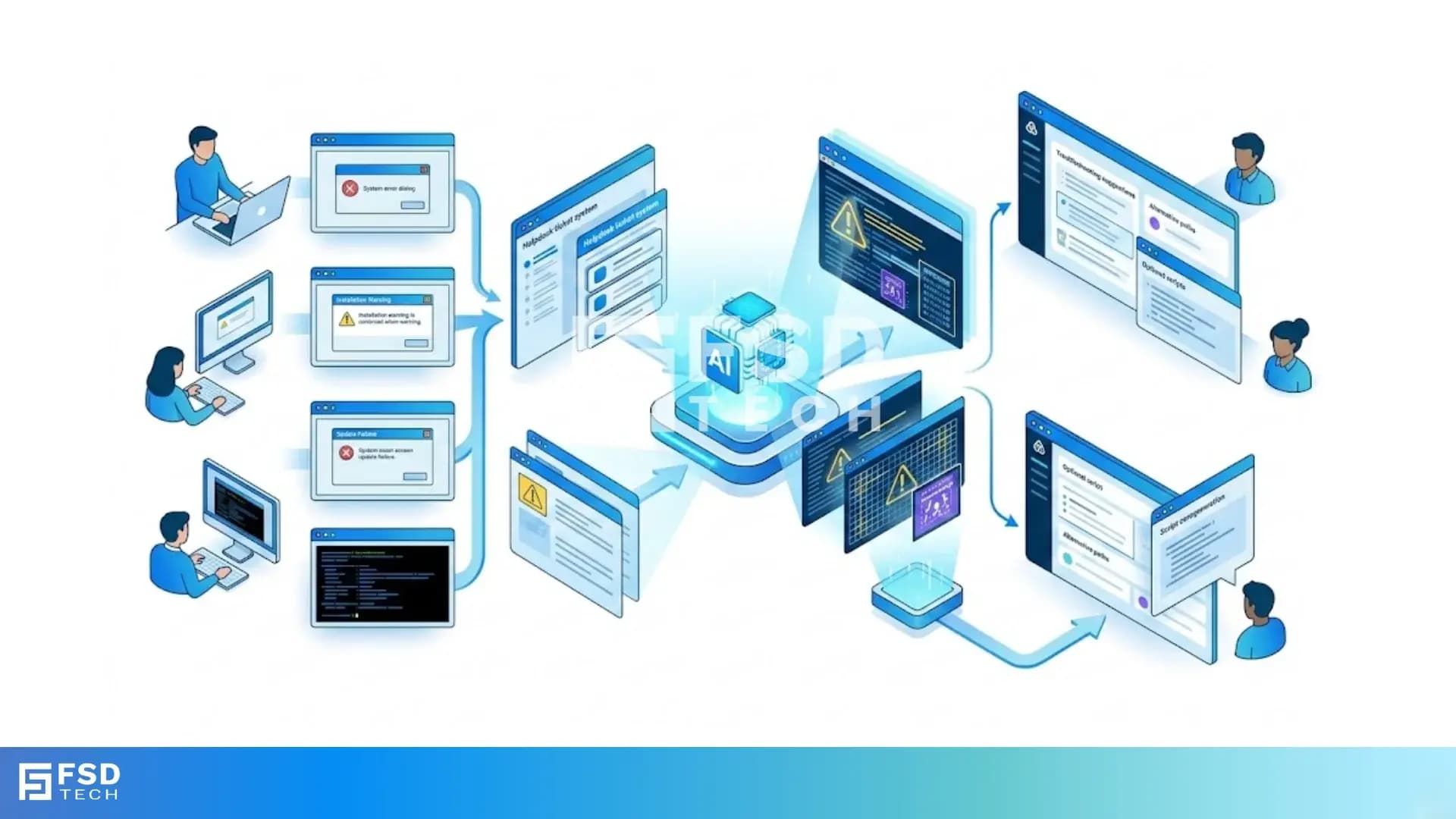
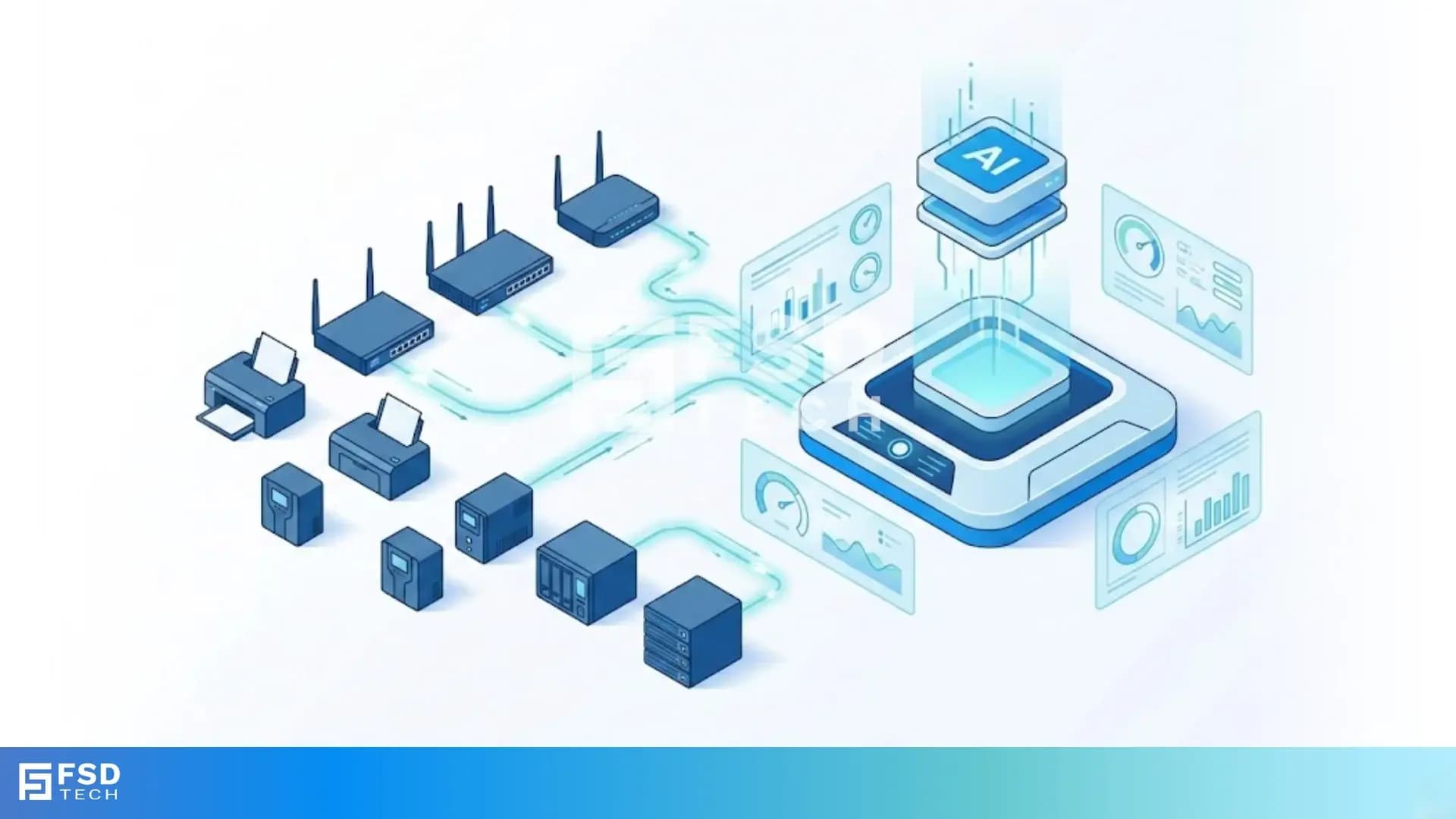
    Illustration showing Atera’s AI Diagnostic Core performing automated health checks, root-cause analysis, and device actions across multiple endpoints for IT teams and MSP environments.

    Health Checks & Device Actions in Atera: From Detection to Autonomous Remediation

    🕓 December 15, 2025

    Illustration showing Atera’s AI automation hub with a glowing blue sphere connected to multiple screens displaying tickets, device data, scripts, instant response times, and technician dashboards. Two IT technicians sit at workstations monitoring hours saved and ticket analytics.

    AI Copilot 3.0 and Action Mode: From Recommendations to Fully Autonomous IT

    🕓 December 12, 2025

    Illustration showing an AI-driven IT automation hub connected to laptops, servers, and cloud systems, with technicians managing device health, security, telemetry, and updates around a central AI autopilot engine.

    From Reactive Support to Autonomous IT: How Atera’s IT Autopilot Redefines First-Tier IT Assistance

    🕓 December 8, 2025

    Decoded(43)

    Cyber Security(112)

    BCP / DR(22)

    Zeta HRMS(66)

    SASE(21)

    Automation(65)

    Next Gen IT-Infra(111)

    Monitoring & Management(69)

    ITSM(22)

    HRMS(21)

    Automation(24)