.webp&w=3840&q=75)
How ClickUp Enables Outcome-Based Project Management (Not Just Task Tracking)
🕓 February 15, 2026
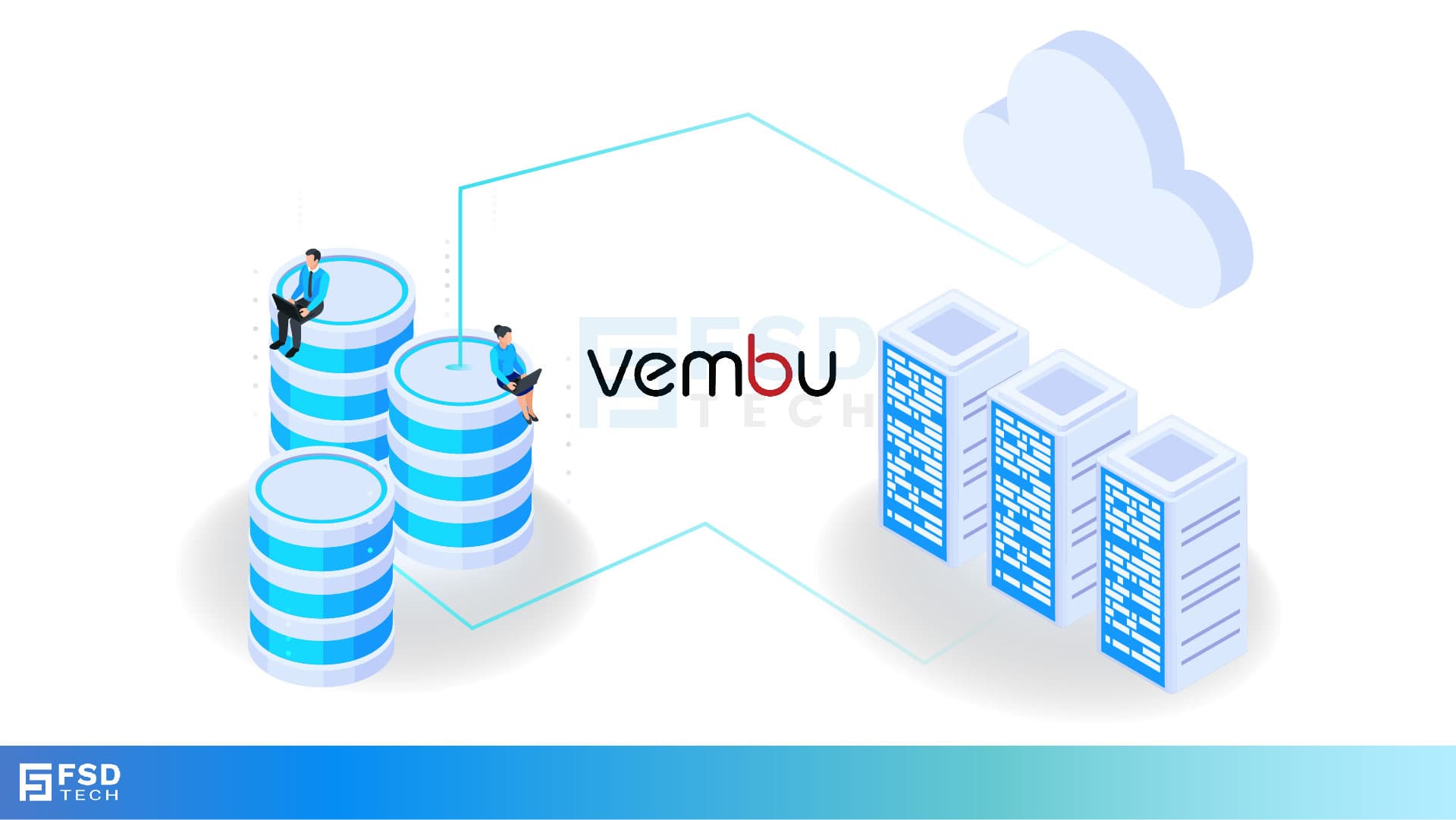
When building a backup strategy, one of the first decisions is where to store your backup data. Two common approaches are hybrid backup and cloud-only backup. Each has practical strengths, and the right choice depends on your recovery requirements, infrastructure setup, and budget.
For enterprises in the GCC, this choice carries added weight. Internet connectivity quality, data sovereignty considerations, recovery time requirements, and compliance obligations all influence the decision.
This blog breaks down both approaches and explains how BDRShield by Vembu supports either option.
Hybrid backup stores backup copies in more than one location: typically on local on-premise storage and in the cloud. The local copy enables fast recovery because data does not need to travel over the internet. The cloud copy provides offsite protection against site-level failures such as fires, floods, or power outages.
BDRShield describes its approach as hybrid storage, supporting local and cloud backup simultaneously. Backup data can be stored on local drives, NAS, SAN, and deduplication appliances, alongside cloud targets such as BDRShield Cloud, AWS S3, Azure Blob, Google Cloud, Wasabi, MinIO, or Backblaze.
Cloud-only backup stores all backup copies in cloud storage, with no on-premise copy. This approach reduces the need for local storage hardware and can work well for organizations with strong, reliable internet connectivity and workloads where recovery time from the cloud is acceptable.
BDRShield supports cloud-only backup through its Cloud Console and cloud storage integrations. Organizations can back up directly to BDRShield Cloud or to any supported public cloud provider without maintaining local storage.
| Factor | Hybrid Backup | Cloud-Only Backup |
| Recovery Speed | Fast local recovery from on-premise copy | Recovery depends on internet speed and cloud download |
| Offsite Protection | Cloud copy provides offsite protection | All copies are offsite; no local restore option |
| Hardware Cost | Requires on-premise storage investment | No local hardware needed |
| Ransomware Defense | Air-gapped local copies add defense layer | Cloud immutability provides defense |
| Connectivity Dependency | Local recovery does not need internet | Full internet dependency for all recoveries |
| 3-2-1 Compliance | Naturally supports the 3-2-1 rule | Requires multiple cloud targets to meet 3-2-1 |
Hybrid backup is well-suited for GCC enterprises that need fast local recovery, have existing on-premise storage infrastructure, want to implement the 3-2-1 backup rule naturally, or operate in environments where internet connectivity may be inconsistent.
For example, a manufacturing company in Saudi Arabia with large VMware workloads may need local recovery capability to restore virtual machines in under 15 minutes. Depending entirely on cloud recovery over a WAN link may not meet that RTO requirement.
Cloud-only backup suits organizations that prefer to minimize on-premise hardware, have reliable high-speed internet, primarily protect SaaS workloads such as Microsoft 365 or Google Workspace, or are starting a new environment without existing storage infrastructure.
A professional services firm in Dubai that runs primarily on Microsoft 365 and wants a simple, low-overhead backup setup may find cloud-only backup adequate.
Also Read: Immutable Backups: What They Are and Why You Need Them
BDRShield does not force businesses to choose one model and stick to it. According to Vembu, BDRShield supports flexible storage: local disk, NAS, SAN, deduplication appliances, BDRShield Cloud, and 15 or more cloud providers.
Organizations can start with one approach and add storage targets over time. An MSP in Qatar might deploy cloud-only backup for a small retail client and hybrid backup for a financial services client, all managed from the same BDRShield console.
Also Read: The Top 5 Data Protection Trends Every Business in GCC & Africa Must Know in 2025
FSD-Tech works with businesses across the GCC to design backup strategies that match their recovery requirements, infrastructure, and budget. Whether you need hybrid backup for fast local recovery or a cloud-first approach for simplicity, our team helps deploy and configure BDRShield to meet your needs.
Hybrid backup stores data in two or more locations, typically on-premise and in the cloud. Cloud-only backup stores all copies in cloud storage. Hybrid backup usually enables faster local recovery, while cloud-only backup reduces the need for on-premise hardware.
Yes. BDRShield supports hybrid storage, allowing backup data to be stored simultaneously on local storage and in the cloud. Supported targets include DAS, NAS, SAN, BDRShield Cloud, and public cloud providers.
Yes. BDRShield allows you to add or change storage targets without reconfiguring the entire backup setup. You can add cloud targets or local storage at any time.
BDRShield supports BDRShield Cloud, AWS S3, Azure Blob, Google Cloud, Wasabi, MinIO, Backblaze, and any S3-compatible storage provider.
There is no single right answer between hybrid and cloud-only backup. The best strategy depends on your GCC business's recovery requirements, infrastructure, and budget. What matters most is that your backup strategy is tested, verified, and ready before you need it.
BDRShield gives businesses the flexibility to implement either approach, and the tools to verify that backups are working correctly. FSD-Tech brings local GCC expertise to help you design and deploy the right strategy.

Surbhi Suhane is an experienced digital marketing and content specialist with deep expertise in Getting Things Done (GTD) methodology and process automation. Adept at optimizing workflows and leveraging automation tools to enhance productivity and deliver impactful results in content creation and SEO optimization.
Share it with friends!


.webp&w=3840&q=75)
share your thoughts