.webp&w=3840&q=75)
How ClickUp Enables Outcome-Based Project Management (Not Just Task Tracking)
🕓 February 15, 2026
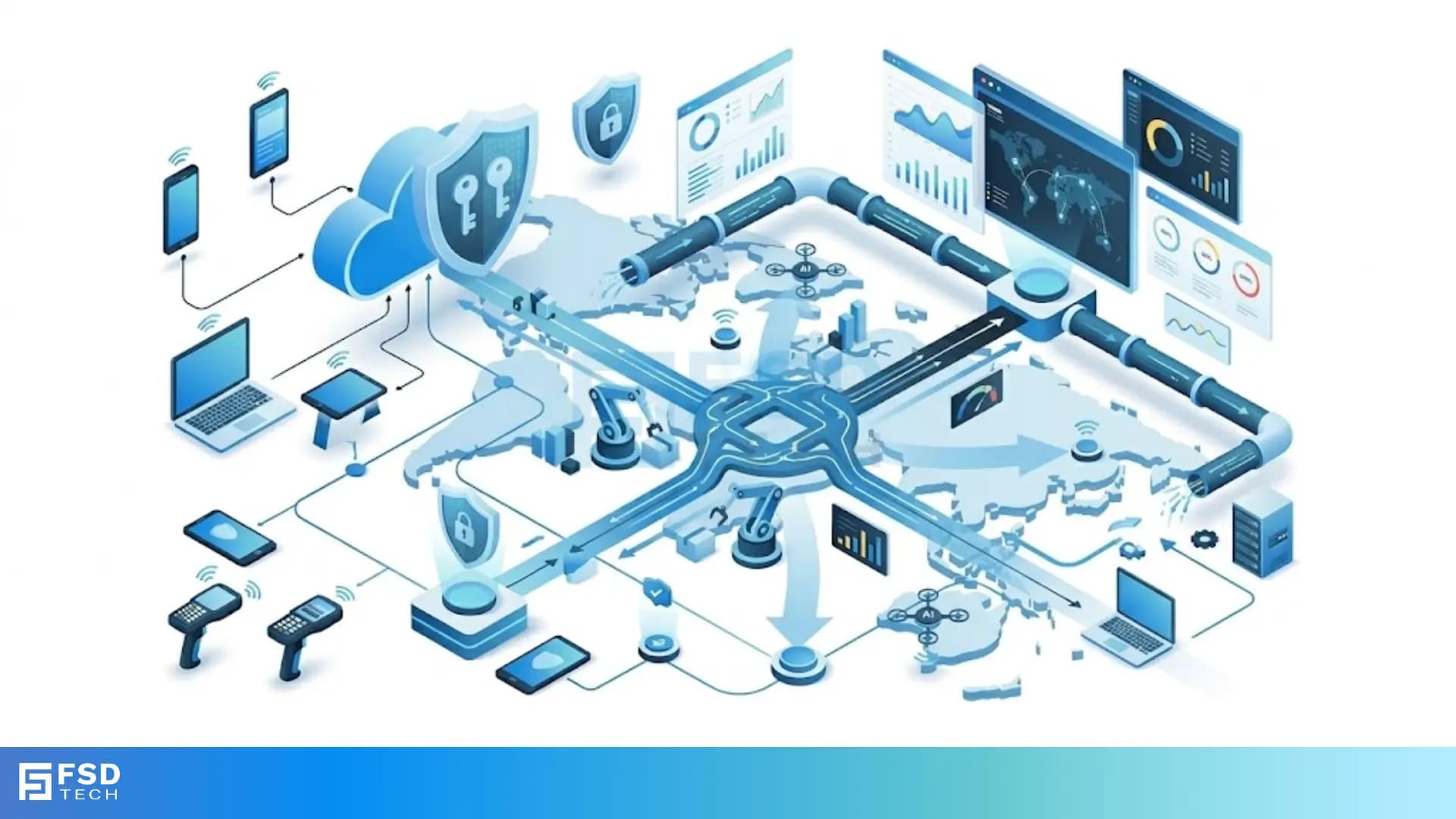
Global Private Backbone refers to a dedicated, high-speed network infrastructure that connects various points of presence (PoPs) across the world to provide secure and optimized data transport. Have you ever wondered why your branch office in Singapore struggles to access applications hosted in New York? Or why your remote team complains about "laggy" video calls despite having fast local internet?
The truth is, the public internet was never built for the rigorous demands of modern business. It is a "best-effort" network where your critical data competes with cat videos and movie streams for bandwidth. This results in unpredictable latency, packet loss, and jitter.
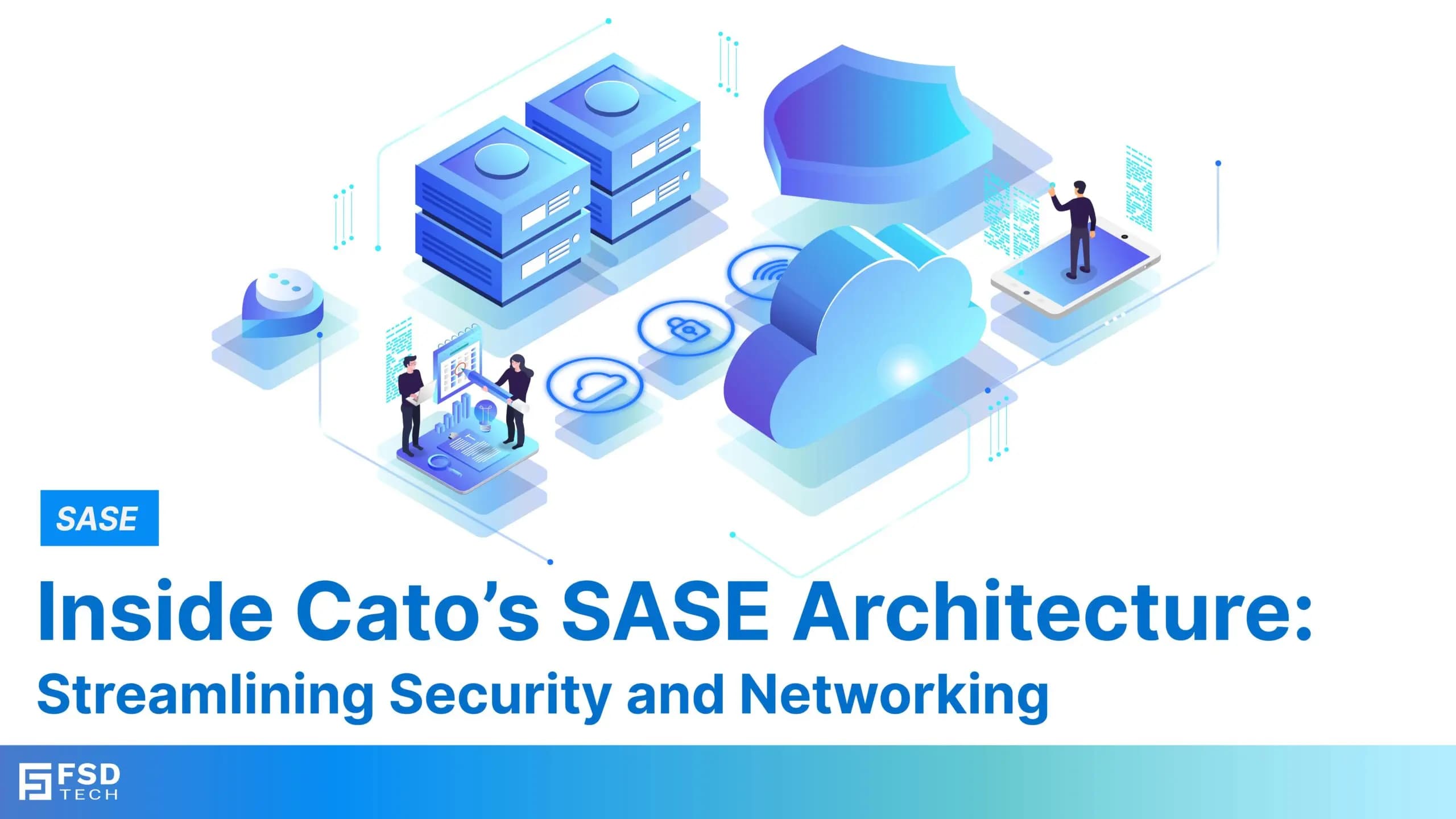
To solve this, many enterprises are turning to a Global Private Backbone as a core component of their Secure Access Service Edge (SASE) strategy. But what exactly makes it different from the internet or old-school MPLS? Let's break it down over a virtual coffee.
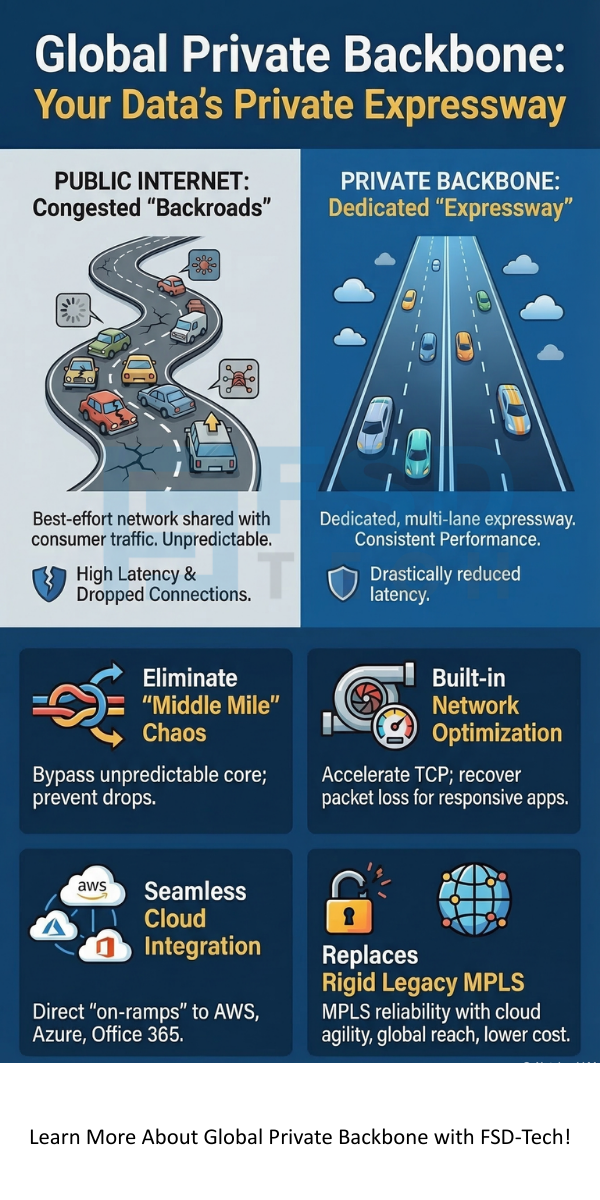
In simple terms, think of a Global Private Backbone as a private highway system for your data. While the public internet is like a series of congested backroads with stop signs every mile, a private backbone is a multi-lane expressway with no traffic lights.
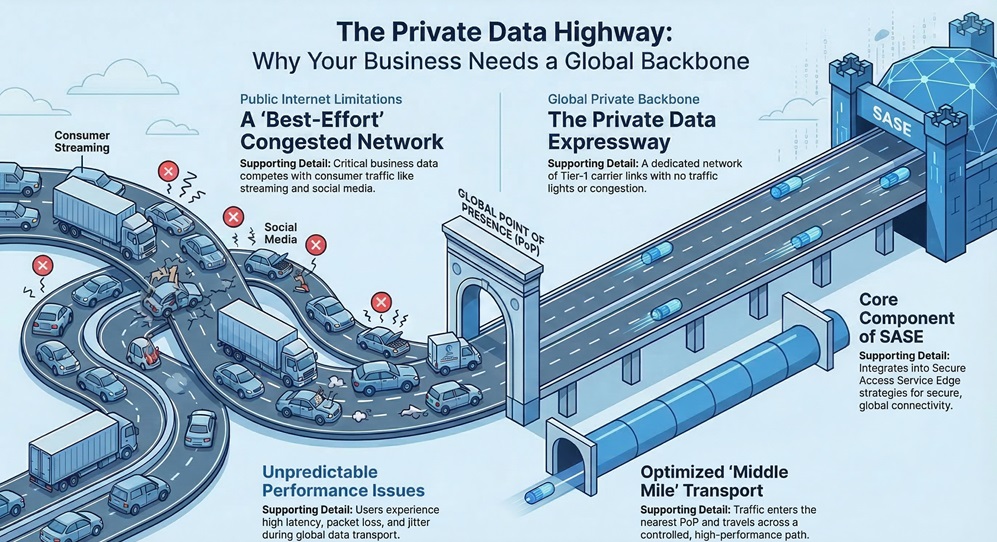
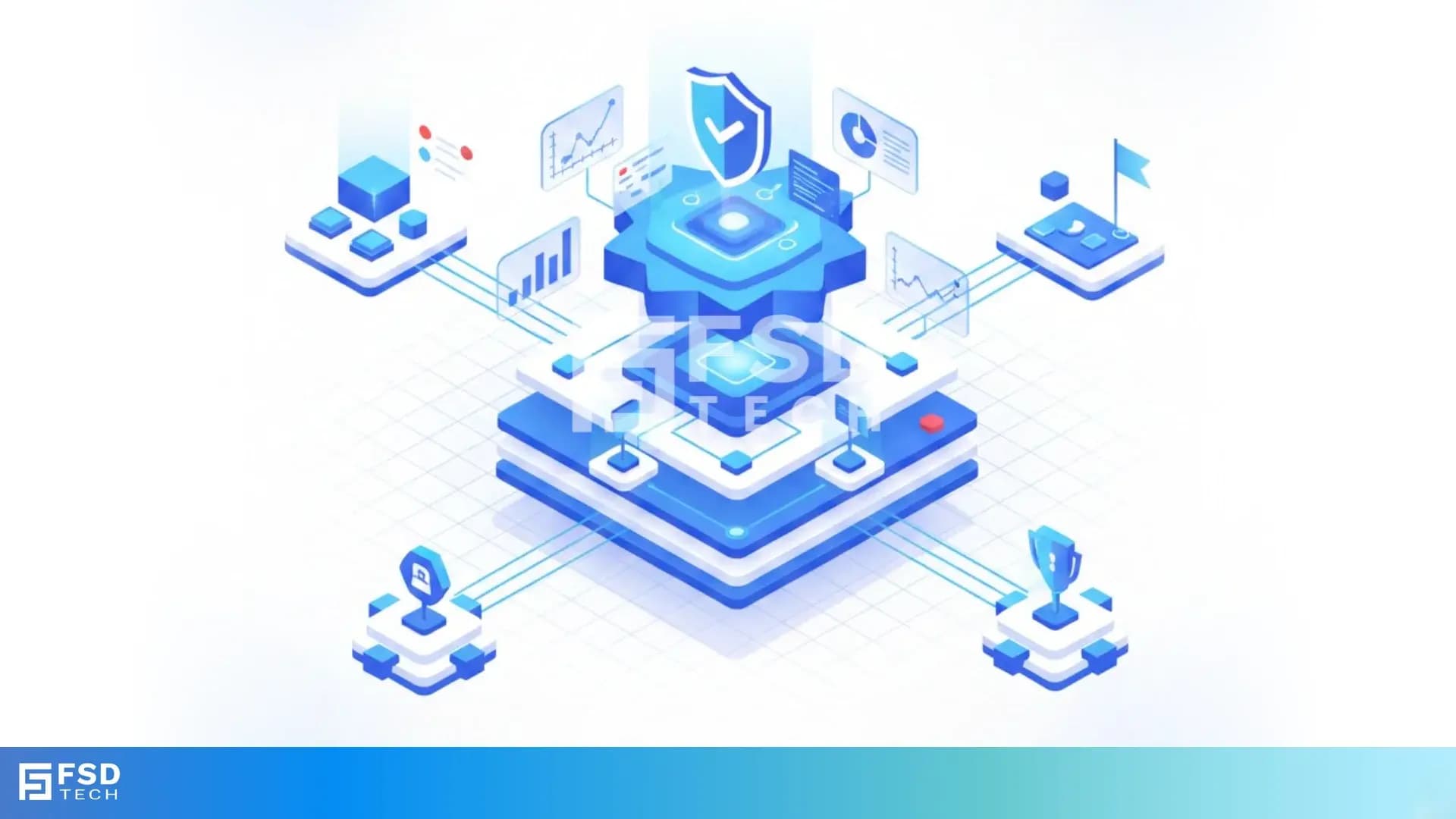
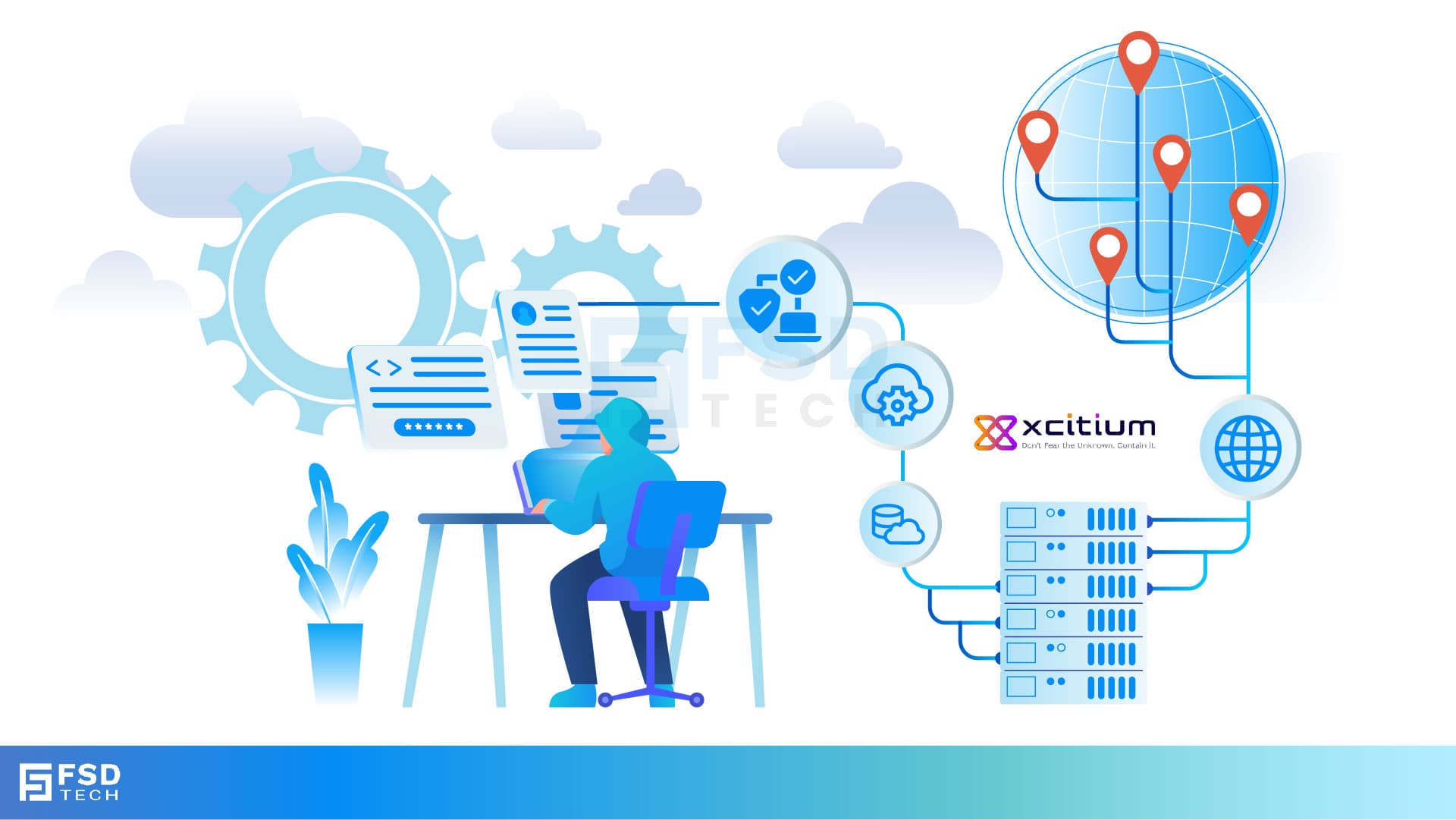
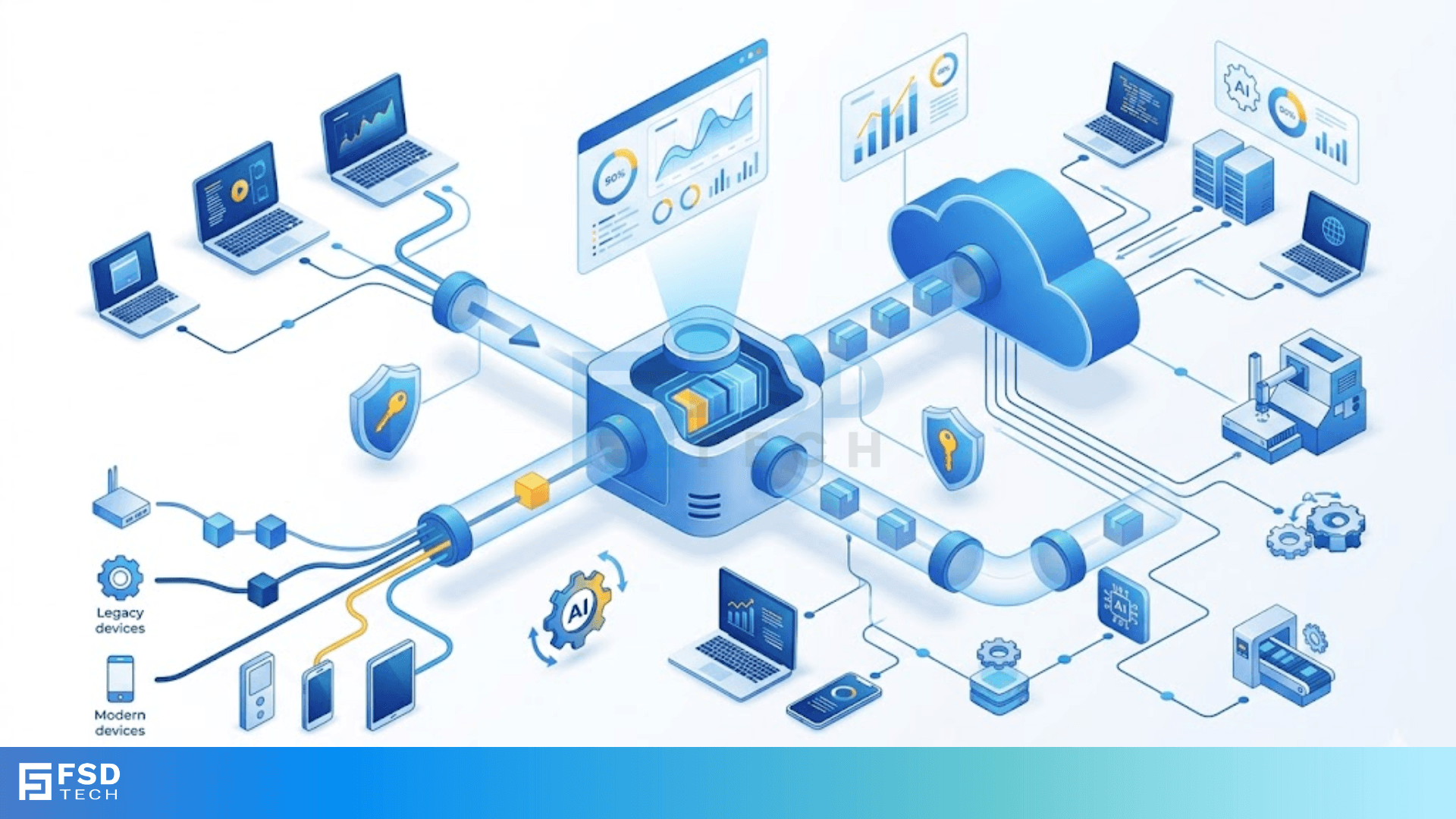
This network consists of globally distributed PoPs connected by tier-1 carrier links. When you connect to a SASE cloud, your traffic enters the nearest PoP and travels across this optimized "middle mile" to its destination. Because the provider controls the entire path, they can guarantee performance in ways the public internet simply cannot.
Get a Demo of Cato’s Global Private Backbone
To be honest, the internet is great for browsing, but it's a nightmare for consistent business performance. ISPs often prioritize cost savings over performance. Your data might take a dozen different "hops" between routers owned by different companies, each adding a tiny bit of delay. By the time your data crosses an ocean, those delays add up to a frustrated user.
You might ask, "Isn't this just what MPLS does?" Well, yes and no. Multiprotocol Label Switching (MPLS) provided reliability for decades, but it's incredibly rigid and expensive. It doesn't scale well for cloud applications or mobile users. A modern Global Private Backbone gives you the reliability of MPLS with the agility and global reach of the cloud.
Also Read: SASE Point of Presence (PoP): The Heart of Cloud-Native Networking
We've all been there: a critical global meeting starts, and the connection drops. It’s embarrassing and costs money. A Global Private Backbone solves this by focusing on three main areas:
1. Eliminating the "Middle Mile" Chaos
The "middle mile" is the long-distance stretch between your office and a distant server. By using a private backbone, you bypass the unpredictable public core of the internet. This drastically reduces latency and ensures that your data arrives exactly when it's supposed to.
2. Built-in Optimization
A high-quality Global Private Backbone doesn't just move data; it fixes it along the way. Most SASE providers build optimization features directly into the backbone, such as:
3. Seamless Cloud Integration
Fast-forward to today, where most of your data lives in AWS, Azure, or Office 365. A Global Private Backbone is designed to have "on-ramps" directly into these cloud providers. This means your users get a direct, high-speed path to their most important tools, no matter where they are working from.
In my experience, if you have more than one office or a team that travels, the answer is usually yes. Picture this: a manufacturing plant in Vietnam needing to send large CAD files to headquarters in Germany. Over the public internet, that could take hours and fail halfway through. With a Global Private Backbone, it takes minutes and stays secure.
Are you tired of hearing your team complain about slow apps? It might be time to stop blaming your local Wi-Fi and look at how your data travels across the world.
Also Read: Cloud-Native Architecture: Why SASE is the Future of Global Networking?
At Cato Networks, we believe that your network should be a bridge to growth, not a barrier. By choosing the SASE way and utilizing a Global Private Backbone, you're investing in a future where your team can work from anywhere without compromise. We focus on making the complex simple, so you can focus on what you do best—running your business. Ready to see the difference? Let's build a network that actually keeps up with you.
If you're looking to upgrade your infrastructure, keep these points in mind:
No, you still need a local internet connection (like fiber or 5G) to reach the backbone. The backbone handles the long-distance "middle mile" travel.
Absolutely. Because the traffic stays within a private, controlled environment, it's much harder for bad actors to intercept or disrupt it.
Yes! Modern SASE providers offer these services as a subscription, making enterprise-grade networking affordable for companies of all sizes.

Surbhi Suhane is an experienced digital marketing and content specialist with deep expertise in Getting Things Done (GTD) methodology and process automation. Adept at optimizing workflows and leveraging automation tools to enhance productivity and deliver impactful results in content creation and SEO optimization.
Share it with friends!



.webp&w=3840&q=75)
share your thoughts