.webp&w=3840&q=75)
How ClickUp Enables Outcome-Based Project Management (Not Just Task Tracking)
🕓 February 15, 2026
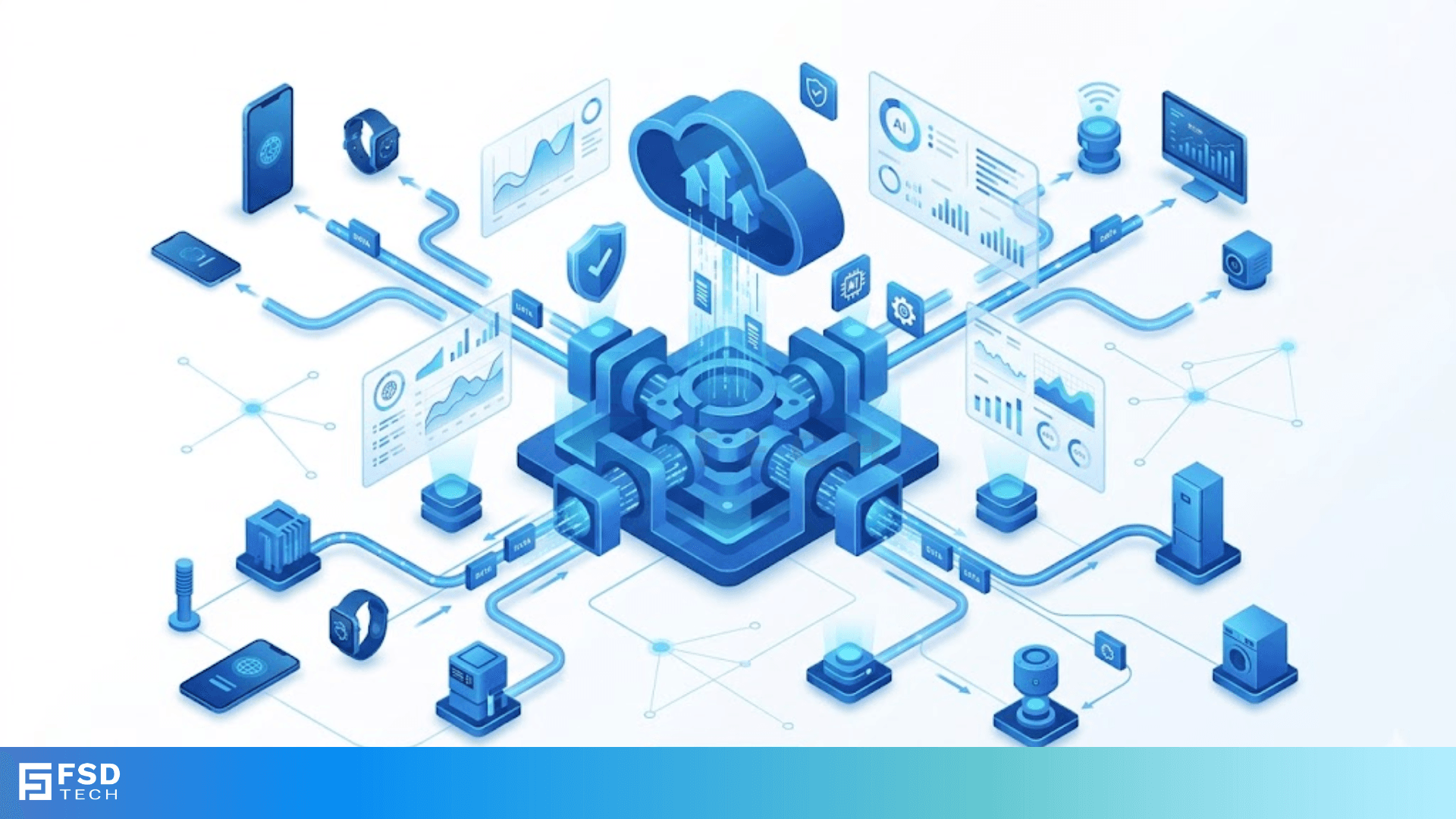
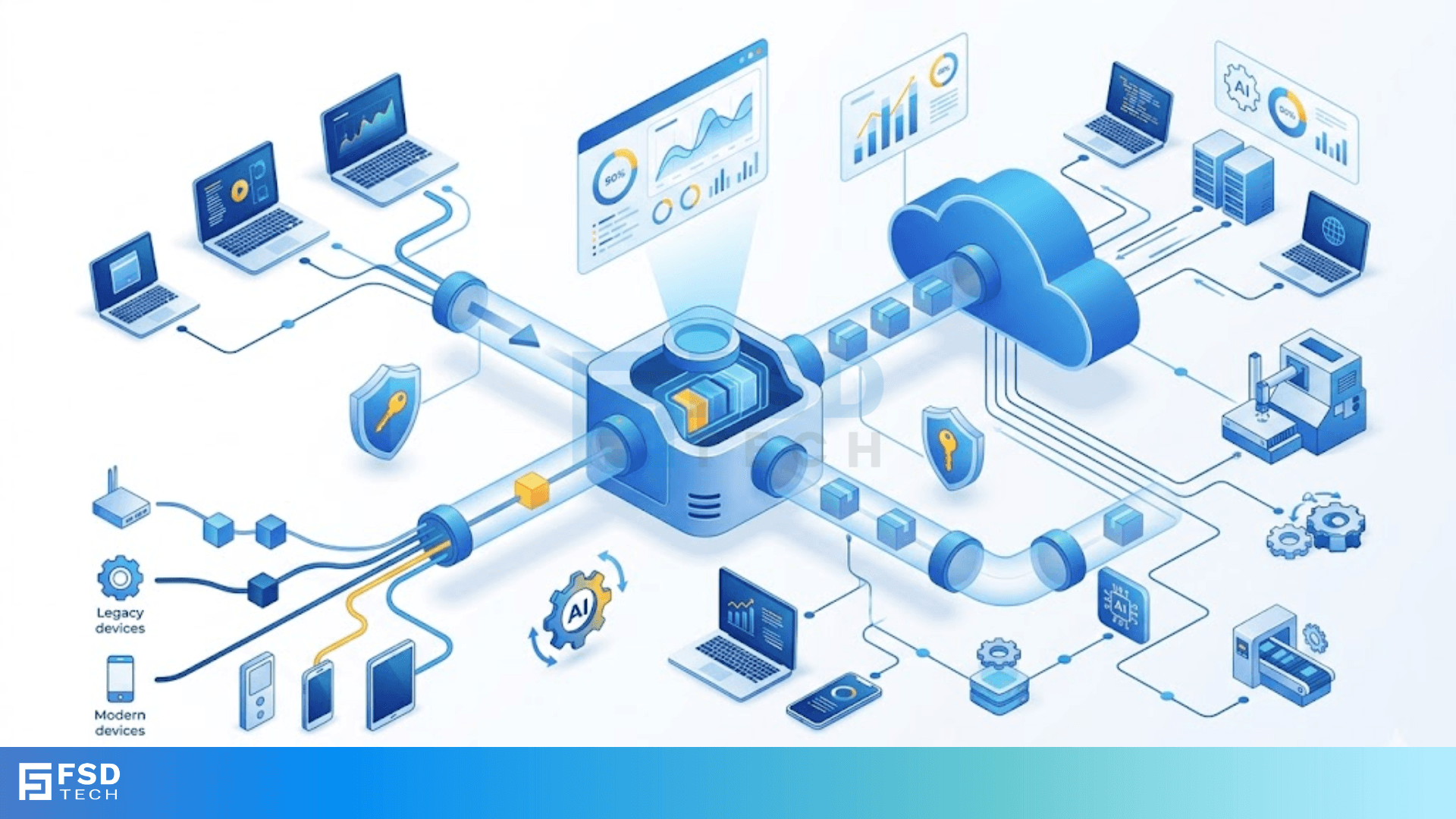
Gateway protocol translation is the "magic" that happens when two computer networks speak different languages but still need to share data. To be honest, we’ve all been there—trying to explain a complex idea to someone who just doesn't get your lingo. In the world of networking, this happens constantly. One system might use a specific set of rules (a protocol), while another follows a completely different manual. Without a translator, the data just sits there, stuck at the border.
Think about how a translator at the United Nations works. They listen to one language and speak another so everyone stays on the same page. A gateway does the exact same thing for bits and bytes. It sits at the edge of a network and converts data packets from one format to another. But how does it actually manage this without losing information? And why is it so vital for the internet we use every day?
We're going to pull back the curtain on how these digital translators function. You'll see why they are the unsung heroes of global connectivity.
At its core, gateway protocol translation refers to the process where a network device—the gateway—converts data from one protocol stack to another. Protocols are essentially the "grammars" of the tech world. If Network A uses TCP/IP and Network B uses an older system like IPX/SPX, they can't "talk" directly.
The gateway acts as an entry and exit point. When a packet arrives, the gateway strips away the old protocol's headers. It looks at the raw data, then wraps it in the headers required by the destination network. This isn't just a simple hand-off; it’s a full transformation of the data's "envelope."
A Gateway (GW) is more than just a router. While a router connects similar networks, a gateway connects entirely different systems. We often see them operating at the higher layers of the OSI model, specifically the Application Layer. This allows them to handle complex tasks like changing the actual format of a message, not just the address on the outside.
Here's the thing: protocol translation isn't a one-size-fits-all job. Depending on what networks are meeting, the gateway has to perform different levels of "translation."
1. Header Mapping and Conversion
Every piece of data sent over a network has a header. This header contains the "to" and "from" addresses, along with instructions on how to handle the data. In gateway protocol translation, the gateway must map the fields of one header to the corresponding fields of another.
For example, if you are moving data from an IPv4 network to an IPv6 network, the gateway uses a process called NAT64. It takes the 32-bit IPv4 address and translates it into a 128-bit IPv6 address so the destination can recognize it.
2. Payload Transformation
Sometimes, just changing the "envelope" isn't enough. The gateway might need to change the data inside (the payload). This happens often in industrial settings where a sensor might speak Modbus, but the control center needs the data in MQTT format. The gateway reads the sensor's value, reformats the message, and sends it along.
3. Maintaining State
In my experience, the hardest part for a gateway is keeping track of the conversation. This is called "stateful translation." The gateway has to remember which internal device asked for what information from the outside world. If it loses track, the reply from the outside won't know where to go once it gets translated back.
Also Read: Modem Modulation Roles: How Digital Data Travels
You might wonder, "Why don't we just make everyone use the same protocol?" In a perfect world, we would. But in reality, we have decades of "legacy" systems—older tech that still works perfectly but speaks an old language.
Bridging the Gap Between IPv4 and IPv6
The most common use of gateway protocol translation today involves the transition to IPv6. We ran out of old IPv4 addresses years ago. However, millions of devices still use them. Gateways allow these old devices to communicate with the new, shiny IPv6 internet without us having to throw away perfectly good hardware.
Connecting IoT to the Cloud
Internet of Things (IoT) devices are everywhere. Many use low-power protocols like Zigbee or Z-Wave. Your home Wi-Fi doesn't understand these. You need an IoT Gateway to translate those low-power signals into standard Wi-Fi or Ethernet protocols so you can control your lights from your phone.
Key Note: Without these gateways, the "Internet of Things" would just be a bunch of "Things" that can't talk to the "Internet."
We can categorize these digital translators based on where they work and what they do.
Application Level Gateways (ALG)
These are the smartest of the bunch. An ALG doesn't just look at addresses; it looks at the actual application data. For example, a VOIP gateway translates voice signals from a traditional phone line (PSTN) into digital packets for the internet. It has to understand the "meaning" of the data to ensure the call sounds clear.
Transport Level Gateways
These work lower down the chain. They connect two networks at the transport layer, often handling the "handshake" between systems. They ensure that even if the underlying rules change, the connection remains reliable and error-free.
Tunneling vs. Translation
Sometimes, instead of translating, we use "tunneling." Picture this: you put a whole IPv6 packet inside an IPv4 packet. It’s like putting a letter inside a bigger envelope. While useful, it’s not true translation. In gateway protocol translation, we are actually changing the data structure, which is often more efficient for the receiving device.
Also Read: What is VLAN ID Tagging? Guide to Network Segregation
To be honest, translation isn't always smooth. There are "lost in translation" moments in networking too.
Let’s look at a realistic case study. Imagine a large manufacturing plant. They have machines from the 1990s that use a serial protocol (RS-232). They want to monitor these machines using a modern web dashboard.
This is the power of a gateway. It breathes new life into old tech.
It’s easy to get these mixed up. Let’s clear the air with a simple breakdown.
| Feature | Bridge | Router | Gateway |
|---|---|---|---|
| OSI Layer | Data Link (Layer 2) | Network (Layer 3) | Application (Layer 4-7) |
| Function | Connects two LAN segments | Routes packets between networks | Translates between different protocols |
| Intelligence | Low (uses MAC addresses) | Medium (uses IP addresses) | High (understands data content) |
| Protocol | Must be the same | Usually the same (IP) | Can be completely different |
As we move toward 6G and more advanced AI integration, the role of the gateway will evolve. We're starting to see "Edge Computing," where the gateway doesn't just translate; it also processes data. Instead of sending everything to the cloud, the gateway makes decisions on the spot.
We believe that gateway protocol translation will become even more seamless. With software-defined networking (SDN), translation might happen in the "cloud" rather than in a physical box on your desk.
At the end of the day, our connected world relies on the ability to share information across any boundary. Gateway protocol translation is the bridge that makes this possible. Whether it's helping an old factory machine talk to the cloud or ensuring your phone can access an IPv6 website, these systems keep the data flowing.
At our company, we value the "invisible" tech that makes your life easier. We focus on building systems that are deep, consistent, and reliable. We're here to make sure your network never gets "lost in translation." Ready to upgrade your connectivity? Let’s talk about how we can streamline your network architecture today!
A router connects similar networks using the same protocol (like the internet). A gateway connects different networks that use different protocols. Think of a router as a traffic cop and a gateway as a language interpreter.
Technically, yes, because the device has to "think" to convert the data. However, modern gateway protocol translation is so fast that you usually won't notice the delay in normal browsing.
Yes! Most modern gateways include security features. Because they inspect the data during the translation process, they can easily spot and block "bad" data packets before they enter your network.
Most IoT devices use specialized, low-power languages. To talk to your smartphone or the cloud, that data must be translated into standard internet protocols by an IoT gateway.

Surbhi Suhane is an experienced digital marketing and content specialist with deep expertise in Getting Things Done (GTD) methodology and process automation. Adept at optimizing workflows and leveraging automation tools to enhance productivity and deliver impactful results in content creation and SEO optimization.
Share it with friends!


.webp&w=3840&q=75)
share your thoughts