.webp&w=3840&q=75)
How ClickUp Enables Outcome-Based Project Management (Not Just Task Tracking)
🕓 February 15, 2026
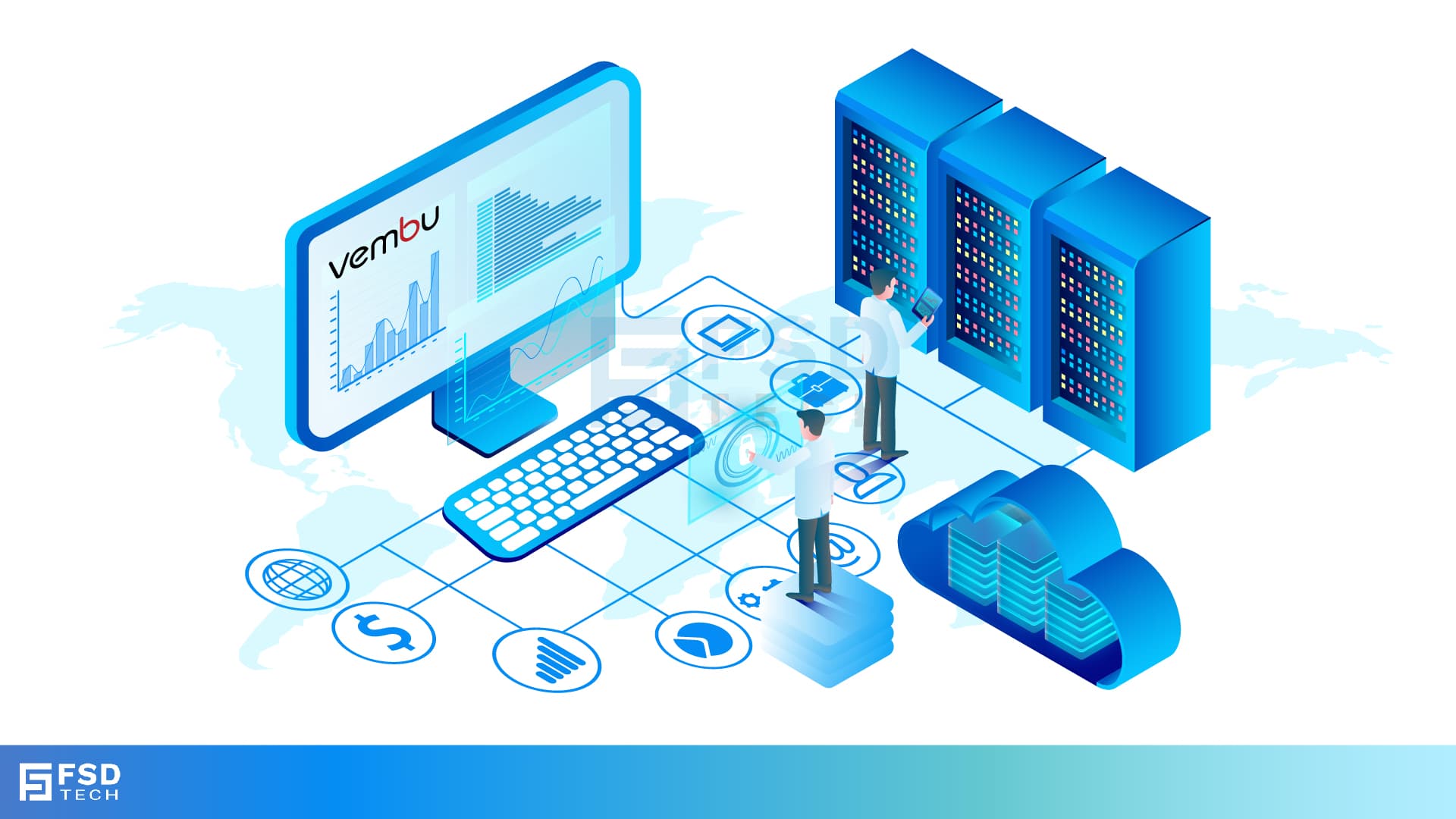
Selecting a data backup partner is not a decision to rush. The right partner does more than sell you software. They assess your environment, deploy and configure the solution correctly, test recovery procedures, and provide support when things go wrong. In the GCC, where digital infrastructure is growing rapidly and compliance requirements are evolving, choosing the right partner matters more than ever.
This blog outlines seven key criteria GCC businesses should use when evaluating a data backup partner in 2026.
Your IT environment probably includes a mix of physical servers, virtual machines, cloud instances, laptops, and SaaS applications. A backup partner should be able to protect all of them from a single platform.
Ask potential partners which workloads they support. A strong partner should cover endpoints (Windows, Linux, Mac), physical servers, virtual machines (VMware, Hyper-V, Proxmox, KVM), cloud VMs (AWS, Azure), SaaS apps (Microsoft 365, Google Workspace), and databases.
BDRShield by Vembu, which FSD-Tech deploys across the GCC, covers all of these workload types from one centralized console.
Recovery Time Objective (RTO) is how fast you can get systems back online. Recovery Point Objective (RPO) is how much data you can afford to lose, measured in time. Both should be defined for your most critical workloads before selecting a partner.
BDRShield targets an RTO and RPO of under 15 minutes. Your partner should be able to demonstrate recovery speed for your specific workload types, not just quote a number from a brochure.
FSD-Tech runs recovery tests as part of every deployment to validate that RTO and RPO targets are actually met in your environment.
Ransomware is one of the biggest threats to backup integrity. Attackers increasingly target backup systems to remove recovery options before demanding ransom. A good backup partner should deploy a platform with ransomware-resilient features.
These include immutable storage (backup data cannot be changed or deleted), air-gapped backups (copies isolated from the network), malware scanning before backup and before restore, anomaly detection, and the 3-2-1 backup rule.
BDRShield incorporates all of these features. FSD-Tech configures them as part of every GCC deployment.
GCC businesses have different storage preferences. Some prefer on-premise storage for fast local recovery. Others want cloud storage to reduce hardware costs. Most benefit from a hybrid approach.
Your backup partner should support the storage locations that work for your business, not lock you into a proprietary cloud. BDRShield supports local storage (DAS, NAS, SAN), BDRShield Cloud, and 15 or more public cloud providers including AWS S3, Azure Blob, Google Cloud, Wasabi, MinIO, and Backblaze.
Also Read: Hybrid Backup vs. Cloud-Only Backup: Which Is Right for GCC Enterprises
GCC businesses handling data from EU citizens, operating in healthcare, or serving clients with SOC 2 requirements need a backup platform that supports the relevant compliance controls.
Ask your potential partner which compliance frameworks their platform addresses and how their features map to specific requirements. BDRShield incorporates controls aligned with GDPR, HIPAA, SOC 2, SOX, ISO 27001, and FIPS 140-2.
Note that using a backup platform does not automatically make your organization compliant. Your legal and compliance teams should assess your specific obligations and verify that the controls in place are sufficient.
If you are evaluating a backup platform to deliver managed services to clients, multi-tenancy is non-negotiable. You need a platform that can manage multiple clients securely from one console, with client data properly segregated.
Additional MSP requirements include white-labeling, flexible per-workload pricing, no minimum commitments or vendor lock-ins, PSA and RMM integration, and a partner portal for billing and license management.
BDRShield provides all of these features. There are no monthly minimums, no long-term contracts, and no vendor lock-ins.
Software alone is not enough. A backup partner should understand the GCC market, including local compliance considerations, connectivity conditions, and the specific workloads common in your industry.
They should also provide responsive support. Check whether the partner offers local support, what their response time commitments are, and whether you have a named contact for your account.
FSD-Tech combines local GCC expertise with Vembu's 24/7 expert technical support, giving businesses both regional knowledge and global backing.
Also Read: BDRShield for MSPs in the GCC: How to Grow Your Managed Backup Business Without Vendor Lock-In
Use this checklist when evaluating backup partners for your GCC business:
FSD-Tech is an authorized BDRShield partner serving businesses across UAE, Saudi Arabia, Qatar, Kuwait, Bahrain, and Oman. BDRShield covers every workload category, supports hybrid and cloud storage, provides ransomware-resilient protection, and incorporates compliance-aligned security controls. FSD-Tech brings local expertise, a structured deployment process, and ongoing support to every engagement.
Key criteria include workload coverage, RTO and RPO targets, ransomware defense features, storage flexibility, compliance support, and local expertise. For MSPs, multi-tenancy and flexible licensing are also important.
RTO (Recovery Time Objective) is how quickly systems need to be back online after a failure. RPO (Recovery Point Objective) is how much data can be lost, measured in time since the last backup. Both should be defined for critical workloads before selecting a backup solution.
No. According to Vembu, BDRShield offers no monthly minimums, no long-term contracts, and no vendor lock-ins. MSPs and businesses can scale usage up or down based on their needs.
Yes. FSD-Tech serves businesses across UAE, Saudi Arabia, Qatar, Kuwait, Bahrain, and Oman.
Choosing a backup partner is a long-term decision. The right partner will be there when hardware fails, ransomware hits, or a compliance audit arrives. The wrong choice can leave your business exposed even when backups appear to be running.
Use the seven criteria in this guide to evaluate your options carefully. FSD-Tech and BDRShield by Vembu are designed to meet every one of them for businesses across the GCC.
Talk to FSD-Tech about your backup needs in the GCC. Get a free assessment and see how BDRShield can protect your business.

Surbhi Suhane is an experienced digital marketing and content specialist with deep expertise in Getting Things Done (GTD) methodology and process automation. Adept at optimizing workflows and leveraging automation tools to enhance productivity and deliver impactful results in content creation and SEO optimization.
Share it with friends!


.webp&w=3840&q=75)
share your thoughts