HomeManaged ServicesNext Gen IT-InfraMonitoring & ManagementCyber SecurityBCP / DRAutomation
Managed Services
msp-dubai-accounting-firms-managed-it

Why accounting firms in Dubai need an MSP before they think they do?

🕓 April 24, 2026

How FSD-Tech Deploys Xcitium Managed Security in the GCC

How FSD-Tech Deploys Xcitium Managed Security in the GCC

🕓 May 11, 2026

Cloud Security for GCC Enterprises

Cloud Security for GCC Enterprises: How Xcitium's CNAPP Protects Cloud Investment in 2026

🕓 May 14, 2026

Next Gen IT-Infra
Cato’s SASE Supports Cybersecurity Skills Development

How Cato’s SASE Supports Cybersecurity Skills Development

🕓 April 8, 2025

How SASE Supports the Security Needs of SMBs

How SASE Supports the Security Needs of SMBs

🕓 February 9, 2025

Attack Surface Reduction with Cato’s SASE

Attack Surface Reduction with Cato’s SASE

🕓 February 10, 2025

SASE for Digital Transformation in UAE

SASE for Digital Transformation in UAE

🕓 February 8, 2025

Monitoring & Management
Cost-Performance Ratio: Finding the Right Balance in IT Management Networks

Cost-Performance Ratio: Finding the Right Balance in IT Management Networks

🕓 June 16, 2025

Atera’s Communication Tools

Atera’s Communication Tools: Boosting IT Team Productivity in the UAE

🕓 February 8, 2025

Emerging Trends in IT Management

Emerging Trends in IT Management

🕓 February 10, 2025

Atera Disaster Recovery

Atera Disaster Recovery: Top Strategies for UAE IT Teams

🕓 February 9, 2025

Cyber Security
Illustration of the Cato Cloud architecture showing its role in delivering SASE for secure, optimized global connectivity.

Understanding the Cato Cloud and Its Role in SASE

🕓 January 29, 2025

Isometric illustration of professionals managing network performance, bandwidth analytics, and cloud-based optimization around the Cato Networks platform, symbolizing bandwidth control and QoS visibility.

Mastering Bandwidth Control and QoS in Cato Networks

🕓 July 26, 2025

Global network backbone powering Cato SASE solution for secure, high-performance connectivity across regions.

Global Backbone: The Engine Powering Cato’s SASE Solution

🕓 January 30, 2025

Illustration of team analyzing application traffic and usage insights on a large laptop screen using Cato’s dashboard, surrounded by network and cloud icons.

Cato Networks Application Visibility | Monitoring & Control

🕓 July 27, 2025

BCP / DR
Illustration showing diverse business and IT professionals collaborating with cloud, backup, and security icons, representing Vembu use cases for SMBs, MSPs, and IT teams.

Who Uses Vembu? Real-World Use Cases for SMBs, MSPs & IT Teams

🕓 July 12, 2025

Graphic showcasing Vembu’s all-in-one backup and disaster recovery platform with icons for cloud, data protection, and business continuity for IT teams and SMBs.

What Is Vembu? A Deep Dive Into the All in One Backup & Disaster Recovery Platform

🕓 July 6, 2025

Illustration showing Vembu backup and disaster recovery system with cloud storage, server racks, analytics dashboard, and IT professionals managing data.

The Rising Cost of Data Loss: Why Backup Is No Longer Optional?

🕓 August 14, 2025

3D isometric illustration of cloud backup and data recovery infrastructure with laptop, data center stack, and digital business icons — FSD Tech

RPO & RTO: The Heart of Business Continuity

🕓 August 15, 2025

Automation
Cross-Functional Collaboration with ClickUp

Fostering Cross-Functional Collaboration with ClickUp for Multi-Departmental Projects

🕓 February 11, 2025

ClickUp Project Reporting

Revolutionizing Enterprise Reporting with ClickUp’s Advanced Analytics and Dashboards

🕓 June 16, 2025

ClickUp’s Design Collaboration and Asset Management Tools

Empowering Creative Teams with ClickUp’s Design Collaboration and Asset Management Tools

🕓 February 26, 2025

ClickUp Communication and Collaboration Tools

ClickUp Communication and Collaboration Tools: Empowering Remote Teams

🕓 March 12, 2025

    Subscribe to our newsletter!

    About Us

    Follow Us

    Copyright © 2024 | Powered by 

    Atera

    (60)

    Cato Networks

    (131)

    ClickUp

    (78)

    FishOS

    (7)

    Miradore

    (21)

    PointGuard AI

    (9)

    Vembu

    (28)

    Xcitium

    (37)

    ZETA HRMS

    (79)

    Table of Contents

    Atera IT Documentation Guide: Knowledge Base, Customer Portal & IT Glue

    Anas Abdu Rauf
    June 29, 2025
    Comments
    Atera IT Documentation

    What documentation tools does Atera include?

    Atera includes a built-in knowledge base for storing and sharing IT articles with end users and technicians, a customizable customer portal where end users can access knowledge base content and submit tickets, and an integration with IT Glue for extended IT documentation management. AI Copilot (an add-on) can generate knowledge base articles automatically from resolved tickets.

    Why IT Documentation Gets Neglected

    Documentation is one of the most consistently under-resourced areas in IT. The work itself is time-sensitive — a ticket comes in, the technician resolves it, and moves on to the next one. Writing up what was done gets skipped. The next time the same issue appears, the team starts from scratch.


    This creates a compounding problem. Repeated issues take repeated effort. New technicians take longer to get productive. End users call the helpdesk for things they could resolve themselves if the right guide existed.


    Atera's documentation tools are designed to reduce this friction. This guide covers what those tools actually do, how they work, what their limitations are, and how IT Glue extends what Atera includes natively. All information is drawn directly from Atera's official platform pages and support documentation.


    Explore Atera Today

    What Atera Includes for IT Documentation

    Atera's documentation capabilities fall into three areas:


    1. Knowledge Base — A structured article library for internal technicians and end users
    2. Customer Portal / Service Portal — The interface through which end users access the knowledge base and submit tickets
    3. IT Glue Integration — A dedicated third-party IT documentation platform that integrates with Atera


    Each serves a different purpose. Here is how they work.

    1. Atera's Built-In Knowledge Base

    What it is: The knowledge base is a structured library of articles accessible to technicians and, optionally, to end users through the customer or service portal.


    According to Atera's support documentation, the knowledge base is organized into three levels:


    • Categories — the top level (for example: FAQs, Network Setup, Security)
    • Sections — subdivisions within categories (for example: Printer FAQs, VPN Setup)
    • Articles — the individual content items within sections (for example: Setting up a printer in Windows 11)

    What can be stored in the knowledge base

    Atera's IT documentation feature page describes the knowledge base as a place to store:


    • Instructional articles and how-to guides
    • Get-started guides for new users
    • Help for common friction points (password resets, software installs, connectivity issues)
    • IT best practices
    • Client-specific instructions for MSPs

    Internal vs. external articles

    Articles can be set to one of two visibility levels:


    • Published (visible to all customers or users) — accessible to end users through their portal
    • Internal use only — visible only to technicians within the Atera platform


    This means sensitive internal processes, configurations, or escalation procedures can be documented in the same system without being exposed to end users.

    Article priority and status

    Each article can be assigned a priority (Low, Medium, or High) and a status (Active, Draft, or Outdated). Articles appear in order based on priority. The Outdated status allows teams to flag content that needs reviewing, though this is set manually — there is no automated system in Atera that scans and prompts updates on a schedule.

    Article helpfulness ratings

    End users can rate the helpfulness of knowledge base articles from within the portal. This feedback helps IT teams identify articles that are confusing, incomplete, or no longer accurate, making it easier to prioritize content improvements over time.

    Customer-specific and site-specific access

    For MSPs managing multiple clients, knowledge base categories can be restricted to specific customers. This means client A only sees articles relevant to their environment, and client B sees their own set. The same feature applies to IT departments using Atera's Service Portal — categories can be restricted to specific sites.

    Searching the knowledge base

    Both technicians and end users can search the knowledge base by article name or keyword. To search by keyword, users enter a "#" symbol before the keyword. This is documented in Atera's knowledge base setup support article and is worth communicating to end users during onboarding.


    Also Read: Account Intelligence in Atera: Offline Devices, Trends & Discovery

    2. Creating Knowledge Base Articles

    Manually

    Articles can be written directly in Atera's knowledge base editor. Technicians write the title, content, assign a category and section, set a priority and status, and publish.

    Using AI Copilot (Article Generation from Tickets)

    AI Copilot (available as an add-on) can generate a knowledge base article directly from a resolved ticket. After a ticket is closed, the technician clicks to generate an article. AI Copilot drafts the content automatically based on the ticket conversation and resolution.


    This is the most efficient way to build a knowledge base over time. Every resolved ticket becomes a potential article with minimal effort from the technician.


    According to Atera's documentation, this feature is available from two places:


    • Directly from the ticket after resolution
    • From the Knowledge Base page in Admin


    AI Copilot is an add-on, not included in Atera's base subscription. A 14-day free trial is available. Contact Atera or your local partner for current pricing.

    Using the Shared Script Library

    For automation-related documentation, Atera's Shared Script Library serves as a complementary resource. Technicians can clone pre-built scripts from the library and reference them in knowledge base articles, linking documentation to actionable steps.

    3. The Customer Portal and Service Portal

    What it is: The customer portal (for MSP clients) and service portal (for IT department end users) are web-based hubs where end users interact with the IT team and access the knowledge base.


    According to Atera's support documentation, the portal allows end users to:


    • Submit support tickets
    • Track the status of existing tickets
    • Respond to tickets and attach files
    • Access knowledge base articles (when enabled by the admin)

    Important: Knowledge Base is not enabled by default

    Per Atera's Portal FAQ: "Not by default. Admins must publish knowledge articles and grant customer visibility for them to appear." Admins must explicitly enable knowledge base access for each customer or site and choose which categories to make visible.


    This is a practical setup step that is easy to overlook when first configuring the portal.

    Portal customization options

    The portal can be customized in the following ways, confirmed from Atera's support documentation:


    • Custom subdomain: Admins can create a CNAME record pointing to servicedesk.atera.com to give the portal a branded URL (for example: helpdesk.yourcompanyname.com)
    • Personalized welcome email: Automatically sent to new contacts when portal credentials are created
    • Ticket visibility settings: Admins control which tickets each user can see — all company tickets or only their own
    • Custom fields: Admins can configure which ticket fields are editable, visible, or mandatory in the portal
    • Language: The portal supports English, French, German, Spanish, and Italian. Users select their preferred language after logging in


    Note on branding: Native portal branding (custom logos, colors) is not currently supported, per Atera's Portal FAQ. Custom domain SSL requires the SuperPower (Enterprise) plan for MSPs.

    Remote access from the portal

    End users can start a remote session from within the portal using Splashtop (Work From Home feature). The device must be powered on and online. Sessions are one-to-one — concurrent access to the same device is not supported.

    Self-service actions in the portal

    End users can perform self-service actions such as software installation from within the portal. However, this capability is part of the Robin/Autopilot add-on, not a standard base plan feature. All Autopilot settings, including self-service actions, are managed through the AI Center.


    Important: Self-service portal actions (software installs, device actions) require the Robin/Autopilot add-on. They are not available in base Atera plans.


    Also Read: Granular Permissions & Splashtop Policy Controls: How Atera Secures Remote Access at Scale

    4. IT Glue Integration: Extended IT Documentation for MSPs

    What it is: IT Glue is a dedicated IT documentation platform that integrates directly with Atera. It is the primary third-party documentation integration listed on Atera's features page.


    For MSPs that need a more structured, dedicated documentation environment — covering network configurations, passwords, hardware details, procedures, and asset records — IT Glue provides that layer alongside Atera.

    How the integration works

    IT Glue integrates directly with Atera. Data from Atera automatically updates in IT Glue every hour, so stored information stays current. IT Glue's search technology lets technicians find specific records across thousands of entries instantly, with the ability to filter searches by organization.


    From Atera's features page: "Streamline your clients' information assets with IT Glue. Find, track, and know everything you need to know about your clients' IT documentation with absolute efficiency."

    When to use IT Glue alongside Atera

    Atera's built-in knowledge base is well-suited for:


    • End-user-facing how-to guides and FAQs
    • Internal technician articles and procedures
    • Ticket-to-article documentation using AI Copilot


    IT Glue is better suited for:


    • Comprehensive asset and configuration documentation (network diagrams, device records, passwords)
    • Client-specific infrastructure documentation across multiple MSP clients
    • Organizations that need a dedicated documentation platform with advanced organization, search, and version history


    IT Glue requires its own subscription (separate from Atera) and is available through the Atera App Center.

    Documentation Structure: How Atera's Features Connect

    FeatureWhat It DoesWho Accesses ItNotes
    Knowledge Base (built-in)Stores IT articles for technicians and end usersTechnicians + end users via portalMust be enabled and configured by admin
    Internal articlesTechnician-only documentationTechnicians onlyChecked via "Internal use only" setting
    AI article generationCreates articles automatically from resolved ticketsTechniciansAI Copilot add-on required
    Article helpfulness ratingEnd users rate article usefulnessEnd usersHelps identify content that needs updating
    Customer PortalEnd-user interface for tickets and KB accessMSP clientsCustom domain supported; branding not native
    Service PortalSame as Customer Portal for IT departmentsInternal end usersCustom domain SSL: Enterprise plan only
    IT Glue integrationExtended documentation managementMSPs and IT teamsRequires separate IT Glue subscription
    Robin/Autopilot self-serviceEnd users resolve issues independently via portalEnd usersRobin add-on required


    Also Read: Operational Reports in Atera: Getting Answers Without Digging Through Tickets

    Best Practices for IT Documentation with Atera

    These practices are based on how Atera's documentation tools are designed to work, as confirmed in Atera's support documentation and feature pages.

    1. Enable the Knowledge Base Before You Launch the Portal

    The knowledge base is not visible to end users by default. Enable it in Admin settings, create your initial categories and sections, publish at least a few articles, and grant customer visibility before you send portal credentials to end users. Starting with an empty or hidden knowledge base reduces its value immediately.

    2. Build the Knowledge Base Through Ticket Resolutions

    The most sustainable way to build a knowledge base is to generate articles from tickets as you go. After every resolved ticket, use AI Copilot to generate a draft article. Review and publish it. Over time, the knowledge base builds itself through normal work rather than requiring separate documentation sessions.

    3. Use Internal Articles for Sensitive Processes

    Not everything should be visible to end users. Use the "Internal use only" setting for escalation procedures, admin credentials, network configurations, and anything that should stay within the IT team. The same knowledge base structure supports both audiences.

    4. Restrict Article Access by Customer or Site

    For MSPs, limit customer visibility to articles relevant to each client. A customer should not see articles written for a different client's environment. Use category-level customer restrictions to keep content organized and appropriate for each audience.

    5. Monitor Article Helpfulness Ratings

    End users can rate knowledge base articles. Review those ratings regularly. An article consistently rated as unhelpful needs rewriting or updating. This feedback loop is the primary signal in Atera for identifying which documentation needs attention.

    6. Use IT Glue for Asset and Infrastructure Documentation

    Atera's built-in knowledge base handles procedural documentation well. For detailed asset records, network configurations, passwords, and infrastructure documentation, IT Glue provides a more structured environment and syncs with Atera automatically every hour.

    7. Communicate How to Search

    End users may not know that keyword search in Atera's knowledge base requires a "#" prefix before the keyword. Include this in your portal welcome email or onboarding instructions to help users find content independently.

    Key Takeaways

    • Atera's knowledge base organizes content into Categories, Sections, and Articles. It is accessible to technicians internally and to end users through the customer or service portal.
    • Knowledge base access is not enabled by default. Admins must publish articles and explicitly grant customer or user visibility.
    • AI Copilot can generate knowledge base articles directly from resolved tickets. This is the most efficient way to build a knowledge base over time. AI Copilot is an add-on, not included in base plans.
    • End users can rate article helpfulness from within the portal, providing a feedback signal for content quality.
    • Articles can be restricted by customer (for MSPs) or by site (for IT departments), ensuring each audience only sees relevant content.
    • Native portal branding is not currently supported. Custom domain SSL requires the SuperPower plan for MSPs and Enterprise plan for IT departments.
    • Self-service actions in the portal (software installs, device actions) require the Robin/Autopilot add-on.
    • IT Glue integrates with Atera and automatically updates data from Atera every hour. It is recommended for MSPs needing a comprehensive, dedicated documentation environment.

    Frequently Asked Questions

    Does Atera have a built-in knowledge base?

    Yes. Atera includes a built-in knowledge base organized into Categories, Sections, and Articles. Technicians can access it within the platform, and end users can access it through the customer or service portal. It is not enabled for end users by default — admins must publish content and grant visibility.


    Can Atera automatically generate knowledge base articles?

    Yes, with AI Copilot (an add-on). After a ticket is resolved, technicians can use AI Copilot to generate a draft knowledge base article from the ticket conversation and resolution. The technician reviews, edits if needed, and publishes it.


    What is the difference between Atera's knowledge base and IT Glue?

    Atera's knowledge base is best suited for end-user-facing guides, FAQs, and internal technician procedures. IT Glue is a dedicated documentation platform for storing asset records, network configurations, passwords, and comprehensive client IT documentation. They serve different but complementary purposes, and IT Glue syncs with Atera automatically every hour.


    Can end users resolve IT issues through the portal without contacting the helpdesk?

    To a limited extent, yes. End users can search and access knowledge base articles for self-service support. For more advanced self-service actions (such as software installation), the Robin/Autopilot add-on is required.


    Can the customer portal be branded with a company logo?

    Native portal branding is not currently supported in Atera, per the Portal FAQ. A custom subdomain (via CNAME to servicedesk.atera.com) is available. Custom domain SSL requires the SuperPower plan for MSPs.


    Can different customers see different knowledge base content?

    Yes. Knowledge base categories can be restricted to specific customers (for MSPs) or specific sites (for IT departments). All articles and sections within a restricted category are only visible to the designated users.


    Is AI Copilot included in all Atera plans?

    No. AI Copilot is an add-on, not included in Atera's base subscription. A 14-day free trial is available. Contact Atera or your local partner for current pricing and plan inclusions.

    Conclusion

    Good IT documentation does not happen all at once. It builds gradually — one resolved ticket, one published article, one end user who finds the answer without calling the helpdesk.


    Atera gives IT teams the structure to make that happen. The knowledge base keeps content organized. AI Copilot turns resolved tickets into articles automatically. The customer portal puts that content in front of end users. IT Glue handles the deeper layer of asset and infrastructure documentation for teams that need it.


    The most important step is getting started. Enable the knowledge base, create your first few categories, and build from there.


    For IT teams and MSPs in the GCC region, FSD-Tech is a certified Atera partner that deploys and supports the platform locally.


    Talk to our Atera Specialist

    Atera IT Documentation Guide: Knowledge Base, Customer Portal & IT Glue

    About The Author

    Anas Abdu Rauf

    Anas is an Expert in Network and Security Infrastructure, With over seven years of industry experience, holding certifications Including CCIE- Enterprise, PCNSE, Cato SASE Expert, and Atera Certified Master. Anas provides his valuable insights and expertise to readers.

    TRY OUR PRODUCTS

    Like This Story?

    Share it with friends!

    Subscribe to our newsletter!

    FishOSCato SASEVembuXcitiumZeta HRMSAtera
    Isometric illustration of a centralized performance platform connected to analytics dashboards and team members, representing goal alignment, measurable outcomes, risk visibility, and strategic project tracking within ClickUp.

    How ClickUp Enables Outcome-Based Project Management (Not Just Task Tracking)

    🕓 February 15, 2026
    Isometric illustration of a centralized executive dashboard platform connected to analytics panels, performance charts, security indicators, and strategic milestones, representing real-time business visibility and decision control within ClickUp.

    Executive Visibility in ClickUp – How CXOs Gain Real-Time Control Without Micromanaging

    🕓 February 13, 2026

    Cato SASE Architecture

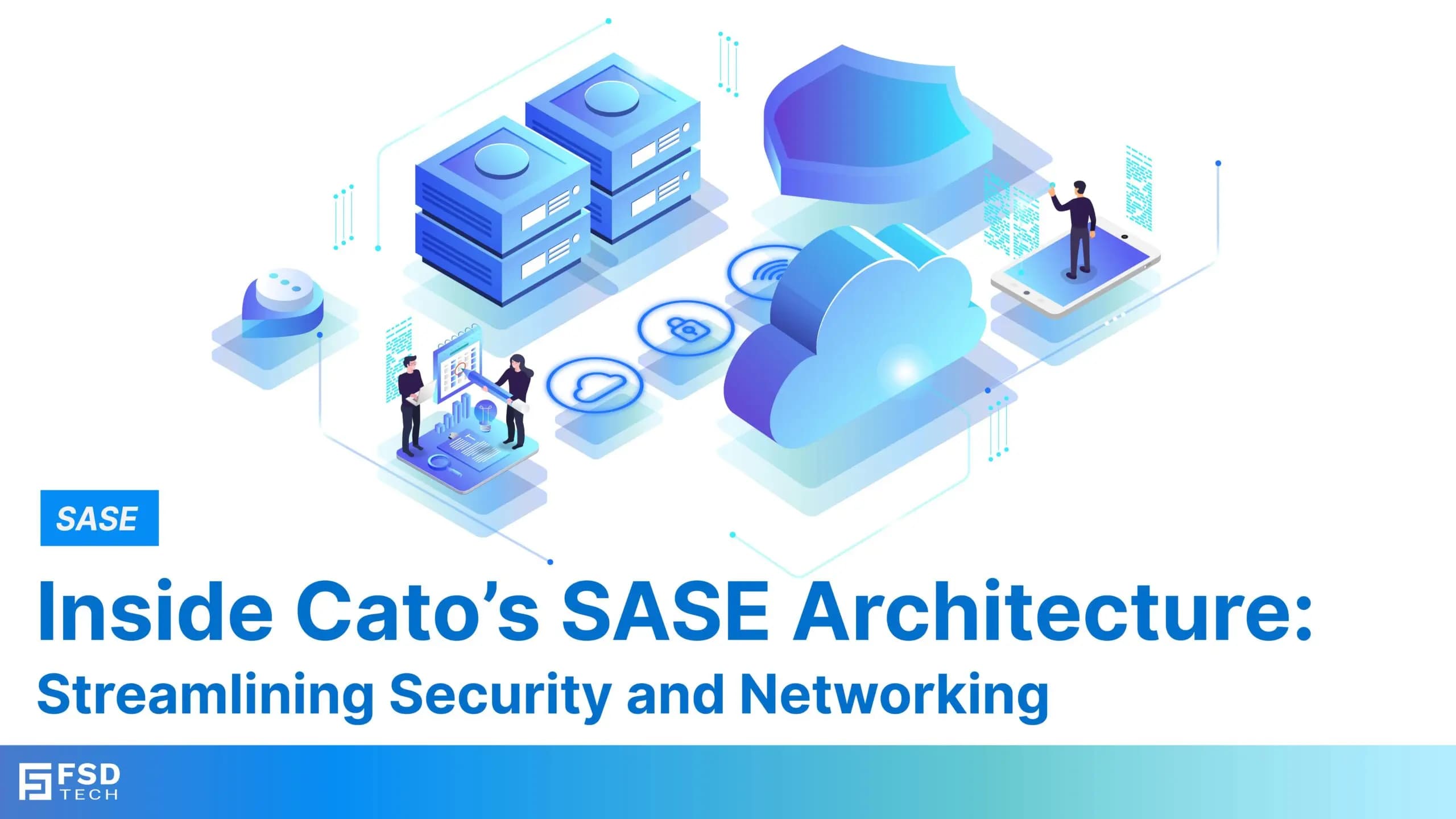
    Inside Cato’s SASE Architecture: A Blueprint for Modern Security

    🕓 January 26, 2025

    Workflow Automation(8)

    Workforce Automation(1)

    AI Project Management(1)

    HR Data Automation(1)

    RMM(2)

    Firewall Security(1)

    IT Workflow Automation(1)

    IT security(2)

    GCC compliance(4)

    Payroll Integration(2)

    IT support automation(3)

    procurement automation(1)

    lost device management(1)

    IT Management(5)

    IoT Security(3)

    Cato XOps(1)

    IT compliance(5)

    Task Automation(1)

    Workflow Management(1)

    Kubernetes lifecycle management(2)

    OpenStack automation(1)

    AI-powered cloud ops(1)

    SMB Security(8)

    Data Security(1)

    MDR (Managed Detection & Response)(3)

    MSP Automation(3)

    Atera Integrations(2)

    Threat Detection & Response(1)

    XDR Security(2)

    Ransomware Defense(3)

    SMB Cyber Protection(1)

    HR Tech Solutions(1)

    Zero Trust Network Access(3)

    Quantum Threat UAE & GCC(1)

    Quantum Security(1)

    Post-Quantum Cryptography(1)

    Cloud IDE Security(1)

    Zero Trust Security(2)

    Endpoint Management(1)

    SaaS Security(2)

    Payroll Automation(5)

    IT Monitoring(2)

    Xcitium EDR SOC(15)

    Ransomware Protection GCC(1)

    M&A IT Integration(1)

    Network Consolidation UAE(1)

    MSSP for SMBs(1)

    SMB Cybersecurity GCC(1)

    Antivirus vs EDR(1)

    FSD-Tech MSSP(25)

    Ransomware Protection(3)

    Managed EDR FSD-Tech(1)

    Endpoint Security(1)

    Cybersecurity GCC(16)

    Data Breach Costs(1)

    Endpoint Protection(1)

    SMB Cybersecurity(8)

    Managed Security Services(2)

    Zero Dwell Containment(31)

    Xcitium EDR(30)

    Hybrid Backup(1)

    Cloud Backup(1)

    Backup & Recovery(1)

    pointguard ai(4)

    vembu(9)

    disaster recovery myths(1)

    backup myths(1)

    SMB data protection(9)

    Disaster Recovery(4)

    Vembu BDR Suite(19)

    DataProtection(1)

    GCCBusiness(1)

    Unified Network Management(1)

    GCC IT Solutions(1)

    Secure Access Service Edge(4)

    GCC HR software(20)

    open banking(1)

    financial cybersecurity(2)

    CC compliance(1)

    Miradore EMM(15)

    Government Security(1)

    Cato SASE(9)

    Cloud Security(9)

    Hybrid Learning(1)

    GCC Education(1)

    Talent Development(1)

    AI Cybersecurity(13)

    AI Compliance(2)

    AI Risk Management(1)

    AI Governance(4)

    AI Security(2)

    Secure Remote Access(1)

    GCC business security(1)

    GCC network integration(1)

    compliance automation(5)

    education security(1)

    GCC cybersecurity(3)

    Miradore EMM Premium+(5)

    App management UAE(1)

    BYOD security Dubai(8)

    share your thoughts

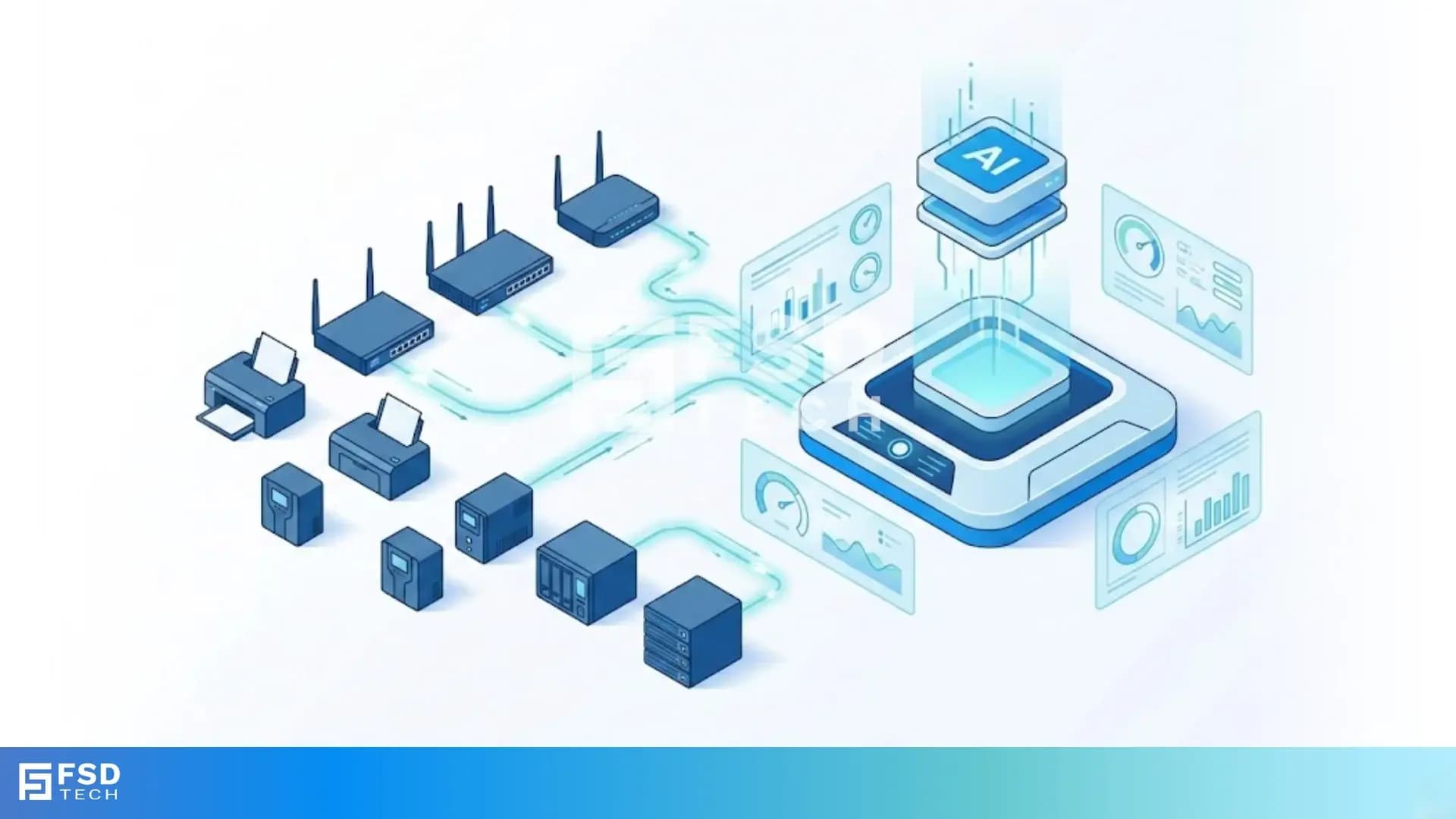
    Isometric illustration showing network infrastructure devices like routers, switches, printers, and servers connected to an AI-powered monitoring platform, representing SNMP-based infrastructure visibility and data analysis.

    Seeing Beyond Endpoints: How Atera SNMP Monitoring Extends Visibility Across Network Infrastructure

    🕓 March 25, 2026

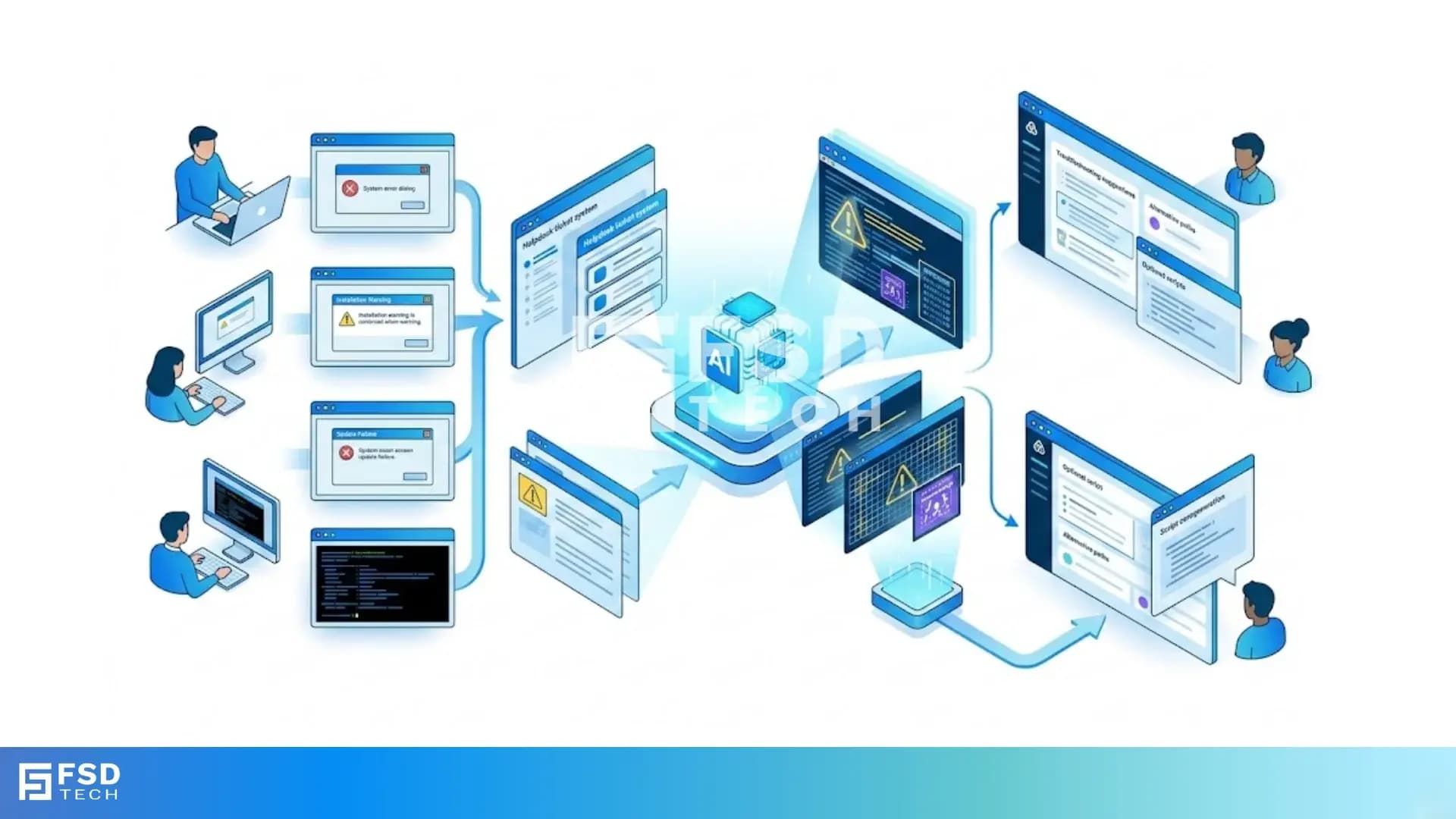
    Isometric diagram illustrating Atera AI Copilot analyzing screenshots, system errors, and warning messages to assist IT teams with faster troubleshooting, root cause analysis, and remediation guidance.

    When a Screenshot Explains More Than a Ticket: How Atera AI Copilot Image Analysis Supports Faster Troubleshooting

    🕓 March 22, 2026

    hIsometric diagram illustrating Atera AI Copilot supporting persistent AI conversations and multi-chat workflows, helping IT teams analyze infrastructure data, maintain troubleshooting context, and manage multiple technical investigations simultaneously.

    Conversations That Continue: How Atera AI Copilot Multi-Chat Improves IT Troubleshooting Context

    🕓 March 20, 2026

    Managed Services(3)

    Decoded(247)

    Cyber Security(129)

    BCP / DR(28)

    Zeta HRMS(78)

    SASE(21)

    Automation(80)

    Next Gen IT-Infra(128)

    Monitoring & Management(81)

    ITSM(22)

    HRMS(21)

    Automation(24)