.webp&w=3840&q=75)
How ClickUp Enables Outcome-Based Project Management (Not Just Task Tracking)
🕓 February 15, 2026
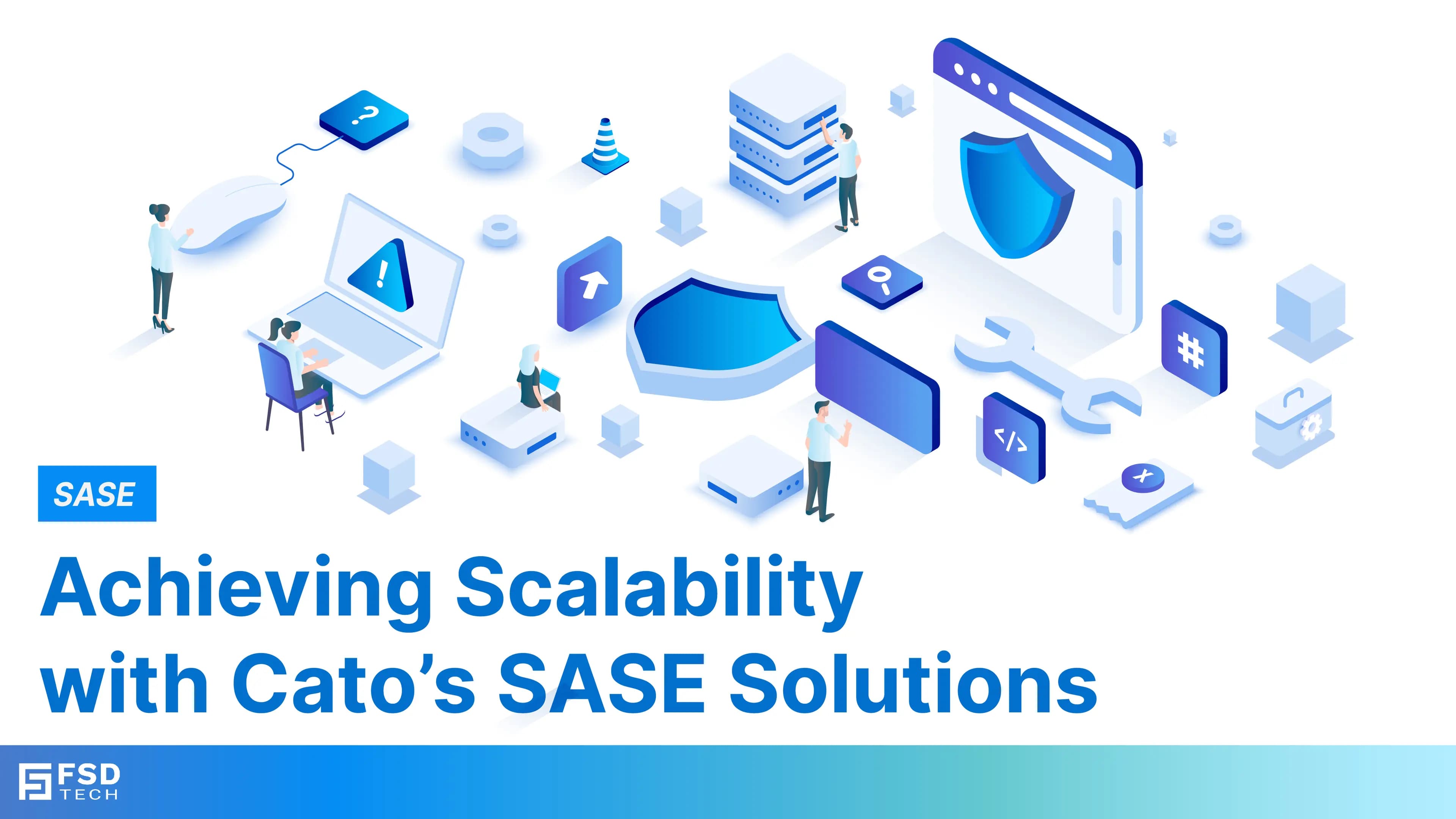
Do you want your business to grow without limits? You probably notice that as you add more people and tools, your network gets slower. Many leaders worry about security gaps when they open new offices. You might feel that your current tech cannot keep up. There is a way to fix these problems and keep your data safe at the same time.
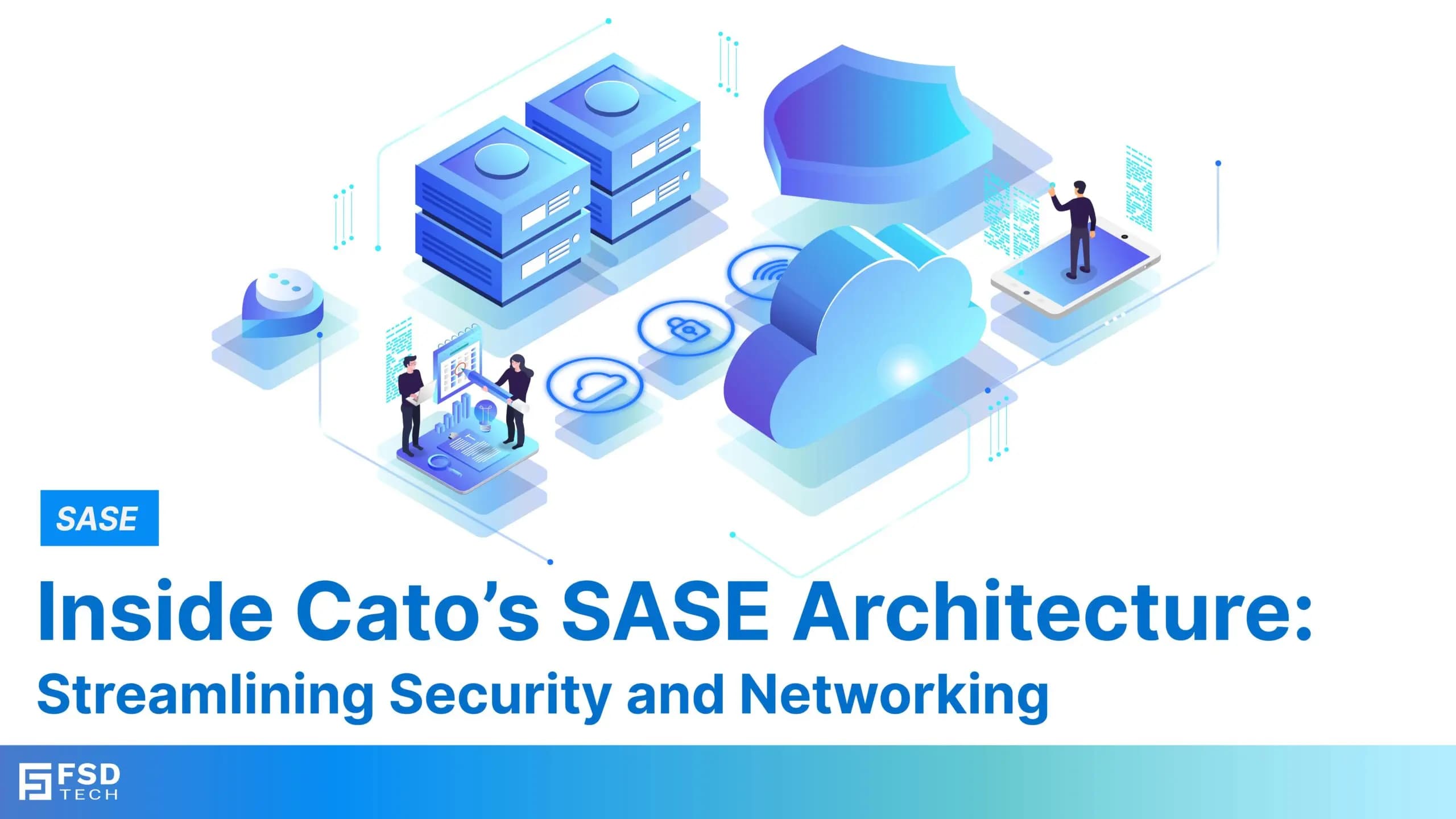
Cato SASE provides a new way to connect your entire team. It combines your network and your security into one simple tool.
Cato SASE helps you stay ahead of your rivals. When your business gets bigger, you need a network that grows too. If your system is weak, you will face slow speeds and high costs.
Cato SASE stops these issues before they start. You can add new staff or offices without any trouble. Do you want to avoid big bills for new gear? Most businesses do. Scalability means you only pay for the parts you need right now.
Adapting to Business Growth
As businesses grow, they add new employees, offices, and digital assets. A scalable network infrastructure allows companies to expand without major disruptions or costly infrastructure upgrades, ensuring a consistent user experience.
Managing Increased Network Traffic
Expanding operations often result in increased network traffic, which can lead to congestion and slow response times. Scalability in network design ensures that performance remains consistent, even as the volume of data and connected devices grows.
Cost-Effective Expansion
Investing in a scalable solution like Cato’s SASE allows businesses to avoid costly, frequent hardware upgrades. Cloud-native scalability provides flexibility, allowing organizations to pay only for the resources they use.
Cato Networks’ SASE solution provides a flexible, scalable platform that adapts to changing network demands, supporting businesses at every stage of growth.
Cloud-Native Architecture
Cato’s SASE is built on a cloud-native architecture, enabling it to scale quickly and cost-effectively. Unlike traditional networks that require physical infrastructure expansion, Cato’s cloud-based model easily accommodates additional users and data, providing limitless scalability.
Global Backbone for Reliable Connectivity
Cato’s global backbone ensures reliable, high-performance connectivity regardless of location. This infrastructure provides the foundation for scalable network expansion, allowing organizations to add new sites and users while maintaining optimal performance.
Zero Trust Network Access (ZTNA) for Scalable Security
As companies grow, so does the need for secure access to network resources. Cato’s Zero Trust Network Access (ZTNA) restricts access to verified users only, providing scalable security that adapts to changing business needs. This feature enables companies to expand without compromising security.
Adopting Cato’s SASE framework offers numerous advantages for scalability, enhancing network flexibility, security, and cost-effectiveness for growing enterprises. Here are the Key Benefits of Cato’s SASE for Scalable Network Security:
Elastic Scaling with Cloud-Native Architecture: Cato’s SASE is built on a cloud-native architecture, allowing businesses to scale up or down effortlessly based on demand, without the need for additional hardware.
Unified Security Across All Locations and Users: Cato’s SASE provides a centralized platform to enforce security policies consistently across remote, branch, and on-premises environments, ensuring uniform security as the network grows.
Reduced Infrastructure Complexity: By consolidating multiple security functions (such as SD-WAN, ZTNA, SWG, and CASB) into one platform, Cato’s SASE simplifies network architecture, reducing the complexity and cost associated with scaling.
Optimized Performance with Global Backbone: Cato’s private global backbone ensures high-speed, low-latency connections across geographically dispersed locations, supporting seamless scalability for global operations.
Automatic Adaptation to New Threats: Cato’s SASE leverages AI and machine learning to continually adapt to emerging security threats, allowing organizations to scale securely without manual updates to threat detection systems.
Enhanced Visibility and Control: With a single management console, Cato’s SASE provides complete visibility across the entire network, making it easier for security teams to monitor and manage security as the organization scales.
Flexible Integration for Multi-Cloud Environments: Cato’s SASE seamlessly integrates with multiple cloud environments, allowing businesses to scale their cloud usage while maintaining secure access and connectivity across platforms.
Improved Cost Efficiency with Pay-as-You-Grow Model: Cato’s subscription-based model allows organizations to scale incrementally, reducing upfront costs and allowing them to expand their security coverage in line with business growth.
Support for Remote and Hybrid Workforce Expansion: As businesses add remote and hybrid work environments, Cato’s SASE provides secure, optimized access to applications and resources, supporting scalability for distributed teams.
Seamless Expansion: Cato’s cloud-native architecture enables organizations to scale without the need for new hardware, making expansion faster and more efficient.
Enhanced Security Posture: Cato’s SASE framework includes integrated security features that scale with the network, protecting data, devices, and users as businesses grow.
Future-Proof Security Infrastructure: Cato’s SASE is designed to adapt to new technologies and requirements, offering a scalable, future-ready solution that can grow alongside evolving security needs.
These benefits illustrate how Cato’s SASE provides a robust, scalable approach to network security, making it an ideal solution for growing organizations.
Traditional network infrastructure often requires manual upgrades and configuration, which can be costly and complex. Cato’s SASE offers a streamlined, scalable alternative that adapts to business growth without the need for frequent hardware changes.
Feature | Traditional Network Infrastructure | Cato SASE |
|---|---|---|
Scalability | Limited, hardware-dependent | Cloud-native, scalable on demand |
Security Management | Decentralized, complex to scale | Centralized, consistent security policies |
Cost Efficiency | Requires hardware upgrades for expansion | Pay-as-you-grow, cost-effective |
Performance Consistency | Degrades with increased load | Optimized through global backbone |
With SASE, organizations can seamlessly expand without sacrificing performance or security, making it a future-proof solution for growing enterprises.
Implementing Cato’s SASE framework provides organizations with tangible benefits, from reducing operational costs to enhancing network security. Here are the Real-World Benefits of Cato’s SASE for Scalable Network Security:
Seamless Expansion Across Multiple Locations: Cato’s SASE enables businesses to scale security across branch offices and remote locations without deploying additional hardware, ensuring secure connectivity as organizations grow.
Unified Security for Remote and Hybrid Workforces: As remote and hybrid work environments expand, Cato’s SASE provides secure, optimized access to corporate resources, enabling employees to work securely from any location.
Increased Operational Efficiency: With its centralized management console, Cato’s SASE simplifies the management of security policies across distributed environments, reducing the administrative burden on IT teams as the network scales.
High-Performance Connectivity with Global Backbone: Cato’s private global backbone supports low-latency connections across regions, providing reliable performance even as network demands increase with business expansion.
Rapid Onboarding of New Sites and Users: With Cato’s cloud-native infrastructure, organizations can quickly add new users, devices, and sites to the network, supporting fast, secure onboarding during periods of rapid growth.
Reduced Infrastructure and Maintenance Costs: By consolidating networking and security into one cloud-native platform, Cato’s SASE eliminates the need for additional hardware and maintenance, cutting costs as the network scales.
Automatic Threat Updates for Consistent Protection: Cato’s AI-driven threat detection continuously adapts to new threats, providing proactive security across all network locations without manual updates, ensuring scalable protection.
Support for Multi-Cloud Environments: Cato’s SASE integrates seamlessly with multi-cloud and hybrid environments, allowing organizations to scale cloud usage while maintaining secure, efficient connectivity across platforms.
Optimized Network Performance: The global backbone ensures consistent performance across locations, enabling organizations to maintain speed and reliability as they scale.
Streamlined Security Management: With centralized security policies, Cato’s SASE simplifies management, allowing IT teams to focus on strategic initiatives rather than manual configurations.
Enhanced Compliance and Reporting Capabilities: With centralized logging and reporting, Cato’s SASE simplifies compliance management, making it easier to maintain consistent security standards as the organization grows.
Future-Proof Security with Adaptive Architecture: Cato’s scalable, cloud-native infrastructure is designed to accommodate evolving technology and security needs, allowing organizations to future-proof their security strategy.
These real-world benefits of Cato’s SASE demonstrate its capability to provide secure, efficient scalability for growing businesses, making it an ideal solution for organizations looking to expand while maintaining robust security.
Cato’s SASE is built on a cloud-native architecture that supports easy scaling without the need for additional hardware, ensuring seamless expansion.
Absolutely. Cato’s global backbone and optimized traffic routing maintain high-speed connectivity and performance, even as the network expands.
Yes, Cato’s pay-as-you-grow model allows organizations to scale based on their needs, reducing costs associated with infrastructure upgrades.
Cato’s SASE provides a cloud-native, elastic infrastructure that allows businesses to easily add new users, devices, and locations without additional hardware, enabling seamless network expansion.
Yes, Cato’s SASE supports secure connectivity for remote and hybrid workforces, providing secure, consistent access to corporate resources from any location as the workforce scales.
Cato’s SASE consolidates networking and security into a unified, cloud-based platform, which eliminates the need for additional hardware, reduces maintenance costs, and enables flexible scaling without complex configurations.
Absolutely. Cato’s SASE integrates seamlessly with multi-cloud and hybrid infrastructures, ensuring consistent security and connectivity as organizations expand their cloud usage.
Yes, with its global private backbone, Cato’s SASE provides high-speed, low-latency connectivity across regions, supporting increased data flow and ensuring consistent performance for geographically distributed networks.
Cato’s SASE optimizes network traffic using its private backbone, which maintains high performance even as traffic volume increases, providing a reliable user experience during scaling.
Yes, Cato’s SASE enables quick onboarding for new users and locations, making it easy for businesses to scale securely without lengthy deployment times or configuration changes.
No, Cato’s centralized management console simplifies security policy enforcement, allowing organizations to manage and enforce policies consistently as the network grows.
Yes, Cato’s SASE reduces costs by consolidating multiple security solutions into a single platform, eliminating hardware requirements, and offering a pay-as-you-grow model that aligns with business expansion.
With centralized logging, reporting, and policy management, Cato’s SASE simplifies compliance management, ensuring consistent adherence to regulatory standards across all locations and users.
Yes, Cato’s SASE uses machine learning to continually update threat intelligence, allowing the platform to automatically adapt to emerging threats, even as the network grows.
Absolutely. Cato’s scalable, cloud-native infrastructure is designed to accommodate evolving needs, making it a future-ready solution for organizations planning further expansions or digital transformations.
Cato’s SASE provides a flexible, adaptive framework that supports future advancements, including IoT integrations, multi-cloud expansions, and AI-driven security enhancements.

MJ is the Lead Solutions Architect & Technology Consultant at FSD-Tech. He has 20+ years of experience in IT Infrastructure & Digital Transformation. His Interests are in Next-Gen IT Infra Solutions like SASE, SDN, OCP, Hybrid & Multi-Cloud Solutions.
Share it with friends!

.webp&w=3840&q=75)

.webp&w=3840&q=75)
share your thoughts